
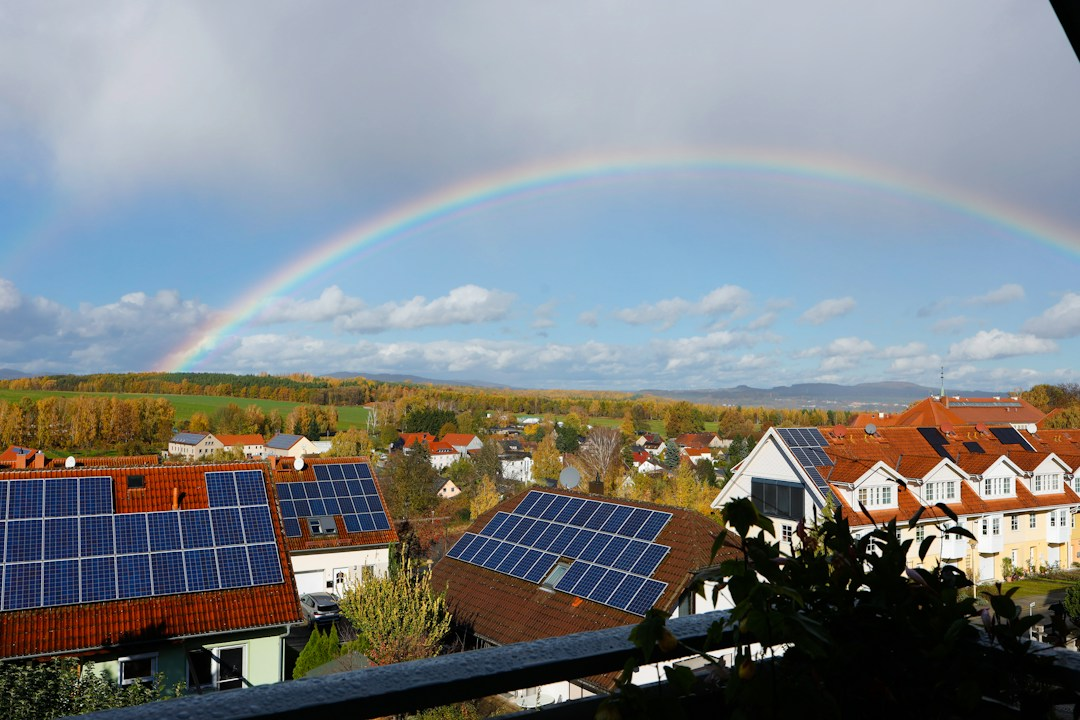
Picture Margaret, a 68-year-old retired school cook in Leeds. Last winter she checked her thermostat every few hours because she couldn’t afford to just leave the heat running. Her pension barely covers rent and groceries, let alone a gas bill that climbs every January. Then her energy supplier called with an unusual offer: free solar panels and a home battery, installed at no cost to her. Six months later, her electricity bill is a fraction of what it used to be, and those free solar battery savings mean she finally stopped rationing the thermostat.
Margaret’s situation lines up with what a new UK pilot just proved with hard numbers, not promises. Octopus Energy and the research group Centre for Net Zero fitted 166 fuel-poor and vulnerable households with free solar-and-battery systems, paid for through the country’s Warm Home Discount program. The households cut their weekly electricity draw from the grid from about 25 kilowatt-hours down to 10, a 60 percent drop. BusinessGreen reported that savings like these can cut some bills by roughly two-thirds, and called it one of the smartest uses of public money in the sector.
That is not a small win. The UK’s existing Warm Home Discount already hands around 6 million eligible households £150 off their winter bill, automatically, once a year. According to that same reporting, households in the new pilot are saving more in a single month than that entire annual discount. A free system on the roof beats a one-time check, every time.
The Numbers Behind the Two-Thirds Drop
The Centre for Net Zero’s own data backs this up. Across the 166 homes, the panels and batteries together avoided nearly 30 tonnes of carbon dioxide a year, about 180 kilograms per household. That’s roughly the same as not driving an average car 450 miles. Several homes even generated more power than they used over the summer, feeding electricity back instead of just saving it.
A larger randomized trial is now underway to confirm the results hold up at scale, so treat the two-thirds figure as promising, not permanent. Still, for a household choosing between heating and eating, even a partial version of that savings changes the math.
Why Free Solar Battery Savings Add Up Beyond One Winter
This pilot sits inside a much bigger plan. The UK government’s £15 billion Warm Homes Plan aims to upgrade up to 5 million homes by 2030 and lift a million families out of fuel poverty for good. Low-income households can qualify for solar-and-battery installs worth £9,000 to £12,000, completely free. The plan also wants to triple the number of UK homes with solar panels and create 180,000 jobs installing and maintaining them.
This isn’t only a British idea, either. The United States tried something similar with the EPA’s $7 billion Solar for All program, built to bring rooftop solar to low-income communities nationwide. Montana’s community solar batteries already show the same pattern works here at home, cutting real bills for real families months after going live. The lesson keeps repeating: put solar and batteries on the roofs of the people who need bill relief most, and the savings show up fast, with cleaner air as a bonus.
If someone in your life is choosing between a warm house and a full fridge this winter, ask your utility or local housing office whether a program like this exists near you. It’s worth five minutes on the phone to find out.