
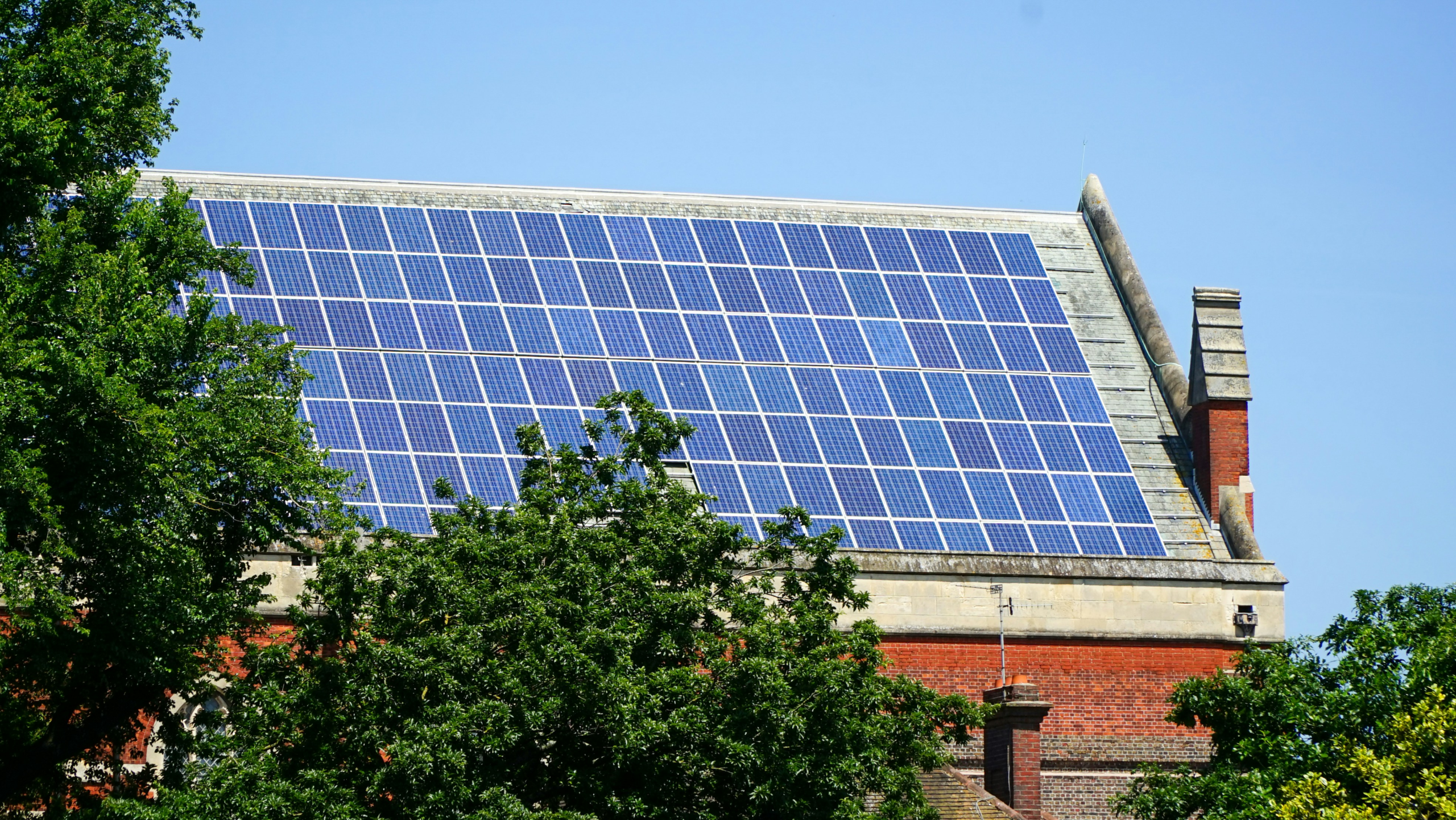
On September 19, 2026, Snohomish County PUD and the City of Everett cut the ribbon on a small community solar array on Casino Road in south Everett, Washington. The project is named “El Sol al Alcance de tus Manos,” or “The Sun at Your Fingertips.” It sits at 1226 W. Casino Rd., next to Walter E. Hall Park, and it produces 400 kilowatts (direct current), enough electricity in a year for about 30 homes, according to the PUD.
Don’t picture a subscription program. Customers don’t sign up for a share of the panels. Instead, the PUD buys the power, and the value goes into the Community Energy Fund, which helps income-qualified customers pay their energy bills. St. Vincent de Paul administers the fund and distributes grants to PUD customers who need bill help. The fund was formerly called Project PRIDE.
PUD Commissioner Julieta Altamirano-Crosby said, “It is about people. It is about access. It is about community.”
In 2024, the PUD said the array was expected to add about $22,000 a year in energy credits to the program. That is a projection, and no report of actual annual revenue turned up. Thirty homes’ worth of power is small. The array serves the fund’s mission, not the wider grid. The Lynnwood Times says a PUD official described high summer load from nearby industry and said the panels ease strain on hot days, though no data measures that.
What it cost and who paid
The Lynnwood Times reports a project cost of roughly $2.5 million, with more than 80% covered by state and federal grants and tax credits. The PUD’s own 2024 construction update put the cost at about $2.2 million, and the coverage doesn’t explain the difference. The largest grant was from the Washington Clean Energy Fund 3 Low-Income Community Solar Deployment Program. The PUD’s project page lists it as $861,814, while its 2024 update listed $878,037.
Beyond the panels
The city built an accessible path linking the Westmont and Holly neighborhoods to the park. Three local artists, Luisana Hernandez, Ruben Trujillo, and Yessica Marquéz, designed an art installation around the array. It includes nearly 1,000 suns and hands made by local youth. Marquéz told the Lynnwood Times, “This is my community. I live here.”
Why It Matters to You
If you’re an income-qualified Snohomish County PUD customer struggling with energy bills, the Community Energy Fund is the part that can help you, and the array adds to what it can pay out. You can’t buy a share of these panels, so other readers won’t see a lower bill from them. The array is built and open now.
Where the numbers get fuzzy
- The fund has paid more than $40,000 in emergency bill help to about 200 income-qualified families, per the Lynnwood Times. That total is for the fund overall. It does not show the array produced that money.
- Project cost and grant amounts differ between PUD documents and press coverage.
- The $22,000 a year in credits is a 2024 projection, not a reported result.
- The summer-strain claim has no supporting data in the sources.
Quick answers
How do I apply for bill help?
St. Vincent de Paul administers the fund. A 2022 report listed 425-374-1243, so confirm the current number with the PUD.
Is it a typical community solar project?
No. Most community solar programs sell subscriptions, and no source describes one here. The Illinois project in our Chicago-area story is an example of that subscription model.
Sources
- Lynnwood Times (via Solar Now): Casino Road solar array puts clean energy and local art within reach (Sep 22, 2026)
- Snohomish County PUD: South Everett Solar Project (accessed Oct 13, 2026)
- American Public Power Association: Snohomish County PUD partners break ground on new community solar project (accessed Oct 13, 2026)
- Snohomish County Tribune: New solar array proposed in South Everett would benefit PUD bill-aid program (Mar 23, 2022)