
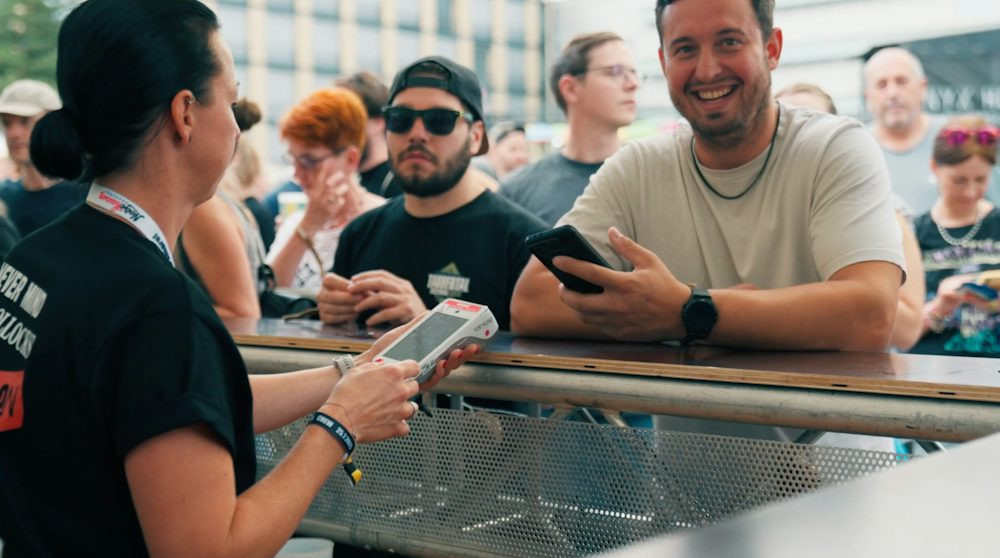
Contractors who get paid through the payroll platform Deel have quietly built up more than $45 million in a dollar-pegged balance since June, money they could hold but mostly couldn’t spend without moving it somewhere else first. On November 24, 2026, Deel closed that gap. The company launched a new Deel stablecoin card, a Visa card that spends directly from a contractor’s DLUSD balance. It’s live today for eligible contractors in 26 markets across Latin America, the Caribbean and Africa, including Brazil, Argentina, Colombia, Kenya and South Africa.
Deel announced the card on its own blog. Stripe and the Tempo blockchain, the two infrastructure partners behind it, published matching posts the same day. Independent outlets including The Defiant, Finextra and Brazilian crypto site BitNotícias covered the launch within hours. “Contractors already use the Deel stablecoin wallet to hold their pay, and since June, they’ve kept over $45 million there,” said Thierry Edde, Deel’s head of crypto, in the announcement. “Today, we’re giving them a way to spend it with the new Deel Card.”
How the New Deel Stablecoin Card Works
Deel built the wallet behind this card in June. That’s when it started letting contractors convert part of their pay into DLUSD, a digital dollar balance designed to track $1. Bridge, a Stripe company, issues DLUSD on Tempo, a payments-focused blockchain. Privy, another Stripe company, holds it in an embedded wallet inside the Deel app. The new card, running on Stripe Issuing, spends straight from that balance instead of requiring a withdrawal to a bank or exchange first. A privacy layer called Tempo Zones keeps individual contractor balances and transactions out of public view, while Deel keeps access for its own reconciliation and audits.
Eligibility is tied to work, not just to holding a balance. A contractor needs an active Deel contract, must be 18 or older, needs a verified Deel account and a verified client, and must live in one of the 26 launch markets. Lead Bank issues the card under a license from Visa, and it’s a member of the FDIC. The stablecoin card runs separately from Deel’s older multi-currency card, which spends in 10 fiat currencies and keeps working unchanged for contractors who already use it.
Standard or Premium
The stablecoin card comes in two versions, per Deel’s launch announcement:
- Standard: no extra cost, up to 0.5% cashback on eligible purchases, ATM withdrawals worldwide, and protection on eligible card spend.
- Premium: a one-time $99 fee for a solid metal card, up to 1.5% cashback, $10,000 in purchase protection, $5,000 in trip cancellation and lost luggage cover, and free global mobile data.
Both versions cap a single payment at $10,000 and work with Apple Pay and Google Pay. A first virtual card is free either way, and Deel says physical cards are coming in the following weeks. On the cashback difference alone, a contractor would need around $9,900 in eligible monthly spending before the extra percentage point on Premium paid for itself. Standard is the safer pick for anyone spending less than that.
Fewer Apps Between Paycheck and Purchase
Before this card, spending DLUSD meant moving it out of Deel first. A contractor in Argentina or Colombia might route it through a withdrawal app and then a currency exchange before it ever reached a card or cash in hand. Deel has said contractors in some of these markets were juggling as many as five separate apps just to get from a paycheck to an actual purchase. The new card collapses that into one step. Tap or swipe, and the purchase comes straight out of the DLUSD balance.
It’s part of a broader pattern this site has tracked this year, as Deel builds out stablecoin options for contractors paid in volatile currencies. The company has also extended DLUSD access to South African freelancers and added USDT payouts through Plasma One. Deel isn’t the only payroll platform chasing this path, either: the payments app miPlata launched a similar Visa card for Latino workers earlier this month.
What We Don’t Know Yet
- Deel hasn’t published the complete list of all 26 launch markets. Brazil, Argentina, Colombia, Kenya and South Africa are named in coverage so far, but the rest aren’t confirmed.
- DLUSD is not a bank account, demand deposit or legal tender, and it isn’t insured by the FDIC, the FSCS or any government deposit insurance scheme, according to Deel’s own disclosures.
- Cashback is described as a promotional incentive, not interest or a guaranteed return, and Deel says rates can change or end.
- Neither Deel’s card page nor the launch announcement spells out a foreign-currency fee or a daily or monthly spending cap beyond the $10,000-per-payment limit.
- The card isn’t open to employees yet, only contractors, and Deel hasn’t given a date for when that changes.
- The card isn’t offered in the US, matching the existing multi-currency Deel Card.
Why It Matters to You
Local currency can lose a fifth of its value in a year, as the Argentine peso has. If you’re a Deel contractor in a country like that, this card helps. It gives you a practical way to hold dollar value and spend it directly, skipping the bank or crypto-exchange detour. That saves time and the small conversion losses that used to come with each extra step. The catch: it only works if you’re in one of the 26 launch markets, you have an active contract on Deel, and you accept that DLUSD carries none of the protections a bank deposit gets.
Worth watching: whether Deel extends the card to the 50-plus other countries where the DLUSD wallet already works. Also worth watching: whether employee access, once it arrives, comes with the same cashback terms contractors get today.
Sources
- Deel: Deel Card, Spend Like a Local with One Card and Multiple Balances (updated Nov. 24, 2026)
- Tempo: Deel contractors can now spend their stablecoin balances with the Deel Card (Nov. 24, 2026)
- Stripe: Stripe powers new Deel Card that lets contractors spend their earnings in stablecoins globally (Nov. 24, 2026)
- BitNotícias: Gigante mundial de tecnologia, Deel, lança cartão com stablecoins no Brasil (Nov. 24, 2026)
- The Defiant: Deel Launches Stablecoin Spending Card in 26 Markets (Nov. 24, 2026)