
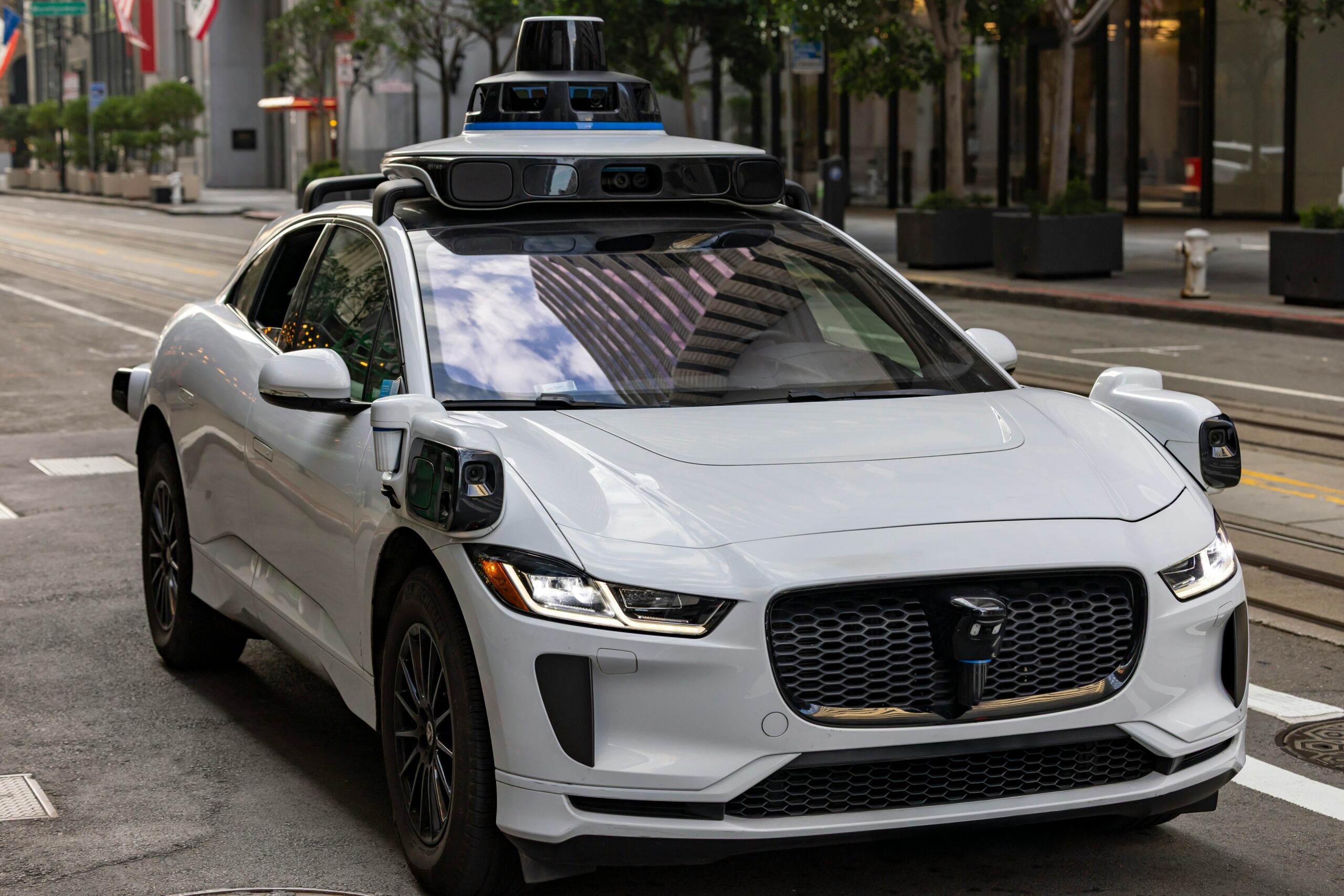
Cox Automotive published its 2026 Autonomous Vehicle Study on September 28, 2026. More Americans know about self-driving cars, and more are open to robotaxis. Few have actually ridden in one.
Nationwide versus cities that have service
The sharpest contrast in the study is geography. Where robotaxis operate, people know about them and ride them far more often.
| Measure | Nationally | In cities with service |
|---|---|---|
| Aware robotaxis exist | 70% | 89% |
| Have ridden a robotaxi | 18% | 33% |
Cox also reports that familiarity with self-driving cars rose from 40% in 2016 to 58% in 2026, and that 55% of Americans are open to using robotaxis. Among people who haven’t used one, 61% cite having no human driver as their main barrier. Cox also notes that Waymo claims about 2 million robotaxi rides per month in the U.S. That is a company figure, which we did not independently confirm.
Vanessa Ton, senior manager of market and customer research at Cox Automotive, said: “The auto industry has always had longer adoption curves for new technologies.” She added that safety concerns and high-profile incidents have slowed progress, “but the growing acceptance of robotaxis seen in this year’s study indicates that attitudes are clearly evolving.”
Why It Matters to You
If you live in a city where robotaxis already run, the survey suggests your neighbors are much more likely to have tried one. If you don’t, the study’s main practical point is access: robotaxis operate only in a limited number of cities, so most Americans can’t ride one yet. As for money, AAA puts the average annual cost of owning and running a new vehicle at $12,863, covering fuel, maintenance, tires, depreciation, finance charges and fees. That is about 15,000 miles a year by our arithmetic. No source here shows how much a robotaxi habit would save any particular household.
Where the survey falls short
The Cox page doesn’t state the survey method or sample size. Those details sit in a linked PDF we could not read, so treat the percentages with care. The data show that riding is more common where service exists. They don’t show that riding changed anyone’s mind. A separate J.D. Power study, published in October 2023, found 47% of riders gained confidence and 2% lost faith, but that is older data from a different survey and isn’t part of the Cox study. And higher trust is not a safety measure. Safety comes from crash data, which Waymo and others report separately.
Quick answers
How many Americans have ridden a robotaxi?
Cox reports 18% nationally and 33% among residents of cities where autonomous services operate.
What holds non-riders back?
Cox says 61% of non-users cite discomfort with having no human driver as their main barrier.
Is this a measure of how safe robotaxis are?
No. It measures opinion and use. Safety needs crash data, which companies and regulators report separately.
How big was the Cox survey?
The summary page doesn’t say. The method is in the full report linked from Cox’s page.
Sources
- Cox Automotive: Autonomous Vehicles Gain Ground as Consumer Familiarity and Robotaxi Use Grow (Sep 28, 2026)
- CBT News: New J.D. Power study reveals most consumers still uneasy about robotaxis (Oct 19, 2023)
- FingerLakes1: AAA estimates new-vehicle ownership costs at $12,863 a year (Sep 15, 2026)