
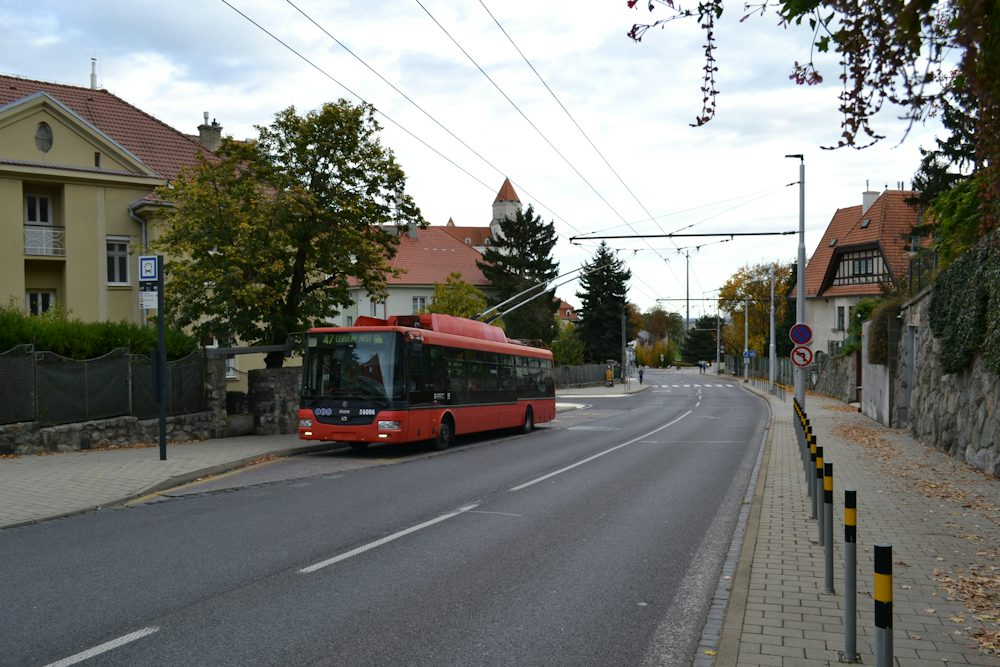
Between October 15, 2025, and the end of last May, cameras on Chicago Transit Authority buses caught 21,686 warnings and violations in a single 19-square-mile patch of the city, per CTA’s own numbers. That’s roughly 100 a day, in one slice of one city, from drivers blocking a bus lane or stop. Chicago just approved more cameras as part of its bus lane camera enforcement push, and Los Angeles turned on its own version this month. Both cities are chasing the same problem: a bus full of people gets stuck behind an illegally parked car, and every rider pays for it in lost time.
At a Glance: Two Cities, Two Camera Programs
| Detail | Chicago (CTA / City of Chicago) | Los Angeles (LADOT) |
|---|---|---|
| Program | Smart Streets pilot, Automated Bus Lane Enforcement (ABLE) cameras | New DASH camera program, tied to LADOT’s partnership with LA Metro |
| Buses equipped | 52 approved, up from 6, per a July 2026 CTA board vote | About 50 DASH buses, per GovTech citing LADOT; not confirmed independently |
| Current status | Expansion board-approved; citywide ordinance cleared committee in October, full vote unconfirmed | Launched, with a 60-day warning-only period starting this month |
| Fine once citations start | Not published by CTA | $293 starting Jan. 2, 2027, per GovTech citing LADOT |
| Funding for this round | $1 million in state transit funds, Chicago’s amended 2026 budget | Not stated in sources reviewed |
| Results so far | 82% of warned drivers never ticketed, per a Council committee chair | LA Metro’s related program logged 10,000+ citations in phase one on 100 buses |
Sources: CTA press releases, Chicago Sun-Times, Metro Magazine, GovTech (see Sources below).
How the Bus-Mounted Cameras Work
Both programs use the same basic idea, even though the hardware comes from different vendors. Chicago’s camera buses carry an onboard processor wired to two windshield-mounted cameras built by Hayden AI Technologies, the company CTA contracted for the job. The cameras flag a vehicle blocking the lane or a stop and send that footage to Hayden AI for a manual human review before anything reaches the city. Chicago’s Department of Finance, not CTA, decides whether a warning turns into an actual ticket. CTA says it plays no role in reviewing footage or issuing citations.
Los Angeles’ setup, run by LADOT on its DASH buses, works the same way in broad strokes: two forward-facing cameras, a human check before a citation goes out, and a payment plan for people who can’t cover a ticket all at once. LADOT General Manager Laura Rubio-Cornejo put the stakes in plain terms, saying a vehicle parked illegally at a bus stop can keep a DASH driver from safely lowering a wheelchair ramp. That’s a concrete safety problem, not an abstract inconvenience.
Chicago’s Expansion Is Real, Citywide Is Still a Plan
CTA’s board voted in July 2026 to grow its bus-camera fleet from 6 buses to 52, funded by $1 million the Regional Transportation Authority approved for the purpose in Chicago’s amended 2026 operating budget. The added cameras cover the #20 Madison, #36 Broadway and #66 Chicago Avenue routes, with the #8 Halsted route to follow once nearby street construction wraps up.
A bigger move is still working its way through City Hall. An ordinance that would let the program grow citywide in phases by January 2028 advanced out of the Council’s Pedestrian and Traffic Safety Committee in October. Under that plan, enforcement would reach north to Foster Avenue and south to Pershing Road in an early phase, then push further out before covering the whole city. As of the reporting available for this story, the ordinance had cleared committee, but a full Council vote wasn’t confirmed. Citywide is still a plan on paper, not something riders can count on yet.
If the city gets there, officials told the Chicago Sun-Times to expect roughly 207,000 violations and $9.4 million in added revenue a year, a projection from the Department of Finance’s Chuck Billow that hasn’t been tested at that scale. The compliance numbers so far are more reassuring than the ticket math. Committee chair Ald. Daniel La Spata said 82% of drivers who got a warning never went on to get an actual ticket, and 62% of people ticketed once weren’t ticketed again. That pattern suggests the cameras change driver behavior rather than just generate fines.
Los Angeles Launches Its Own Bus Lane Camera Program
LADOT’s DASH camera program is live now, in a warning-only period that started this month. According to GovTech’s reporting, which cited LADOT public information director Colin Sweeney, the rollout covers roughly 50 DASH buses serving about 30,000 riders a day across roughly seven miles of bus-only lanes. For the first 60 days, a registered vehicle owner caught on camera gets a mailed warning instead of a bill. Paid citations of $293 begin January 2, 2027, per that same reporting. LADOT’s own published materials reviewed for this story didn’t independently confirm the bus count or the exact fine, so treat those two figures as agency-sourced through GovTech, not verified firsthand.
This isn’t Los Angeles’ first run at the idea. LADOT’s program builds on an existing partnership with LA Metro, which began citing drivers under its own bus lane camera program in February 2025 and expanded it that May, logging more than 10,000 citations in the first phase across 100 Metro buses. Up the coast, Santa Monica’s version, called Automated Bus Lane and Bus Stop Enforcement, has run since September 2025. The city’s own numbers, reported by Metro Magazine, show bus lane parking violations down 52% and bus stop violations down 40% by last spring, compared with the program’s first full month of warnings.
No sign-up. No app. Just fewer cars in the way, if the pattern from Santa Monica holds.
What We Don’t Know Yet
- Whether Chicago’s full Council will pass the citywide ordinance, and on what timeline. Committee approval isn’t a final vote.
- What a Chicago bus lane camera ticket actually costs. CTA’s public releases don’t list a fine amount.
- The exact DASH bus count and the $293 LA fine, both sourced through GovTech rather than confirmed directly on a LADOT page for this story.
- How long either city keeps the footage, who can access it, or whether an outside auditor checks the vendors’ violation calls before a human reviewer does.
- Whether a cheaper fix, like physically protected lanes, would cut blockages as much as cameras and fines. CTA’s own planning chief has said cameras only help if there are enough real bus lanes to enforce in the first place.
Why It Matters to You
- If you ride a CTA bus on Madison, Broadway or Chicago Avenue, or a DASH bus in LA, your commute is exactly what these cameras are built to protect. A bus that isn’t stuck behind a double-parked car gets you to work or an appointment closer to on time.
- You don’t have to do anything to benefit. No app, no account. The cameras ride on buses already running your route.
- If you drive, the warning periods mean no surprise fine the first time. Both programs give registered owners a documented warning before real citations start.
- For riders who use a wheelchair or other mobility device, a clear bus stop can be the difference between a driver safely lowering the ramp and not stopping there at all.
Worth watching over the next few months: whether Chicago’s full City Council actually takes up that citywide ordinance, and how many LA drivers rack up warnings before the $293 fines kick in on January 2. If Chicago’s 82% warning-to-no-repeat rate holds at a citywide scale, these camera programs may end up writing fewer tickets than riders expect, not more.
Sources
- CTA: “Chicago Transit Board Approves Expansion of Automated Bus Lane Enforcement Program” (Jul. 8, 2026)
- CTA: “CTA Moves Ahead with Automated Bus Lane Enforcement” (Mar. 12, 2025)
- Chicago Sun-Times: “Citywide expansion of automated bus, bike lane violation program advances in City Council panel” (Oct. 9, 2026)
- Metro Magazine: “LADOT to Launch Bus-Mounted Camera Enforcement on DASH Buses” (Oct. 29, 2026)
- GovTech: “In Chicago and Los Angeles, Tech Keeps Bus Lanes Clear” (Nov. 11, 2026)