
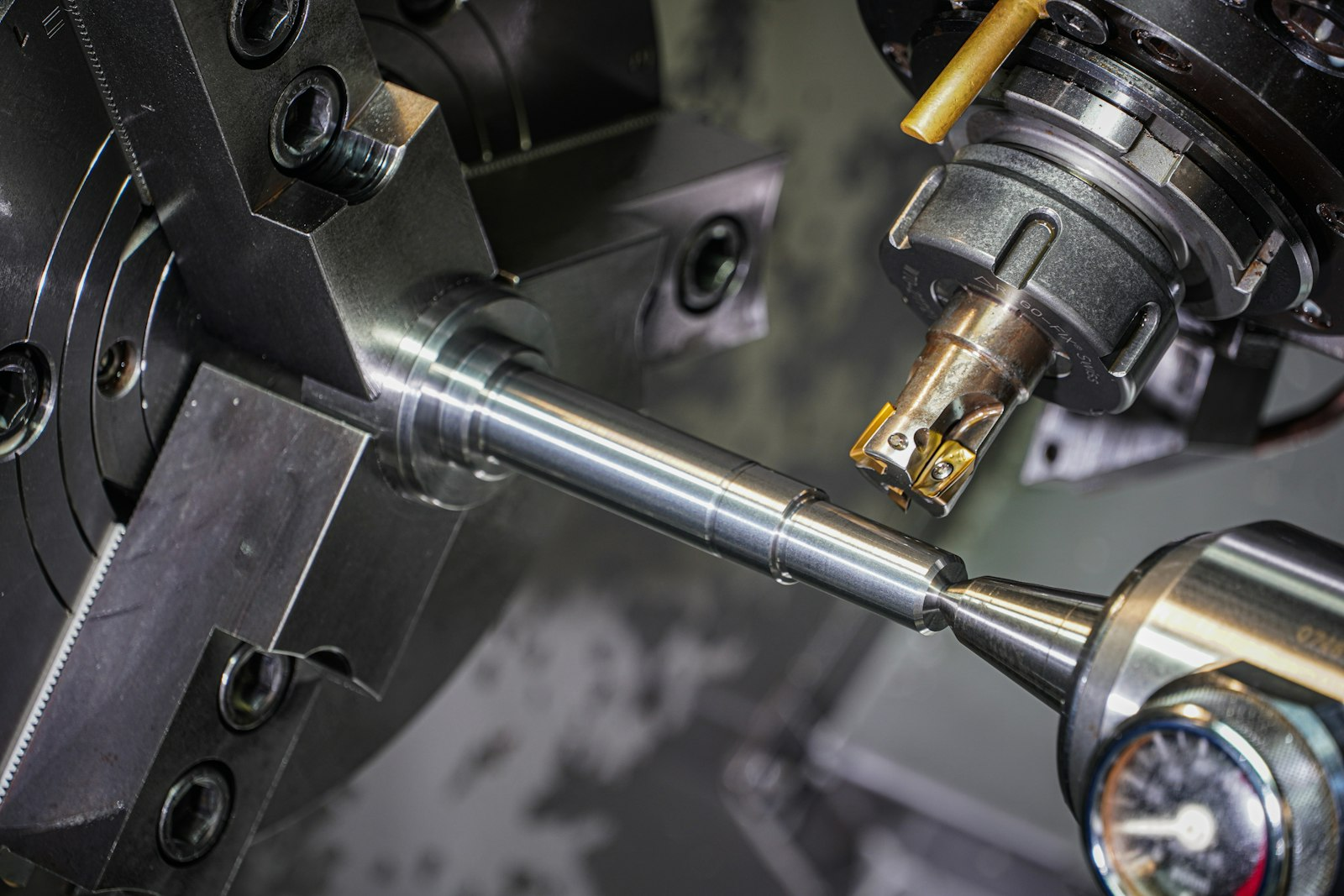
A truck pulled away from a loading dock in Oak Ridge, Tennessee, on October 29, 2026, carrying something the country hasn’t shipped in decades: a brand-new, American-built uranium enrichment centrifuge. Its destination was Piketon, a small village in Pike County, Ohio, where Centrus Energy is pushing ahead with the Piketon centrifuge expansion it announced last year. Centrus confirmed the shipment in a press release that day, and both World Nuclear News and Interesting Engineering reported it the next morning. What’s verified: a factory-built centrifuge left Tennessee for Ohio, on schedule. What’s still unproven: whether the expansion it kicks off actually delivers meaningfully more enriched uranium on the timeline Centrus has set.
Seven Years in the Making
This shipment didn’t come out of nowhere. Centrus built a demonstration cascade of centrifuges at Piketon using components dating back to 2019, and that cascade has been producing High-Assay, Low-Enriched Uranium, or HALEU, since late 2023. In September 2025, the company announced plans for a much bigger build-out. By December 2025, Centrus had restarted centrifuge manufacturing in Oak Ridge. In January 2026, it committed $560 million to modernize that Tennessee plant so it could build centrifuges at a high rate instead of one at a time. In June 2026, the Department of Energy backed the Ohio side of the plan with a task order worth up to $900 million, with government options that could push the total to $1.07 billion. Earlier this month, Centrus closed its acquisition of Westerman Holdings, a supplier of centrifuge casings it needed to keep the pipeline moving. Friday’s shipment is the first physical proof that pipeline actually works, and it’s part of what we’ve tracked all year as the broader state of the US nuclear fuel supply chain.
Why a Home-Built Centrifuge Is a Bigger Deal Than It Sounds
Centrifuges themselves aren’t exotic. Gas centrifuge enrichment has powered reactors for fifty years. What’s rare is building the machines inside the United States at all. Centrus says its Oak Ridge plant is the only advanced centrifuge manufacturing facility in the country running technology that’s actually proven and de-risked; every competing centrifuge design in commercial use today, the company says, is built overseas. That matters because the expanded Piketon plant isn’t making just one product. Centrus lists three uses for the enriched uranium it plans to produce there: low-enriched uranium for the reactor fleet already running today, HALEU for the next wave of advanced and small modular reactors, and enrichment to meet national security needs.
HALEU, enriched to between 5 and 20 percent uranium-235, is the fuel many of those next-generation reactor designs need, and the United States still has no commercial domestic source of it at real scale. That shortage is one reason advanced reactor developers keep pushing back their own in-service dates. Centrus is betting the expanded supply will be worth having well before it exists: the company has already signed a multi-year HALEU supply deal with microreactor developer Radiant, one of several contracts lining up ahead of capacity that isn’t built yet.
The Piketon Centrifuge Expansion, by the Numbers
| Detail | Figure |
|---|---|
| Centrifuge manufacturing site | Oak Ridge, Tennessee |
| Expansion site | Piketon, Pike County, Ohio |
| Existing cascade producing HALEU since | Late 2023 |
| Oak Ridge modernization investment | $560 million (announced Jan. 2026) |
| DOE task order for Piketon expansion | Up to $900 million, options to $1.07 billion |
| Tennessee state funding used | $70 million (state Nuclear Energy Fund) |
| Estimated construction jobs | About 1,000 (Ohio) |
| New operating jobs (Ohio, per World Nuclear News) | About 300 |
| Existing jobs retained | 150 (at Piketon) |
| First new enrichment capacity online | 2029 (company target) |
Source: Centrus Energy press release (Oct. 29, 2026) and World Nuclear News (Oct. 30, 2026).
What We Don’t Know Yet
- Centrus’s own release quotes Oak Ridge Mayor Warren Gooch citing “nearly 430 new jobs,” while World Nuclear News reports about 300 new operating jobs tied to the Ohio expansion specifically. Neither source reconciles the gap, and it isn’t clear whether Gooch’s figure folds in Tennessee manufacturing jobs, contractors, or a different count entirely.
- Centrus hasn’t said how many centrifuges it plans to install at Piketon, or what total enrichment capacity, in separative work units, the finished expansion will reach.
- Neither the company nor the independent coverage says what the expanded plant’s enriched uranium will cost, or how that compares with buying it elsewhere.
- The 2029 target is Centrus’s own. The original American Centrifuge Plant at this same site was supposed to reach full commercial scale by 2012; the Department of Energy halted that version of the project in 2015. A shipped centrifuge is not yet installed, operating capacity.
- No regulator or independent body has confirmed the shipped unit performs as designed once it’s actually running cascades at Piketon.
Who Benefits and How
This is a supply-chain story first, which means most readers won’t feel it directly, or soon. The clearest beneficiaries are the construction and operating jobs Centrus says the expansion will eventually support in Pike County, plus whatever its Tennessee hiring adds around Oak Ridge. Picture a machinist in Piketon, we’ll call her Denise, an illustrative example and not a real person, who spent a decade doing contract work near the mothballed plant before Centrus reopened manufacturing there. A job like hers is the kind this expansion is built to create, assuming the schedule holds.
The wider benefit is slower and less certain. If Piketon actually produces more HALEU by 2029, that’s fuel the companies racing to build small modular reactors have been waiting on. Several of those developers have already slipped their own timelines partly because domestic HALEU supply hasn’t existed at commercial scale. More fuel sooner could mean more of those reactors, the ones utilities are counting on to add power without waiting a decade for a conventional plant, actually get built closer to the schedule their backers have promised. None of that is guaranteed by one truck leaving one loading dock. It depends on everything in the table above happening on time.
Watch 2029. That’s the year Centrus says new capacity comes online in Ohio, and it’s also the year a lot of advanced reactor developers’ own fuel assumptions run out of slack. If Piketon’s cascades aren’t actually running by then, this week’s shipment will read like a press-release milestone instead of the turning point Centrus is selling it as.
Sources
- Centrus Energy: Centrus Begins Shipping Centrifuges to Ohio to Support Major Expansion of Uranium Enrichment Capacity (press release via SEC filing, Oct. 29, 2026)
- World Nuclear News: Centrus ships first centrifuge for Piketon plant expansion (Oct. 30, 2026)
- Interesting Engineering: US ships first home-built centrifuge to boost nuclear fuel supply for next-gen reactors (Oct. 30, 2026)