
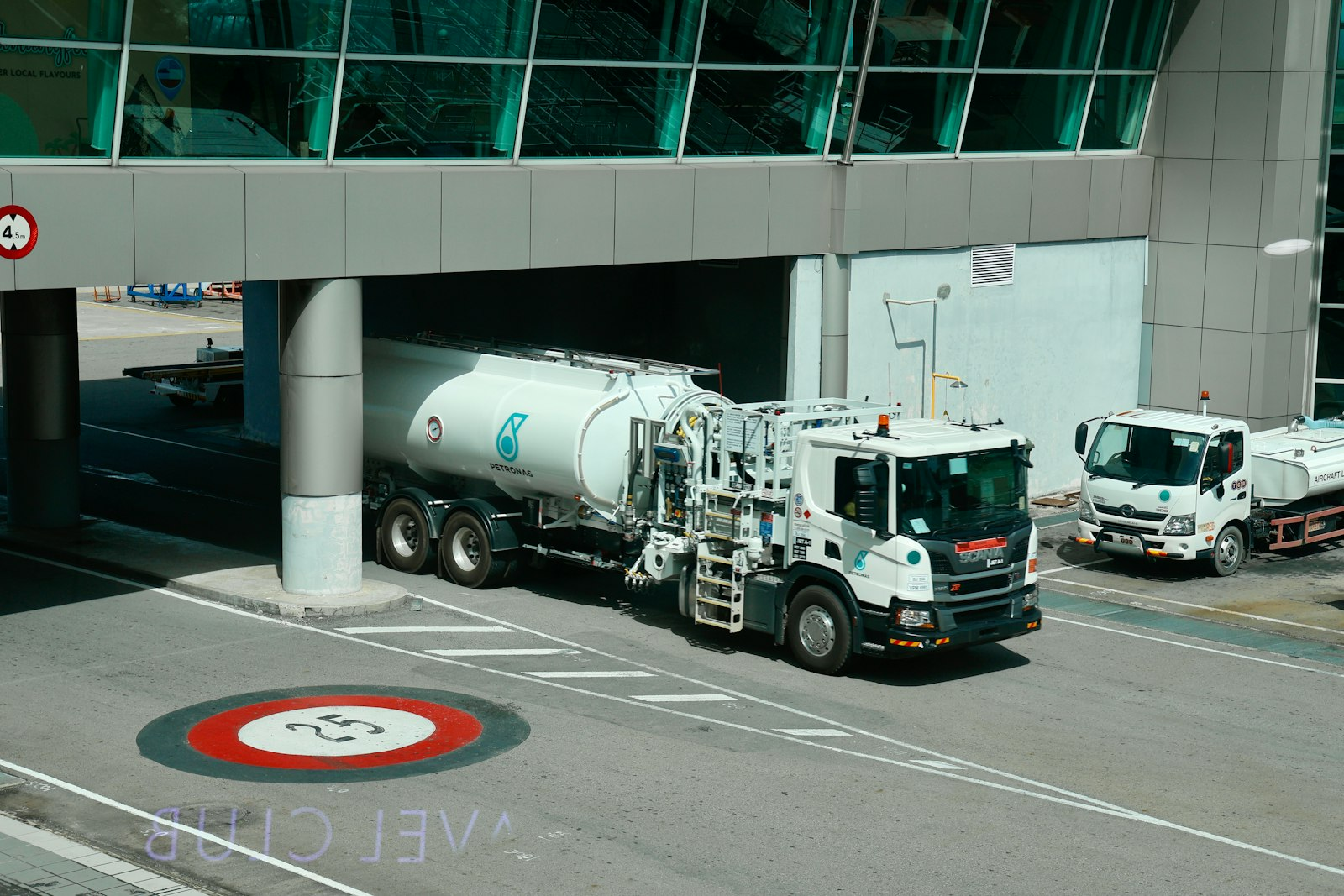
On September 30, 2026, the Cardano Foundation announced two research applications built with Petrobras, the Brazilian state-controlled oil company, and Ledger Labs at PUC-Rio, a Brazilian university. One tool covers sustainable aviation fuel (SAF) and is called CS-SAF. The other tracks Diesel R, Petrobras’ partly renewable diesel. Cointelegraph reported the news the same day. The work is at the research and development stage.
What each tool does
CS-SAF tokenizes the environmental attributes of SAF. It follows a book-and-claim model, so the environmental benefit can be assigned to an airline, company, or passenger even if the physical fuel is used somewhere else. The tokens are designed to stop the same claim from being used more than once. Token metadata is aligned with CORSIA, the international aviation carbon offsetting scheme. Passengers can claim CS-SAF tokens through an app and receive a certificate tied to their journey.
Diesel R creates digital checkpoints for the production, transport, and use of the fuel. The Cardano Foundation says the data could support Scope 3 reporting, which covers indirect emissions across a company’s value chain.
The collaboration began with blockchain education for Petrobras staff in 2023 and expanded to energy-sector research with PUC-Rio in 2025, per Cointelegraph.
What holds up and what doesn’t
| Works well | Be careful |
|---|---|
| A token ledger can stop one token from being claimed twice. | It cannot prove the underlying fuel was produced and blended as stated. That still depends on audits and data entry at the source. |
| A shared ledger gives all parties one record of who claimed what. | This is a research collaboration announced by the Cardano Foundation. We found no independent evaluation and no statement from Petrobras in the sources we opened. |
| Diesel R checkpoints could support Scope 3 reporting, per the Foundation. | No fuel volumes, customers, or launch date are public, so the pilot’s scale is unknown. |
Verdict: the design addresses double counting, which is a real bookkeeping problem for book-and-claim fuel, but it leaves the harder question of whether the fuel is what it says it is. The Cardano Foundation gave no volumes and no timeline for wider deployment, so there is little yet to judge.
Who Benefits and How
The direct audience is airlines, fuel buyers, and companies that report indirect emissions, who would get a record of who claimed an environmental benefit. Passengers may eventually claim CS-SAF tokens through an app and receive a journey certificate, but this is research only, not a product you can use today. No source says it would lower a ticket price or a fuel bill, and we do not claim that either.
Common questions
Is this in commercial use? No source says so. Cointelegraph describes it as ongoing research, with no commercial rollout.
What is book and claim, and why a blockchain? Book and claim separates the environmental benefit of a fuel from the physical fuel, so a buyer can claim the benefit while the fuel is used elsewhere. A registry must stop the benefit from being claimed twice. The Cardano Foundation says marking a token as used on a shared ledger prevents a second claim.
Will it lower my ticket price or fuel bill? No source makes that claim.
Sources
- Cointelegraph: Brazil’s Petrobras Uses Cardano to Track Sustainable Aviation Fuel and Renewable Diesel (Sep 30, 2026)