
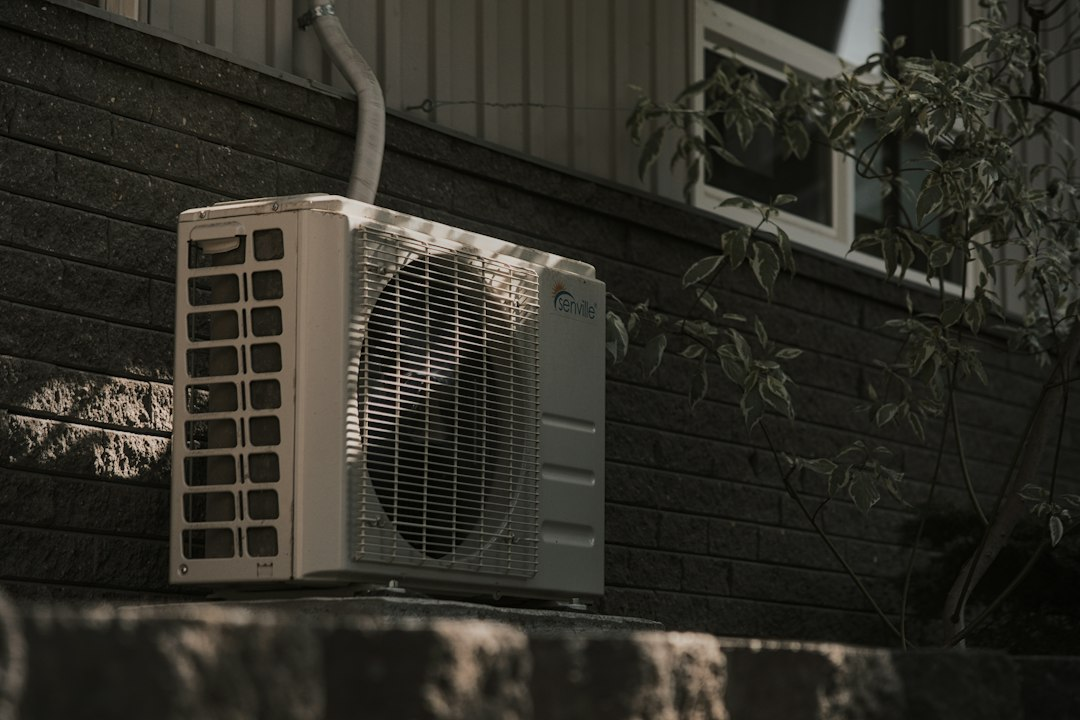
Seven million Canadian households still heat with oil, propane, or electric baseboards. Every one of those systems burns through money all winter. Canada’s new heat pump rebate is meant to change that math for good.
On October 8, 2026, Prime Minister Mark Carney stood in Sherbrooke, Quebec, and announced a $2 billion plan to help. The program targets about one million home retrofits. Fully rolled out, Ottawa says the switch will save households more than $1 billion a year combined, per the Prime Minister’s Office and CTV News.
How Canada’s Heat Pump Rebate Works
The rebate splits into two tiers based on income. Households earning below the national median can get up to $10,000 toward a new electric heat pump. Everyone else qualifies for $2,000. Both amounts stack on top of whatever a province already offers.
What sets this apart from past rebate efforts:
- No energy audit before or after installation.
- Approval within 24 hours of applying online.
- Installation about as fast as a replacement furnace, often the same week.
- Reimbursement by direct deposit within five days of uploading a receipt.
Speed matters here. More than 80% of Canadians replace a heating system right after a breakdown, not on their own schedule. Nobody comparison-shops for a climate-friendly upgrade when the basement hits 10 degrees overnight.
Why This Saves Real Families Real Money
Picture Denis, a retired millwright living alone in a farmhouse outside Trois-Rivieres. His oil furnace has limped along for three winters. Before this rebate, a January breakdown would push him straight back toward another oil unit, the only option he could afford on short notice. Now he can get a heat pump installed just as fast, and pocket up to $10,000.
Ottawa estimates households heating with oil or electric baseboards will save about $1,400 a year once they switch. That is real grocery money, or a cushion against next winter’s rate hikes.
Renters are not left out. The program pairs with CMHC and the Canada Infrastructure Bank to retrofit 280,000 apartment units over eight years. Think of Priya, who rents in Mississauga and has no say over her building’s aging boiler. Programs like this push landlords to modernize without dumping the cost onto her rent.
“Canada strong starts in a warm home,” Carney said at the announcement.
The Bigger Climate Payoff
Ottawa projects these retrofits will cut emissions by more than 25 megatonnes, roughly the same as pulling 8.5 million cars off the road for a year. That math works because about 80% of Canada’s electricity already comes from hydro, wind, and nuclear. Swap oil or propane for a heat pump, and you plug into a grid that is already mostly clean.
Other places are chasing similar wins. New York committed $1 billion to free heat pumps and cheaper solar, and a Vermont gas utility started paying for geothermal heating instead of new gas lines. Canada’s plan is bigger, but the logic is the same: subsidizing the switch now costs less than subsidizing fossil fuel heating forever.
What to Watch Before You Apply
The application portal is not live yet. Carney’s government aims to launch it in early 2027 and is still deciding whether early adopters can claim the rebate retroactively. The Logic flagged a real tension worth watching: the same government pushing electrification at home also promotes oil and gas exports abroad. Fair question for a local MP.
If your furnace is still limping along, resist the urge to panic-buy a replacement. Wait for the portal, check what your province already offers, and let the two programs stack. That $10,000 will be there when you need it most, probably on the coldest night of the year.