
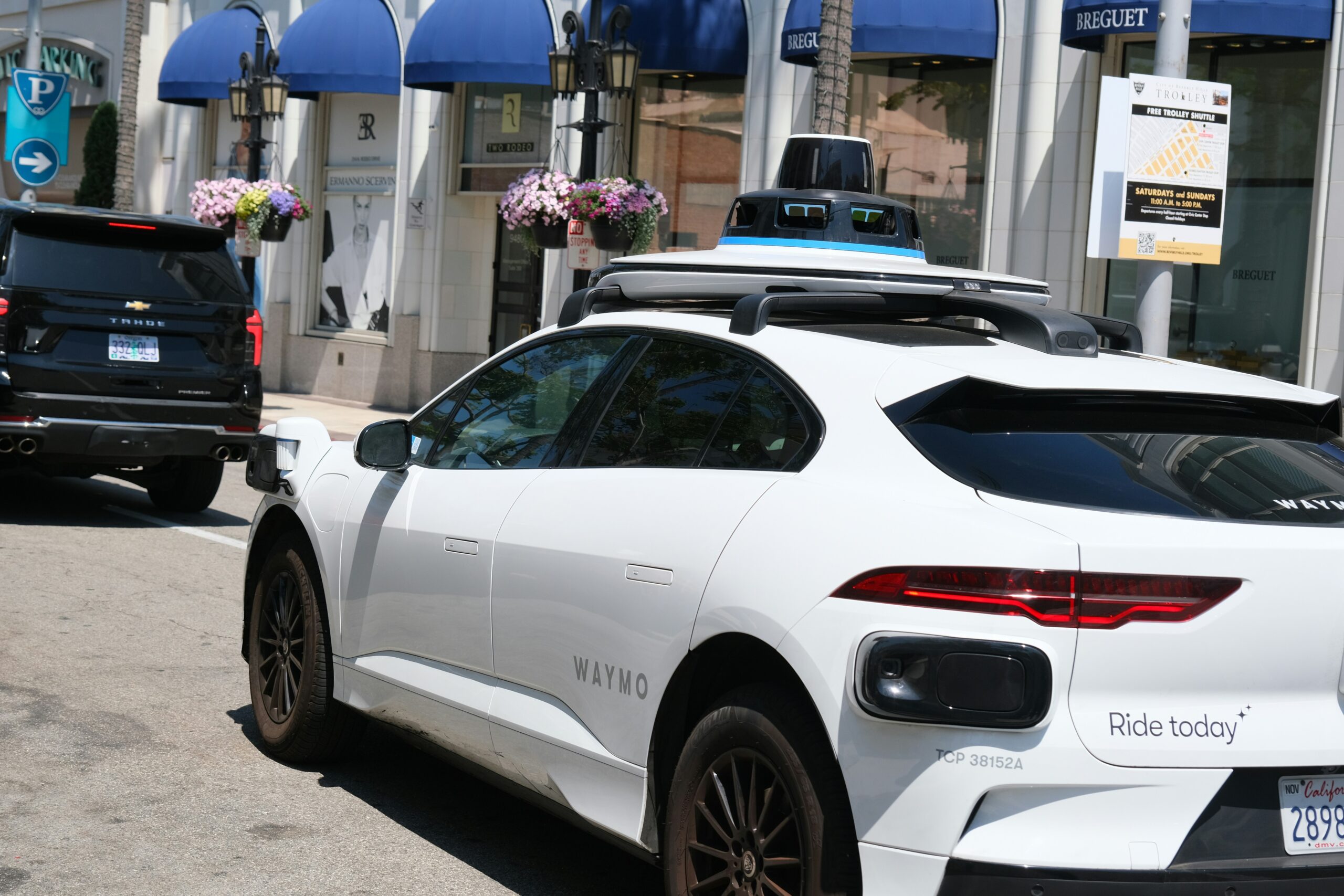
Six out of ten flood deaths in the United States happen inside a car. In Texas, vehicles are involved in 58% of all flood fatalities recorded since 1959, an average of nine lives lost every year. That grim math explains why Waymo’s flood safety overhaul in San Antonio matters. It teaches a robotaxi something a lot of human drivers still get wrong. It also means an entire fleet just came back online after a five-month timeout.
A Car Swept Away, and a Fleet Pulled Off the Road
In April 2026, an empty Waymo vehicle drove onto a flooded stretch of Interstate 35 near Salado Creek, one of the most flood-prone crossings in San Antonio. The car slowed down but didn’t stop in time. Floodwater swept it away. Nobody was hurt, because nobody was inside. Still, Waymo issued a recall in May, pulled its cars off flood-prone routes, and eventually paused San Antonio service entirely while engineers rebuilt how the software handles water.
Inside Waymo’s Flood Safety Fix
On September 17, five months after the pause began, Waymo brought its robotaxis back to San Antonio with a different playbook. The update includes:
- Software that spots standing water and steers around it instead of driving through
- A citywide audit of flood-prone streets, with hard location limits in the riskiest spots
- Live weather monitoring pulled from the National Weather Service, so cars react before a street floods, not after
- Adjusted alerts that flag heavy rain early enough for a car to reroute on its own
Robert Chen, Waymo’s product lead for weather, described it this way:
“We look forward to earning the trust of San Antonians as they experience the magic of Waymo rides once again.”
Local coverage from KSAT reported the fleet now covers roughly 60 miles of the city, including trips to San Antonio International Airport.
What a Flood-Smart Robotaxi Is Actually Worth to You
Here’s the part that matters if you’ve never thought twice about a flooded street: humans are bad at judging them. Six inches of moving water can stall a car. Two feet can float one away. Drivers misjudge flooded roads every year, sometimes fatally, and far more often at the cost of a totaled vehicle and a monthslong insurance claim.
Picture Priya, a night-shift ER nurse in San Antonio who doesn’t own a car and rides Waymo home most mornings. A flash flood watch used to mean standing outside the hospital, exhausted. She’d have to decide whether it was safe to drive home through standing water. Now that judgment call belongs to a car that won’t drive into the water in the first place. That’s real peace of mind, not a marketing line. And it costs her nothing extra.
The Bigger Picture
This Waymo flood safety update isn’t only a San Antonio story. TechCrunch reports that Waymo now runs paid service in 15 U.S. cities, including its recently launched rides in Las Vegas and its expansion plans in Tokyo. Flash flooding isn’t a Texas-only problem either. It hits Phoenix monsoons, Miami downpours, and plenty of towns in between. If this flood logic rolls out fleet-wide, as Waymo’s language suggests, riders well beyond San Antonio benefit too. They get a car that treats a flooded intersection the way every driver’s ed class says to: don’t.
Next time a flash flood warning buzzes on your phone, ask whoever’s driving you home, human or robot, what they actually know about the road ahead. In San Antonio, the robot’s answer just got a lot better.