
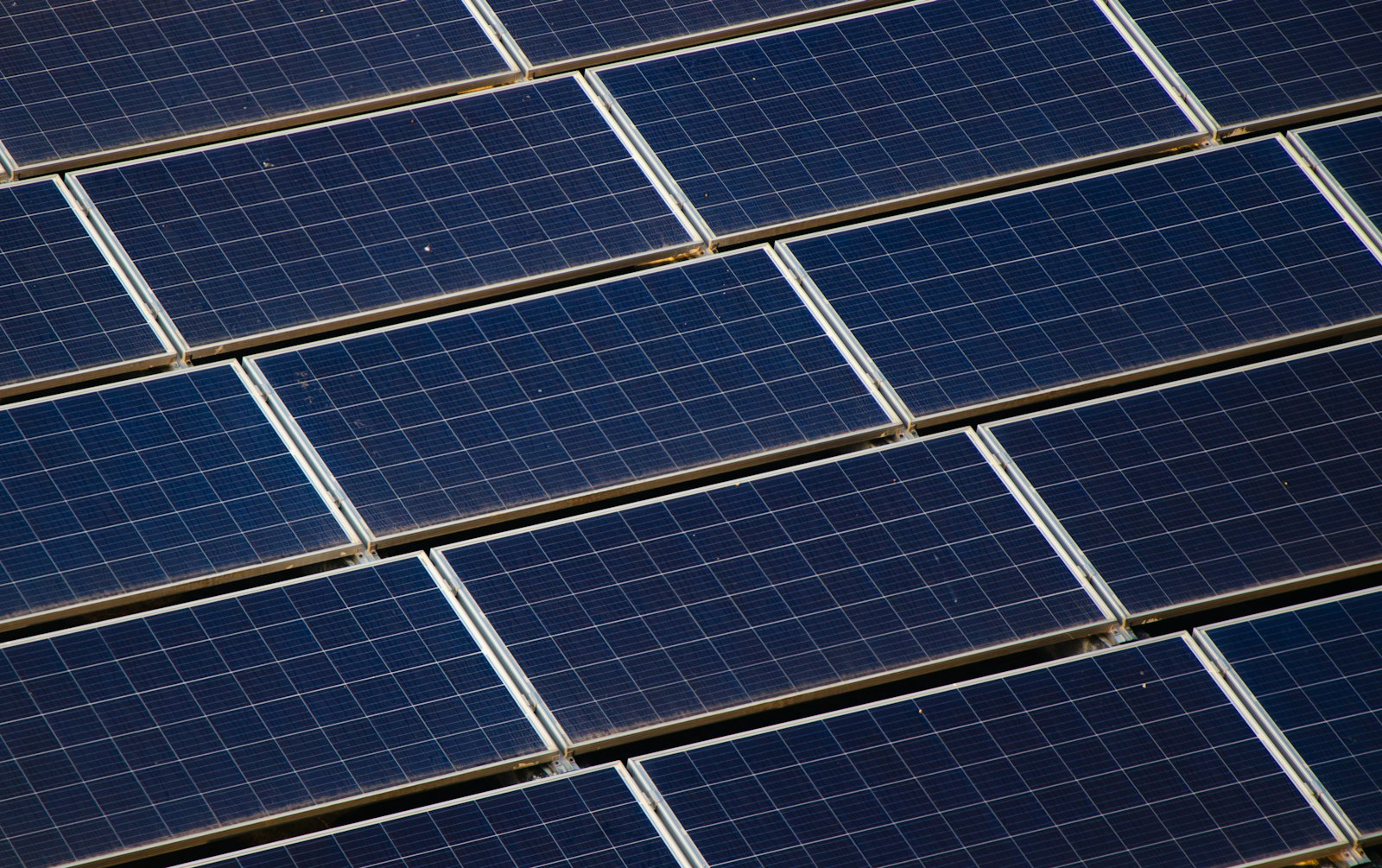
California has enough rooftop and utility-scale solar installed to cover roughly 14.7 million homes, according to industry figures cited by the California Product Stewardship Council. That number keeps climbing every year. But almost nobody talks about the other side of that math: solar panels don’t last forever, and the state still doesn’t have an easy, widely available solar panel recycling system for the ones that quit.
Butte County, California, just opened one small, real answer. Working with the nonprofit California Product Stewardship Council, or CPSC, the county’s public works department is running a free solar panel recycling pilot this month at the Neal Road Recycling and Waste Facility in Paradise. It’s open to Butte County residents only, it requires an appointment, and it runs on just six days. It’s not a fix for the whole state. But it’s a real, working example of what solar’s end-of-life problem actually looks like at ground level, and what one community is doing about it.
The Hidden Cost of Aging Solar Panels
Most people who go solar think about installation day and maybe their first lower electric bill. Almost nobody thinks about day 25 or 30, when the panel wears out. That’s a design lifespan, not a hard deadline, and CPSC’s own pilot data shows panels often come down well before that: panels removed through its programs statewide have averaged just 10.3 years old.
Here’s the problem once a panel comes off the roof. California’s Department of Toxic Substances Control classifies retired solar panels as universal waste, a category that also covers things like batteries and fluorescent bulbs. That means they can’t just go in a landfill bin or a curbside recycling cart. CPSC’s case studies describe panels piling up in warehouses, garages, job sites, and even illegal dumps, because the state has no dedicated statewide collection system. Some owners try to hide old panels in e-waste bins. Others get turned away at household hazardous waste sites that aren’t equipped to take them.
Cost is a big part of why. CPSC estimates proper disposal runs $20 to $35 per panel when it has to go through hazardous waste channels. For a homeowner with a 20-panel rooftop system, that adds up fast, with no state subsidy to offset it. A CPSC resident survey in Marin County found 67% of people with old panels on hand were just storing them, with no plan. More than half the installers surveyed there told customers nothing at all about what to do when panels reach the end of the line.
How Butte County’s Free Solar Panel Recycling Days Work
Butte County Public Works is running drop-off days on October 15, 16, 22, 23, 29, and 30, 2026, Thursdays and Fridays for the rest of the month, at the Neal Road facility near Paradise. The county funded it with a $50,000 Household Hazardous Waste grant it was awarded in February 2026, according to Action News Now’s report on the program.
- It’s free for Butte County residents, and the panels must have come from inside the county.
- An appointment is required. Residents book through a registration form at surveymonkey.com/r/ButteSolarCollection, and the county confirms the appointment by contacting them directly.
- Each household can submit only one registration, which keeps the limited appointment slots spread across more homes.
It’s a small-scale pilot, not a permanent county service. Neither Butte County nor CPSC says what residents outside the county, or those who miss this round, should do with their panels in the meantime.
Other California Counties Are Trying This Too
Butte County isn’t alone. CPSC runs or supports similar pilots in a handful of other California counties, each shaped around local needs. The approaches differ enough that they’re worth comparing.
| Program | What it offers | Source |
|---|---|---|
| Butte County Public Works | Free residential drop-off by appointment, select days in October 2026 | CPSC, Butte County |
| Zero Waste Marin | Free residential pickup pilot | CPSC |
| StopWaste (Alameda County) | Collection pilot supporting reuse, repair, and recycling | CPSC |
| Zero Waste Sonoma | Free collection events with CalRecycle and Conservation Corps North Bay | CPSC |
Across all of its pilots, CPSC says it has collected 1,646 panels to date. That’s a tiny fraction of what’s eventually coming, but it’s also the start of the data the state needs to build something bigger. CPSC is pushing for an extended producer responsibility law that would put the cost and logistics of end-of-life panels on manufacturers instead of counties and homeowners. It isn’t law yet, and nothing says when, or if, state lawmakers will take it up.
The issue isn’t unique to California, either. A planned recycling plant outside Dallas aims to process a panel a minute by 2027 and recover most of the silver, copper, and glass inside, so the materials problem and the collection problem are both getting attention at once, just from different directions.
What This Pilot Doesn’t Solve Yet
- It only runs six days this month, and only for Butte County residents. If you live anywhere else, this specific program won’t take your panels.
- Neither Butte County nor CPSC’s materials say exactly where the collected panels go next, or what share gets recycled versus reused.
- There’s no word on how many panels organizers expect to collect, or whether the $50,000 grant covers more rounds after October.
- California still has no statewide system. A resident in a county without a program like this is on their own, and CPSC’s own data says most people in that position just store the panels.
Why It Matters to You
- If you’re a Butte County homeowner with an old, broken, or removed solar panel sitting in your garage, this pilot gives you a free, legal way to get rid of it instead of storing it indefinitely or paying hazardous-waste shipping costs.
- If you live anywhere else in the country with aging solar, this is a preview of a decision you’ll likely face eventually: when your panels stop producing, you’ll need somewhere to send them, and that infrastructure is still being built county by county.
- Even if you’ve never had solar, fewer panels in illegal dumps or hidden in regular trash means less of the lead-acid and heavy-metal contamination risk that CPSC and state regulators are trying to get ahead of before the real wave of retirements hits in the next decade.
It’s worth saying plainly: this is a pilot funded by a $50,000 grant, not a long-term guarantee. Anyone outside Butte County should check with their own county’s household hazardous waste program or search CPSC’s site for a similar pilot nearby, since availability changes county by county and updates as more programs launch.
The bigger story here is timing. Solar adoption took off across the US in the 2010s, which means the first big wave of panel retirements is still a few years out, not already here. Programs like Butte County’s are essentially a dry run, built while the volume is still manageable, so that counties, recyclers, and state regulators can work out the logistics before millions of panels need somewhere to go at once. Whether that infrastructure is ready in time is the question worth watching.
Sources
- Action News Now (via Solar Now): Butte County partners with CPSC to offer residential solar panel recycling (Oct 14, 2026)
- Action News Now (via Solar Now): Butte County offers free solar panel drop-off this month (Oct 15, 2026)
- Butte County Public Works: NRRWF Events, solar panel drop-off registration (accessed Oct 17, 2026)
- California Product Stewardship Council: Solar Panel Stewardship (accessed Oct 17, 2026)