
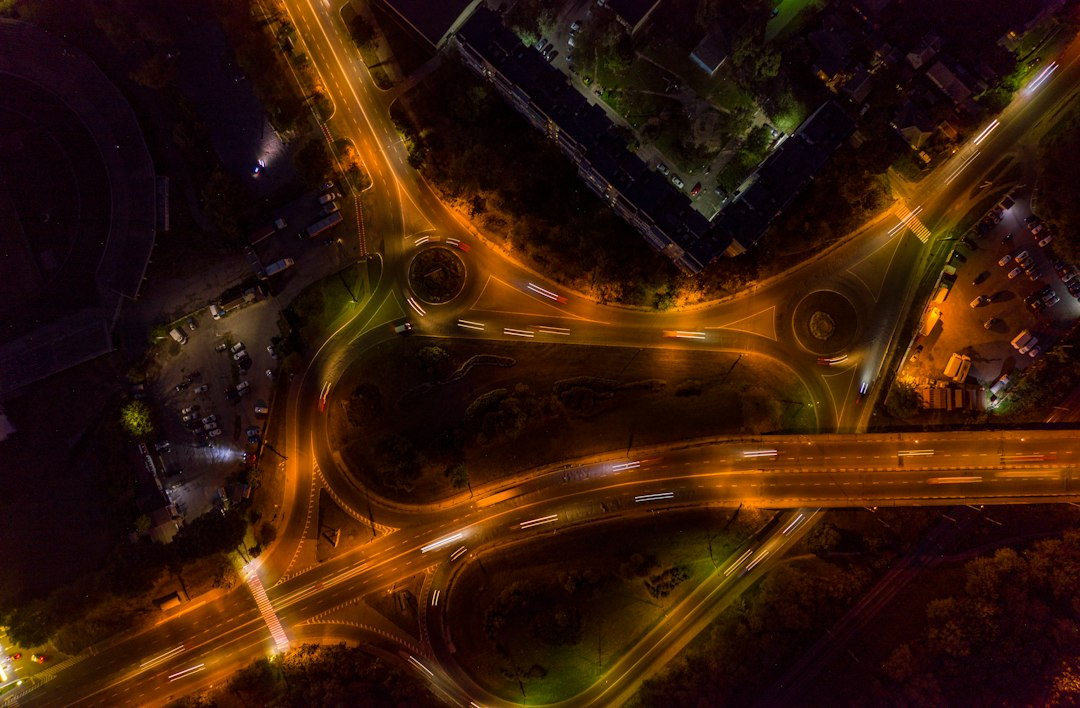
Picture Ji-eun, a nurse finishing a 12-hour night shift in Busan, South Korea. Rain hammers her windshield. She merges onto Suyeong-ro, a road that floods fast once a summer storm rolls through. Busan’s new AI traffic signals and flood sensors exist for exactly this moment, to keep her moving and keep her safe.
The city just finished a $2.1 million project (2.9 billion won) that upgrades 25 intersections along three major roads and adds flood detection at 11 of the most flood-prone crossings in town. Busan’s government confirmed the expansion on September 23, 2026. It sounds like a technical footnote. For drivers like Ji-eun, it’s the difference between a normal drive home and a ruined car.
How Busan’s AI Traffic Signals Actually Help Drivers
Cameras and sensors read live traffic instead of running signals on a fixed clock. When cars back up, the lights adjust. When water starts pooling at a flood-prone intersection, the system flags it right away and sends a warning straight to navigation apps like KakaoNavi, Naver Map, and TMAP. Drivers see the alert before they turn onto the street, not after their tires are already underwater.
The city also started tracking trucks that carry hazardous materials, anything over 10,000 liters of chemicals or 10 tons of waste. That gives emergency crews a head start if one of those vehicles is ever in a crash near a school or a busy neighborhood.
What This Saves You in Real Terms
Early results are already worth caring about:
- Intersection delays dropped 10.1 percent
- Average speeds rose 2.25 kilometers per hour
- Signal violations fell 27 percent
- An earlier pilot cut travel time by 12 percent citywide
Ten percent sounds small until you drive that road every day. Shave ten minutes off a rough commute, and a commuter gets almost an hour back every week. That’s an hour a parent can spend making dinner instead of idling at a red light. Fewer signal violations also means fewer fender benders, fewer insurance claims, and fewer afternoons lost at the body shop.
Then there’s the flood math. A flooded engine can cost a driver $3,000 to $8,000 to repair, sometimes more if the car is totaled. Warn even a handful of drivers away from high water each rainy season, and the safety payoff alone can rival what the entire project cost.
Mayor Jeon Jae-su put it simply:
“We will continue to advance traffic service models that reflect Busan’s traffic conditions and characteristics to create a safe traffic environment that citizens can truly feel.”
A Pattern Worth Watching
Busan isn’t the only city betting on this. Phoenix rolled out its own AI traffic signals and cut commute times by nearly a third. In the United States, the National Weather Service is building a nationwide flash flood warning network for the same basic reason: people need to know about dangerous water before they’re in it, not after.
Busan plans to expand emergency vehicle priority signals citywide by 2027 and add smart freight tracking the same year. If your own city hasn’t looked into adaptive traffic signals or flood sensors, that’s a fair question for the next town hall or city council meeting. The technology already works, and in Busan, it’s already paying for itself.