
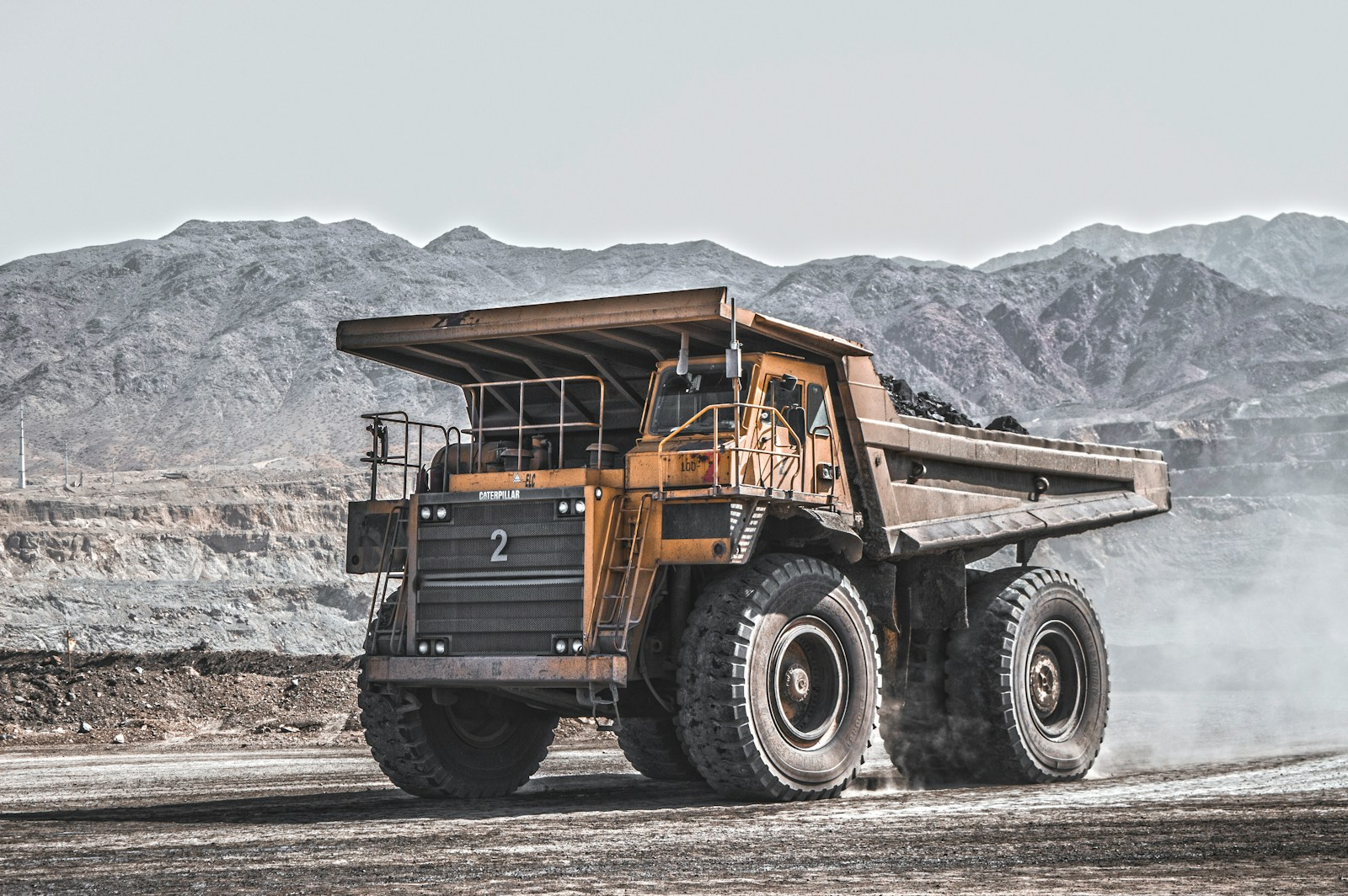
Thirteen of the 33 miners who died on the job in the United States last year were killed by the vehicles meant to help them. Not a cave-in. Not an explosion. A truck. Powered haulage, the industry’s term for trucks and loaders, was the single leading cause of mining deaths in 2025. That is the exact job autonomous haul trucks are now built to take over.
Volvo Autonomous Solutions just gave the industry a real alternative. The company has hauled three million tonnes of rock and ore with autonomous haul trucks, no driver in the cab, in Sweden and Norway. This isn’t a lab demo: it’s three years of trucks working real shifts at a real limestone quarry and a real zinc mine.
Why Autonomous Haul Trucks Change the Safety Math
Haul trucks at a mine are nothing like a car on a highway. Some weigh more than 60 tons loaded, climbing loose, uneven ground, often in the dark, with blind spots big enough to hide a pickup truck. Federal researchers studying these accidents keep finding the same causes: poor visibility, unstable roads, and split-second calls made shift after shift.
Pull the driver out, and you remove the variable that gets tired or distracted. Volvo built these trucks for this job, not adapted from a highway rig, and hit the milestone at Boliden’s Garpenberg site in Sweden and Brønnøy Kalk’s limestone operation in Norway.
“Reaching three million tonnes hauled autonomously is an important milestone that demonstrates the maturity of our autonomous transport solution,” says Ingo Sturmer, Volvo Autonomous Solutions’ chief technology officer.
Picture the Person Whose Job Just Got Safer
Imagine Elin, 54, who has spent three decades driving haul trucks at a Swedish quarry. A loaded descent used to mean watching her mirrors and trusting the brakes on sixty tons of rock. Her job looks different now. She sits in a control room, watching a fleet of driverless trucks move that same rock, and steps in only when a judgment call needs a person. She still earns her paycheck, and no longer bets her safety on a brake line every shift.
What the Switch Is Worth in Dollars, Not Just Lives
The National Safety Council puts the average cost of one workplace death at $1.54 million, counting wages, medical bills, and lost output. Every haul truck fatality a mine avoids saves real money on top of a life. Powered haulage caused 13 U.S. mining deaths last year alone, and regulators have noticed. The Mine Safety and Health Administration has spent the past year pushing operators to fix these hazards.
There is a quieter payoff too. A mine that skips constant shift changes can move more rock with the same crew, savings that show up in the price of steel, cement, and more.
- 2023: Volvo launches its autonomous hauling pilot with Boliden and Brønnøy Kalk
- 2025: The fleet crosses 1 million tonnes hauled
- Summer 2026: The fleet crosses 3 million tonnes, with zero safety incidents tied to the autonomous trucks reported so far
This fits a pattern. Kodiak’s driverless freight trucks already run the Dallas-Houston lane without a safety driver, and Waymo’s own crash data shows a similar safety gap between its robotaxis and human drivers. Put a machine in the seat where people get hurt most, and the numbers keep landing the same way.
Mining has lagged other industries on safety tech: retrofitting a working quarry costs money, and nobody wanted to go first. Volvo just handed the industry three years of proof that this works. How many more mines decide the most dangerous seat on site does not need a person in it at all?