
Frank is 78 and has lived alone since his wife passed two years ago. Most days, the quiet stretches from breakfast until his daughter calls in the evening. He forgets a pill some mornings. He misses a birthday reminder some weeks. Eighteen Labs built a device with people like Frank in mind: Ato, a screen-free AI companion for older adults. This week the company opened preorders for its redesigned device, and the Ato AI companion already shows what a genuinely useful everyday AI tool looks like.
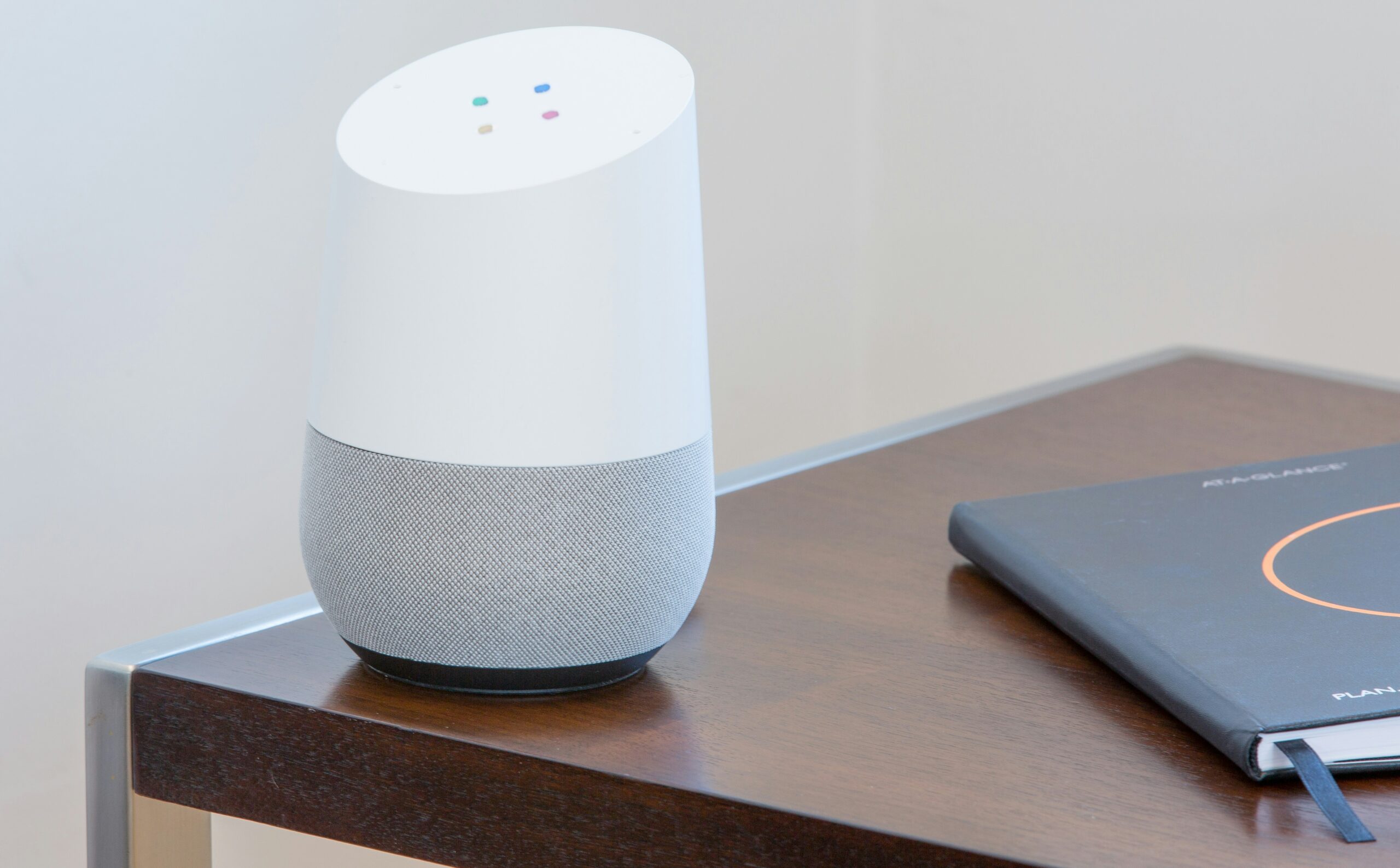
Ato skips the screen entirely. It sits on a table like a small speaker and talks. Frank asks it a question, tells it about his day, or asks it to call his daughter, and it answers in natural conversation. There are no apps to open, no passwords to remember, and no tiny text to squint at.
What the Ato AI Companion Actually Does
The device handles more than twenty everyday tasks. A short list gives you the range:
- Reminds you to take medication on schedule
- Reads out upcoming appointments before you forget them
- Searches the web and reads back weather, news, or sports scores
- Plays music and streams more than 30,000 radio stations
- Runs simple brain games to keep the mind active during the day
Family members get a companion app that lets them send messages, set reminders, and check in remotely. Frank’s daughter never needs him to touch a phone. That two-way link separates Ato from a plain smart speaker. It supports a relationship, not just commands.
Why This Saves Real Time and Worry
Caregivers spend hours every week on the same routine. They make reminder calls. They run wellness check-ins. They track whether Mom or Dad took medicine on schedule. Ato automates that routine. Its activity reports give families the same peace of mind automatically, without a phone call or a spreadsheet.
That kind of quiet monitoring matters. Family caregiving already eats into people’s paid work and personal time. Devices like Luffu Link’s caregiving band tackle the same problem from the wearable side. Ato takes the conversational route instead. For someone who finds screens frustrating, talking may be the easier habit to keep.
Independence Beyond the Living Room
Staying independent isn’t only about what happens at home. Getting around safely matters just as much. Services like Waymo’s expanding robotaxi service in Tampa now target older riders who no longer want to drive. Pair a voice companion that manages the day with a ride that shows up on its own, and aging in place starts to look a lot less isolating. Google has made a similar bet on voice doing the heavy lifting, most recently with new Gemini Live voice features built into Gmail, Docs, and Keep.
Ato ships to early preorder customers in December. Founder pricing starts at $99 plus a monthly membership. It won’t replace a caregiver. But it removes real work from families’ plates: the daily grind of reminders, check-ins, and simple company. Expect more companies to chase this same idea, because screens are not the only way to bring older adults back online. You can read more about the Ato launch here.