
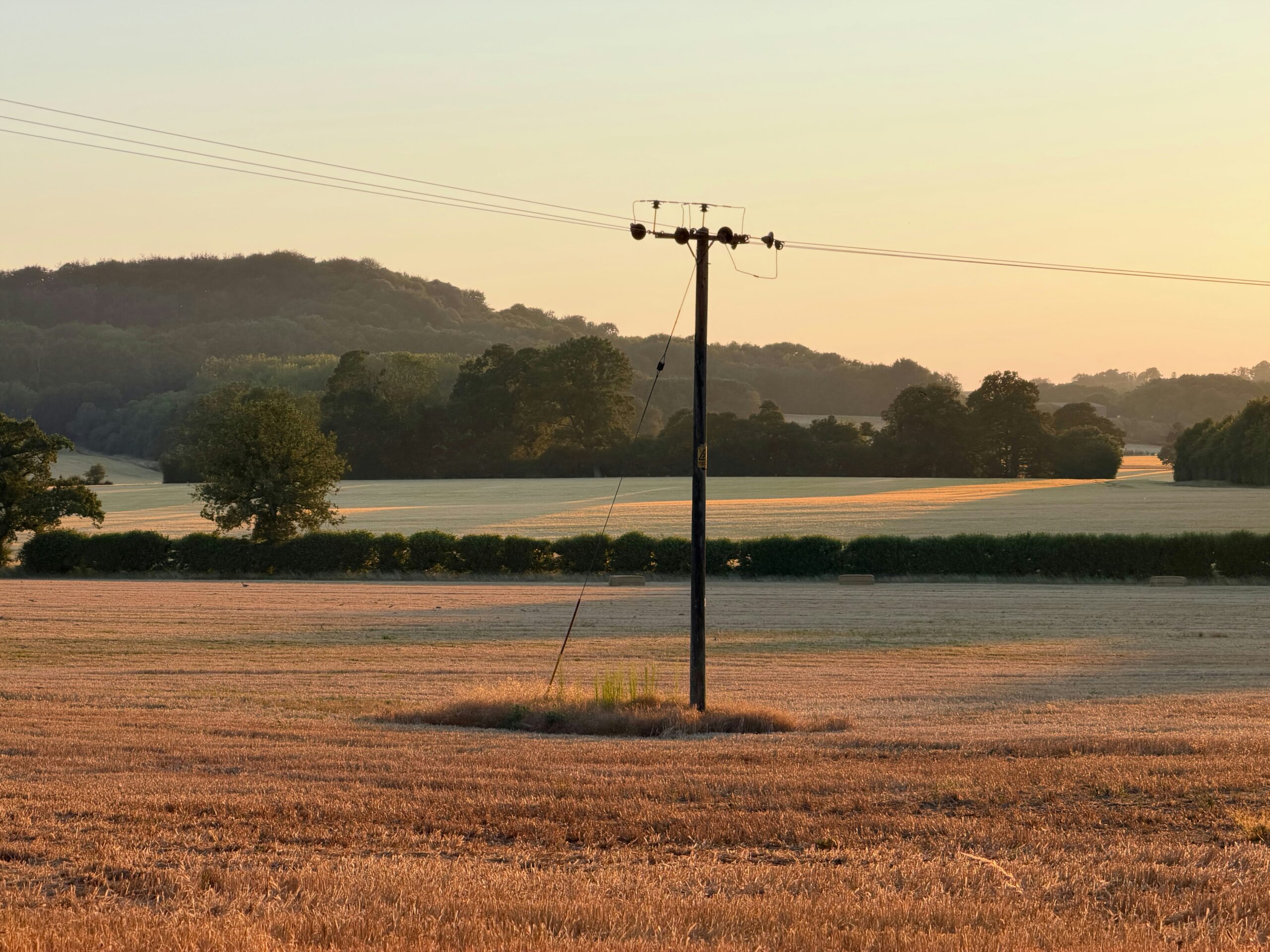
Nearly two out of every hundred homes in Alberta still can’t get reliable high-speed internet in 2026. For city dwellers, that number barely registers. For a family on a gravel road outside Swan Hills, it’s a much bigger deal. It’s the gap between a doctor’s visit done from the kitchen table and a two-hour round trip into town.
That gap just narrowed. On September 15, Canada and Alberta announced a joint $24.8-million Alberta rural broadband investment. It will connect 1,833 households to high-speed internet, including families in Swan Hills, Buck Lake, and several other communities. You can read the full announcement from the two governments here.
Why This Alberta Rural Broadband Deal Matters Now
This isn’t a one-off grant. It’s the latest piece of a $780-million partnership between the two governments, launched back in 2022. So far, that partnership has funded 82 projects across the province. Twenty-one are already finished, connecting more than 20,600 households. Another 46 are under construction right now, with more in the planning stage.
Picture Denise, a grandmother in Buck Lake who watches her grandkids most weekdays while her son drives long-haul freight routes. For three years, she’s paid roughly $150 a month for satellite internet that freezes mid-video-call. Her grandson’s homework portal times out before he can finish an assignment. New fiber service means she can finally trade that bill, and that daily frustration, for a connection that actually holds still.
What Changes on the Ground
- Telehealth that actually works. A video visit that used to freeze now means skipping a 90-minute drive to the nearest clinic. That trip used to cost $30 to $50 in gas alone, plus a half day away from work or family.
- Small businesses get a real storefront. A home-based bakery or repair shop can finally take orders and payments online instead of relying only on word of mouth.
- Kids stop losing homework to buffering. Rural students can submit assignments and join virtual classes without racing a spotty connection.
- Emergency calls get through. A reliable line means a call or text to 911 doesn’t depend on which way the wind is blowing that day.
None of this shows up on a balance sheet, but it adds up fast for a household. Skip two clinic trips a month and you’ve saved a tank of gas and half a workday, every single month.
Alberta Isn’t Fighting This Battle Alone
Rural connectivity gaps aren’t unique to Alberta. West Virginia’s own broadband expansion reached ten rural counties earlier this month. Canada’s telecom regulator keeps opening new funding rounds too, through its national Broadband Fund, to chip away at the same problem nationwide.
“No matter where Albertans live, they should have access to reliable, high-speed internet,” said Nate Glubish, Alberta’s Minister of Technology and Innovation.
The national numbers back up the urgency behind that quote.
| Milestone | Households with high-speed access |
|---|---|
| 2014 (Canada) | 79% |
| 2026, today (Canada / Alberta) | 97.4% / 98.1% |
| 2030 goal (Canada) | 100% |
Getting from 98 percent to 100 percent is the hardest, most expensive stretch of any infrastructure project. Ask any crew that’s strung cable to a farmhouse at the end of a ten-kilometer road. But for the 1,833 households on this list, the math is simple. Less driving. Lower bills. A real shot at seeing a doctor, or running a business, without leaving the kitchen table.
If your own rural pocket is still waiting its turn, check your province’s broadband map and find out when your area comes up next. It’s a five-minute search that could save you a decade of dial-up-speed patience.