
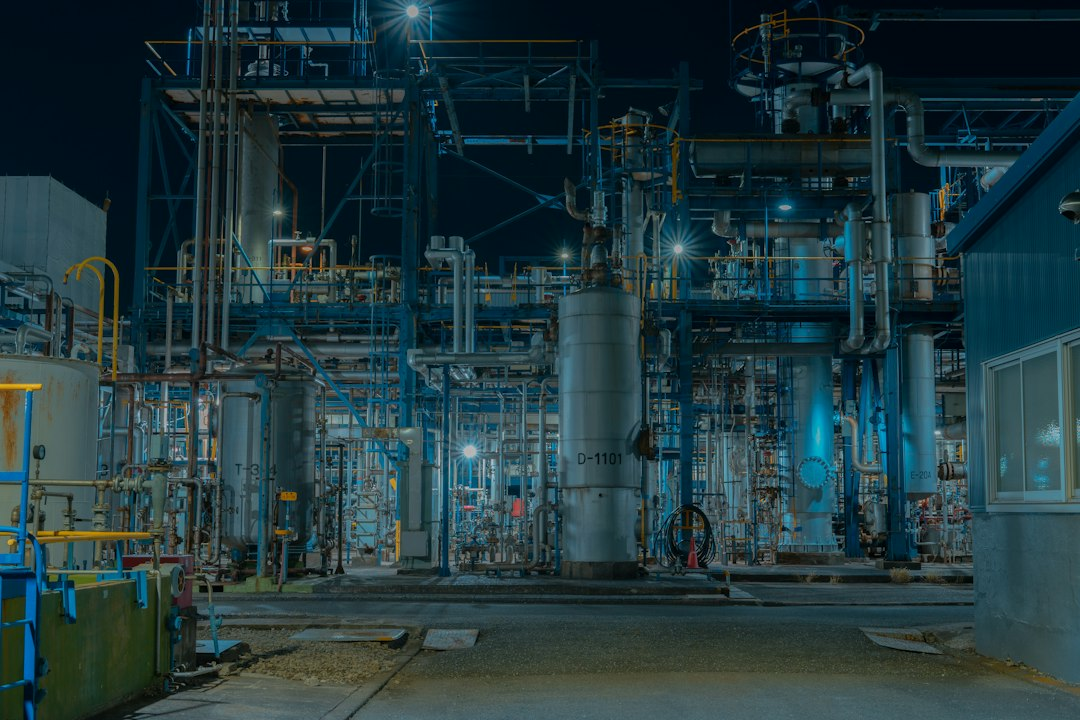
One-tenth of an inch doesn’t sound like nuclear technology. But it’s the size of an AI nuclear waste cleanup fix that just pushed a South Carolina plant past its own design limits. Engineers found it by pointing artificial intelligence at operating data, and it’s now moving millions of extra gallons of radioactive waste out of aging tanks.
How an AI Nuclear Waste Cleanup Fix Beat Five Years of Testing
The Salt Waste Processing Facility, known as SWPF, sits at the Savannah River Site in Aiken, South Carolina. Its job sounds simple. Pull cesium and other radioactive elements out of millions of gallons of liquid waste left over from Cold War plutonium production. That waste sits in aging underground tanks, and the faster SWPF processes it, the sooner those tanks empty out for good.
Engineers at Savannah River Mission Completion ran the plant’s operating data through AI-powered analysis tools. The software sorted through nearly endless combinations of settings and zeroed in on one small part: a ring called a weir, tucked inside the machines that spin liquid waste apart by density.
Workers widened that weir’s inner diameter by one-tenth of an inch. Nothing else changed.
“A seemingly miniscule change is helping us move millions of additional gallons,” said Thomas Burns Jr., president of Savannah River Mission Completion, in a company announcement.
SWPF senior director Ryan Lentsch said finding this fix through ordinary trial and error would have taken about five years, according to reporting from the American Nuclear Society. AI got there in months.
The Numbers Behind the Fix
- Design rate: 21.6 gallons per minute. New rate: 23 gallons per minute, about 106 percent of what the plant was built to handle.
- Before the fix: 17 million gallons processed in almost six years of operation.
- After the fix: more than 3 million gallons processed in just five months.
Why a Faster Cleanup Means Real Savings for You
This isn’t just a story about one plant in South Carolina. Every year those old waste tanks stay full is a year of leak risk for the land and water nearby, and a year of federal cleanup spending that taxpayers nationwide help cover.
Picture a school nurse in Aiken County who has lived fifteen miles from the site her whole life. Her grandparents worried about those same tanks back in the 1980s. Now she can point to a fix smaller than a paperclip that’s helping empty them out faster than anyone expected.
The dollars add up, too. A March 2026 government watchdog report found Department of Energy cleanup costs have climbed by roughly $75 billion since 2022. A fix that moves more waste without new buildings, staff, or equipment is a rare line item headed the other way. Shaving even one year off a cleanup schedule keeps hundreds of millions of dollars from being spent on a half-finished project. The International Atomic Energy Agency has documented similar AI and robotics gains reshaping decommissioning worldwide.
What to Watch Next
The Energy Department runs similar tank farms at sites like Hanford in Washington state, where cleanup has dragged on for decades. If this AI-driven approach scales, engineers there could find their own version of the tenth-inch fix. Older power reactors are getting similar smart-tech treatment, too: our earlier look at Limerick’s digital safety upgrade shows the same pattern of modernizing what’s already built instead of waiting years for something new.
Watch whether the Energy Department runs this same AI analysis at its other tank farms next. If Savannah River is any guide, the next big cleanup win is already sitting inside data nobody’s finished looking at yet.