
Dana pulls into her driveway in West Haven, Connecticut, just before 1 a.m. after a twelve-hour hospital shift. She’s asleep by 1:30. Then a modified exhaust roars down Ocean Avenue, and she’s staring at the ceiling again. West Haven’s new noise cameras are built to catch exactly that kind of driver, and the mayor says the fix could be running within weeks.
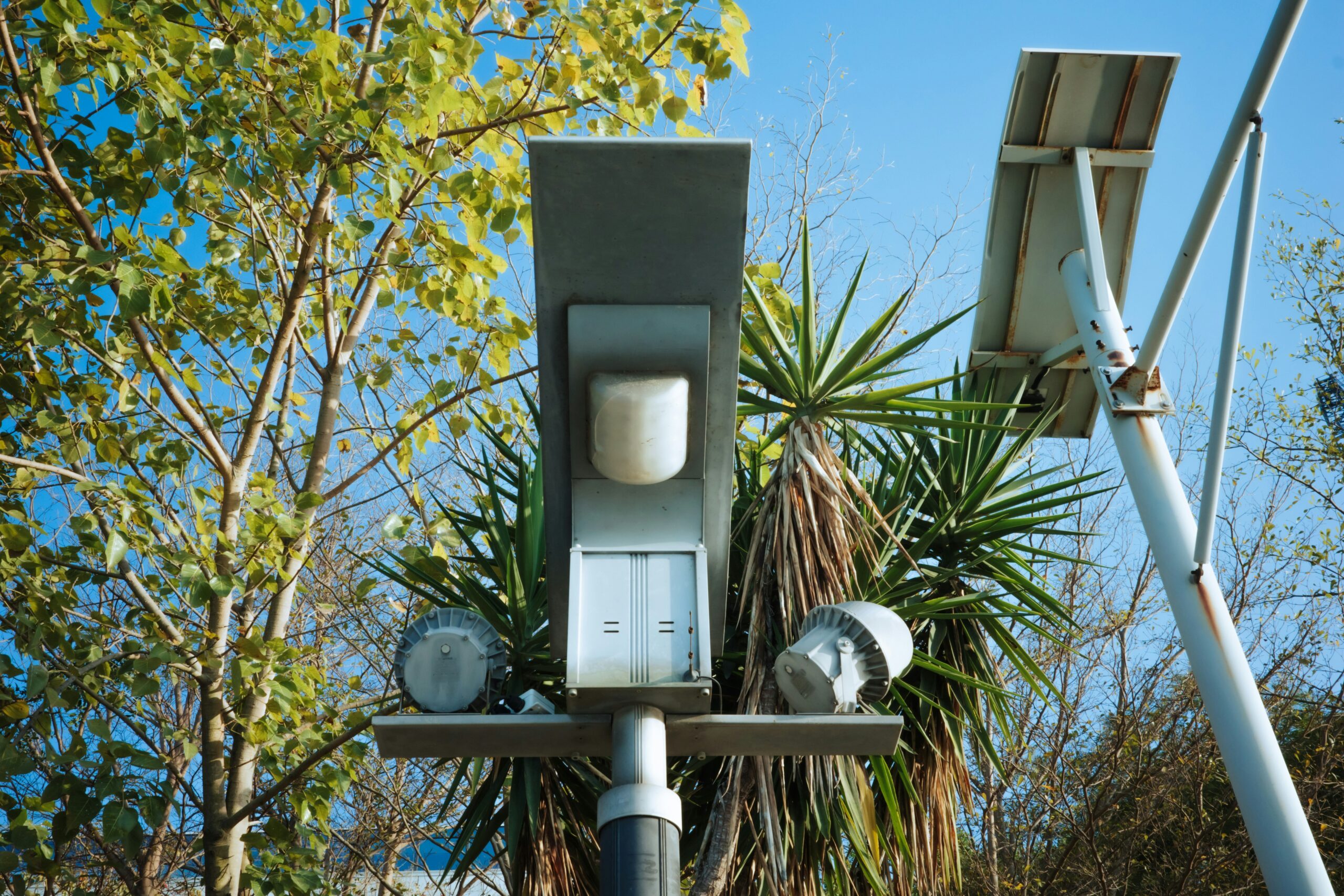
City officials say complaints from that stretch of shoreline pile up every summer. Until now, there wasn’t much anyone could do about a car that’s already gone by the time you dial the police. West Haven bought four acoustic sensors from a company called AXIS Audio Analytics and wired them into the license-plate cameras the city already owns from Rekor. When a car blows past the noise threshold, the system photographs the plate automatically and emails the violation to police for review. One unit is already up on Ocean Avenue, with three more headed to Beach Street and First Avenue in the coming weeks.
How West Haven’s Noise Cameras Actually Work
The setup is simpler than it sounds. Instead of buying a whole new surveillance network, the city bolted a microphone onto cameras that were already watching the road for speeding and red-light violations. Mayor Dorinda Borer says she expects the system to be running within a month. The city is still working out exactly how loud is too loud before a ticket goes out.
Borer explained why the shoreline came first:
“The focus right now is really our shoreline. That is where we get the most complaints. We want people to come by our shoreline and enjoy it, but this is a residential neighborhood.”
Why Reusing Old Hardware Actually Saves Taxpayers Money
Here’s the part that matters even if you’ve never set foot in West Haven. Building a noise-enforcement network from scratch usually means new cameras, new poles, and new wiring. That kind of project typically runs into six figures. West Haven skipped most of that bill by adding sensors to cameras it already paid for. It’s a quiet budget win that won’t make headlines, but it’s the kind of decision that keeps property taxes from creeping up every time a city wants better public safety tools.
The payoff goes beyond not getting woken up at 1 a.m. The European Environment Agency has linked long-term traffic noise to roughly 12,000 premature deaths a year in Europe, plus chronic sleep disruption for 6.5 million people. Quieter streets aren’t a luxury. They’re a public health tool with a real price tag attached, whether that shows up in medical bills, lost sleep, or a kid who can’t concentrate at school because a moped rattled the windows at 2 a.m.
West Haven Isn’t the First to Try This
New York City has run a similar pilot since 2022 and has issued more than 200 tickets for modified mufflers and excessive honking, with fines ranging from $800 to $2,500. Connecticut lawmakers opened the door for any town to try this back in 2024. Neighboring Wethersfield is already watching West Haven’s rollout closely. Brian O’Connor of the Connecticut Conference of Municipalities called noise cameras “a better opportunity to enforce noise ordinances” that police have struggled with for years. It’s the same instinct that pushed Jackson Hole’s wildfire cameras and Maine’s AI 911 dispatch tool into service: make the infrastructure you already own work harder instead of asking residents to pay for something new.
If your town has a noise problem nobody can pin down, this is worth raising at the next council meeting. Ask whether the cameras your city already paid for could do double duty. The fix you need might already be bolted to a pole down the street.