
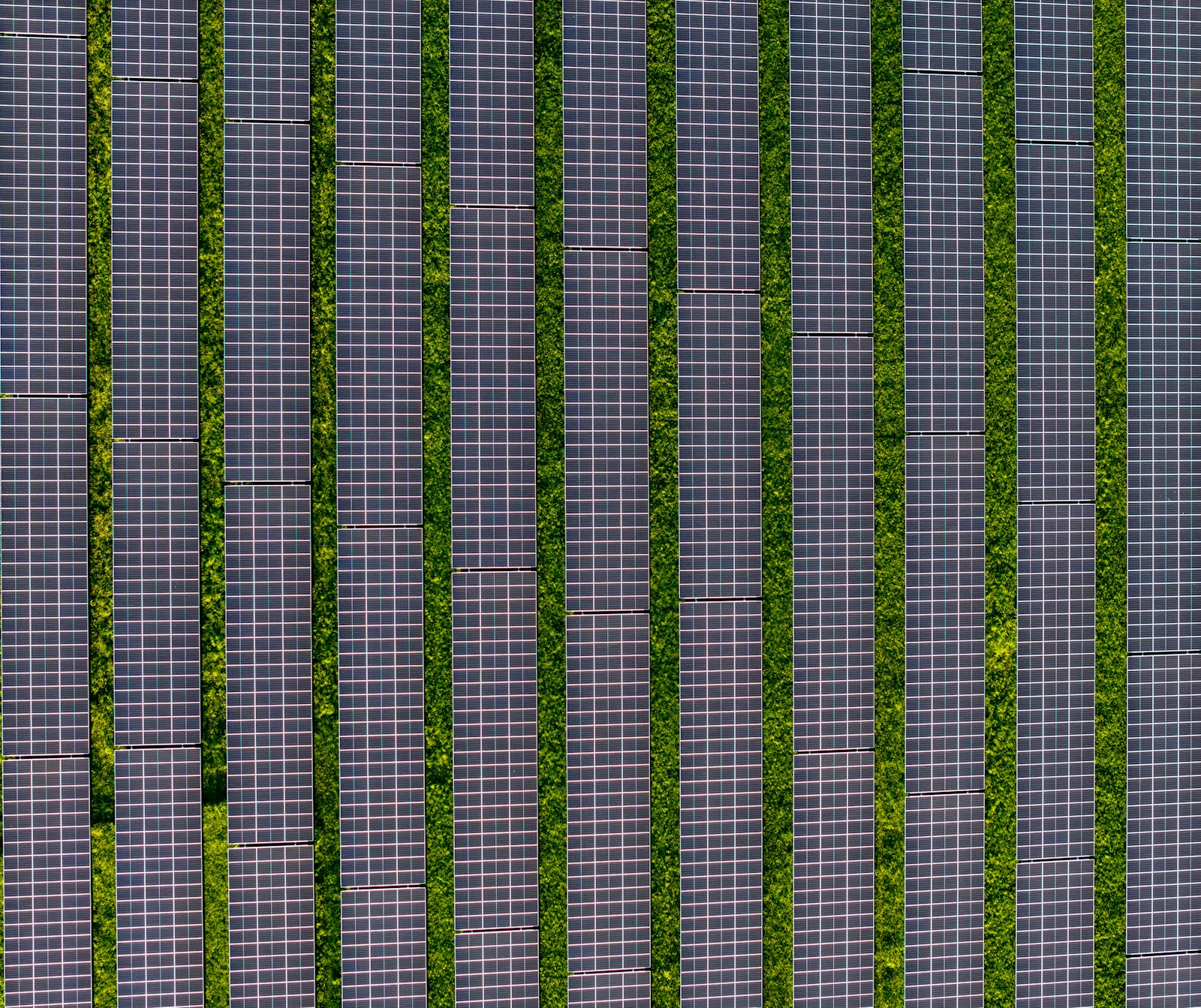
Voorhees Township, New Jersey plans to turn a capped landfill into a community solar farm. As of mid-August 2026, the array is approved but not built.
The site is a 35-acre former landfill on Centennial Boulevard. According to the Philadelphia Inquirer, it stopped operating in 1972 and the township acquired it five years later. The developer, Voorhees Solar LLC, is owned by Pegasus Cos. Inc., a wireless and broadband provider based in Bala Cynwyd, Pennsylvania. It plans solar panels on about 13.5 acres, roughly half the property.
The array would produce about 4 megawatts at full power. The Inquirer reports that is enough for up to 4,000 typical households. The township planning board approved the development plans in July 2026, and the final panel layout will be set before construction. The developer did not comment on cost or schedule.
Why a landfill? Township Administrator Stephen Steglik put it bluntly:
“We can’t build a park or redevelop it with homes.”
A capped landfill is hard to turn into a park or housing, so solar is one of the few productive uses left. The township expects nearly $900,000 in one-time land lease fees, and Steglik said 51 percent of the energy would go to low- and moderate-income households.
How New Jersey community solar works
Community solar lets customers who can’t put panels on their own roof share the output of a nearby array. Renters, people with shaded roofs, and apartment residents are the main targets. Subscribers receive credits on their electric bill. They install nothing and keep their utility service.
New Jersey’s program covers customers of PSE&G, JCP&L, Atlantic City Electric, and Rockland Electric. The state reserves most of the power for low- and moderate-income households. Eligible project types include rooftops, canopies, landfills, contaminated sites, and floating solar.
The program figures the Inquirer reported: 209 projects totaling 291 MW are operating, and 392 projects totaling 703 MW are in development or construction. More than 51,000 households subscribe, and net savings since 2021 total more than $18 million across all subscribers combined.
Why It Matters to You
If you rent, live in an apartment or have a shaded roof in New Jersey, community solar is a way to get bill credits without installing panels, and the Voorhees project is meant to reserve 51 percent of its energy for low- and moderate-income households. It isn’t built, though, and no sign-up date or per-subscriber discount has been published. The Inquirer also reports that most existing New Jersey projects are already full, so openings may be limited.
What we don’t know yet
- The Voorhees array is approved, not built. No construction date, cost, or sign-up date has been published.
- The $18 million is net savings across the whole state program since 2021. It isn’t a Voorhees figure, and the sources don’t give an average per household.
- “Up to 4,000 households” describes the size of the array. Subscribers get bill credits, and the sources don’t say how the household figure was calculated.
- The 51 percent share comes from the township administrator. Final subscription terms will come from the developer and state rules.
- No per-subscriber discount has been published for this project, so there is no figure for how much electric bills would fall.
Quick answers
Is the Voorhees landfill solar farm built?
No. The planning board approved the development plans in July 2026. As of the Inquirer’s Aug. 17 report, the developer had not shared a construction schedule.
Who can subscribe, and how much will they save?
New Jersey’s program serves customers of four utilities, and most capacity is reserved for low- and moderate-income households. The township says 51 percent of Voorhees output is reserved that way. Enrollment details have not been announced, so check with the developer and the state program once sign-up opens. The sources do not say how much subscribers will save. Statewide, the program reports more than $18 million in net savings for more than 51,000 subscribing households since 2021.
Sources
- The Philadelphia Inquirer: Voorhees landfill community solar report (Aug 17, 2026)
- The Cool Down: Voorhees Township landfill community solar farm (Aug 25, 2026)