
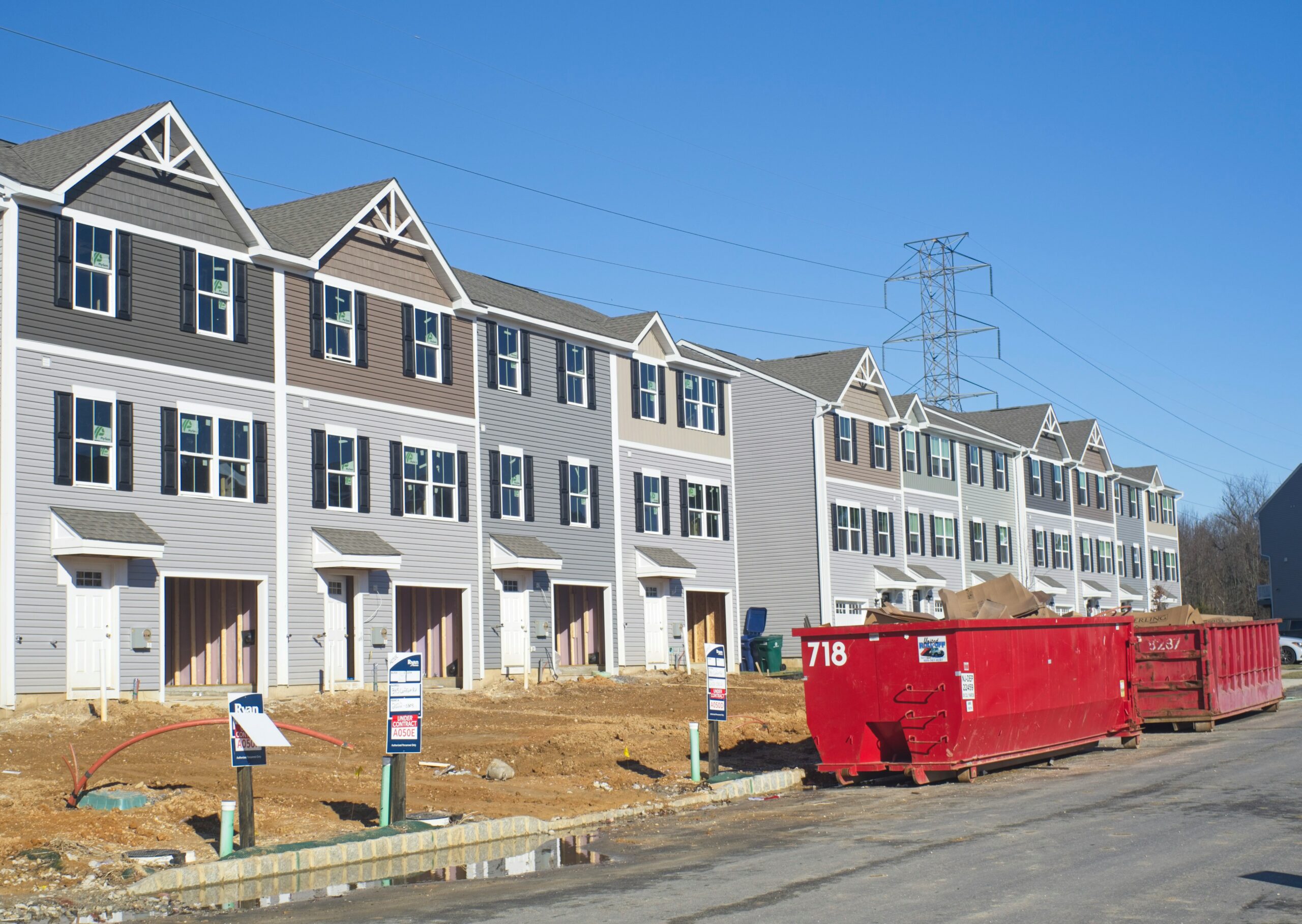
Deb spent thirty years teaching third grade in Toronto’s east end. Now she’s retired, and her son and his husband can’t afford anywhere near her old neighborhood. So Deb decided to build a laneway suite behind her house, a small home where the couple could live for a fraction of market rent. She hired a designer and got ready to file her permit application. A friend who’d gone through the same process warned her to expect months of waiting, plus a round of corrections that resets the clock. Toronto’s new AI permit pre-check tool exists to shrink exactly that wait.
On August 27, Toronto launched the pre-check for small residential building applications: laneway suites, garden suites, additions, decks, and detached garages. Upload your documents and the tool checks them right away. It flags missing paperwork, incomplete information, and possible zoning or building code issues before you submit anything to city staff. Fix what it finds, and your application has a much better shot at passing review on the first try.
What the AI Permit Pre-Check Actually Does
The tool runs on software called CivCheck, built by a company named Clariti. It doesn’t approve or reject anything. City staff still make the final call, and using it is optional. What it does is catch the small stuff that trips people up: a missing site plan, a setback measurement that doesn’t match zoning rules, a form that needed a second signature nobody knew about. Clariti’s CEO, Cyrus Symoom, put it plainly:
“Incomplete applications are among the most common causes of delay, and every round of corrections adds weeks to projects.”
That single sentence explains why Deb’s friend got burned. One missing document doesn’t just cost a day. It bumps you back in the review queue.
What This Means in Real Dollars and Real Weeks
Toronto isn’t the first city to try this software. Honolulu ran the same CivCheck tool starting this summer, and the results are why Toronto signed on:
| Measure | Without Pre-Check | With Pre-Check |
|---|---|---|
| Speed to decision | Baseline | 55% faster |
| Time saved per permit | 0 days | 40+ days on average |
Forty days is real money for anyone building something. The Building Industry and Land Development Association estimates every month a permit sits in review costs a developer between $2,673 and $5,576 in carrying costs. Homeowners like Deb don’t pay those exact numbers. But the logic still holds: every extra week means more financing costs and more rent her son and his husband pay somewhere else.
The Bigger Picture
This fits into Toronto’s push to get 285,000 new homes built by 2031, a goal that comes up constantly in local coverage of the city’s housing shortage. Reporting from BetaKit flagged a catch worth remembering: Pre-Check only covers small residential projects right now, houses with two units or fewer. It won’t touch the apartment towers that make up most of the city’s housing gap. Still, a lot of Ontario’s missing “gentle density,” those laneway suites and garden suites, comes from homeowners exactly like Deb. Faster reviews for them add up.
If you’re a homeowner anywhere near Toronto thinking about a small addition or a secondary suite, run your paperwork through Pre-Check before you file anything official. It costs nothing. Skipping it is the kind of shortcut that ends up adding a month to your timeline instead of saving one.