
Picture Maria, a middle school teacher from Ohio, landing in Osaka after a 13 hour flight. She has dollars in her wallet and a phone full of apps, but nothing she can actually spend yet. Stablecoin travel payments are about to change that first awkward hour for travelers like her, letting her skip the currency counter and pay straight from her phone.
Stablecoin Travel Payments Go Live at PayPay Shops
On September 30, Binance Pay flipped the switch on a new link to PayPay, Japan’s biggest mobile payment network, through a connector called HIVEX. Eligible visitors from more than 100 countries can now pay directly at over 10 million PayPay linked spots. That list includes convenience stores, taxis, vending machines, train kiosks, and tiny neighborhood shops. Japanese residents aren’t part of this rollout. It’s built for the roughly 3 million people who land in Japan most months, part of a record 42.7 million visitors in 2025 alone.
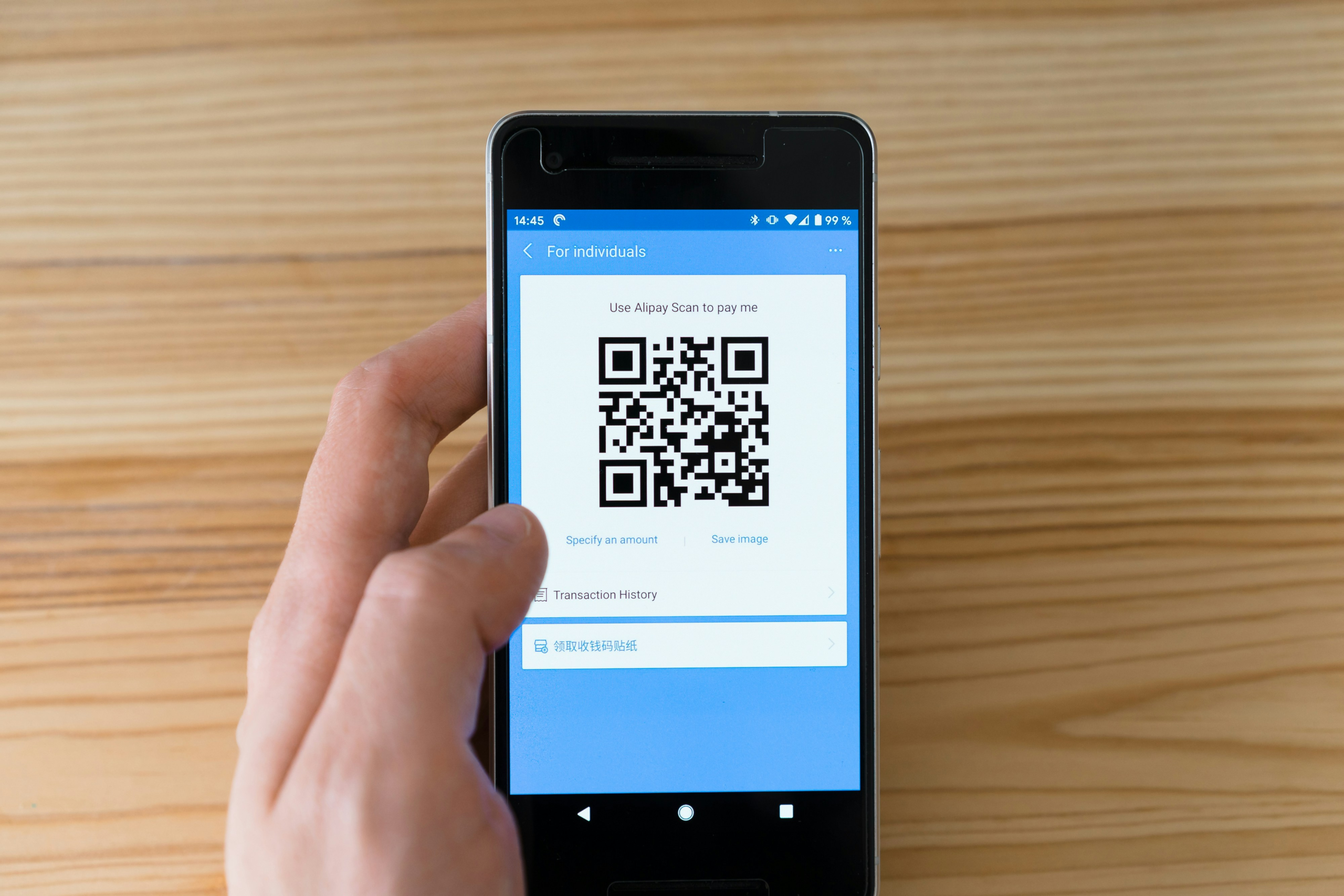
Here’s the part that matters most for an everyday traveler. You don’t convert your stablecoins into yen yourself. You scan a code, the app handles the conversion behind the scenes, and the shop gets paid in yen like it always does. Cointelegraph reported that Binance’s Thomas Gregory, the company’s vice president of payments and fiat, put it simply.
“Our integration with PayPay reflects a shared vision of making payments more seamless, borderless, and accessible for travelers.”
The Real Savings: Skipping the Exchange Tax
Airport currency counters and hotel exchange desks routinely build a 5 to 8 percent markup into their rates. Credit cards add their own foreign transaction fees, often another 1 to 3 percent on top. Spend $1,500 on a two week trip and that hidden tax alone can run $75 to $120. That’s money that could buy several extra meals or a rail pass instead.
Stablecoins hold their dollar value, so a traveler carrying USDT sidesteps most of that markup. She pays close to the real exchange rate, not the airport rate. For someone budgeting a trip paycheck to paycheck, that gap is real money back in her pocket, not a rounding error.
Small Shops Get a New Kind of Customer
Think about Haruto, who runs a four seat ramen counter on a side street near Dotonbori. He has no interest in learning how crypto wallets work, and under this setup, he doesn’t need to. HIVEX handles the conversion, and his register sees yen land exactly the way it does from any other PayPay customer. He just picked up access to tourist spending without taking on any currency risk himself.
That pattern shows up far beyond one ramen counter. Banks and payment networks have spent this year racing to put stablecoins in front of regular people, from HSBC’s RedCoin rollout in Hong Kong to faster transfer rails across Africa, like Kora’s one rail system cutting wait times for cross border payments. This is that same trend showing up at a ramen counter instead of a bank app.
What to Watch Next
Japan isn’t slowing down as a destination. It pulled in a record 42.7 million international visitors in 2025, then another 3.1 million in August 2026 alone. If this integration performs the way Binance and PayPay expect, other tourism heavy countries will feel pressure to offer something similar. Watch Thailand, Mexico, and Italy especially, since all three lean hard on QR based mobile payments already.
If you’re planning a trip anywhere that runs on mobile QR payments, ask one question before you land: does my wallet actually work here without a currency counter in between? That question just got a lot more interesting to ask, and a lot more worth checking before you pack.