
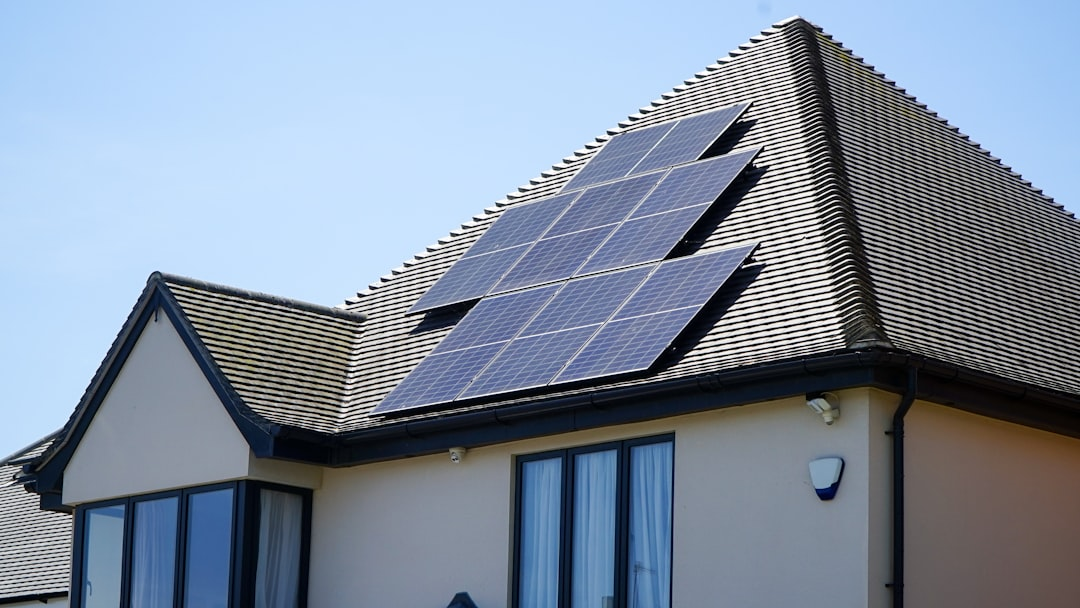
Jessi Koontz used to dread the sound of a diesel generator kicking on. Every time a storm rolled through Madison County, North Carolina, she watched the lights flicker at Beacon of Hope, the food pantry she runs in Marshall. She wondered how long the fuel would last. This fall, Beacon of Hope became a solar microgrid food pantry. Fifty-six rooftop panels now pair with three batteries that store 68 kilowatt-hours of power, roughly a full day of backup. The whole system cost the pantry exactly nothing.
A Solar Microgrid Food Pantry Replaces the Generator
Beacon of Hope isn’t just a food pantry. It doubles as a thrift store and a laundromat. It serves about 1,700 families every month in a county still recovering from Hurricane Helene. Before the solar microgrid went in, a bad outage meant gambling on a backup generator and a dwindling fuel tank. Now the panels and batteries keep the power on through almost any outage the mountains throw at it. The lights, the refrigerators, the Wi-Fi, and the washing machines all keep running.
Picture a dad named Marcus. He drives down from Spring Creek every Thursday to pick up groceries and wash a week’s worth of laundry for his two kids. Last year, a spring storm knocked out power for three days. The pantry’s old generator struggled to keep the freezers cold. During a similar outage in late September this year, nothing changed inside Beacon’s walls. The lights stayed on. The laundromat kept spinning. The freezers held every pound of chicken and vegetables that families like Marcus’s count on.
The Math: A $100,000 Project, Zero Dollars From Beacon
Here’s the part that matters most for Beacon’s bottom line. The project cost $100,000. North Carolina’s disaster recovery funds covered it, alongside a coalition of nonprofit partners: Land of Sky Regional Council, Footprint Project, BuildUS, and Invest Appalachia. Beacon of Hope didn’t pay a cent.
“It’s a $100,000 project, and Beacon has paid nothing,” says director Jessi Koontz.
The solar panels are also cutting Beacon’s power bill by at least 25%, down from roughly $1,200 a month. That’s about $5,600 a year freed up. Koontz can now put that money straight into buying food instead of paying the power company. That matters even more this year: demand for food assistance in the area has jumped 50% since federal aid cuts hit last summer.
One Pantry, Twenty-Four Sites, One Region
Beacon of Hope is just the first stop. North Carolina’s Department of Environmental Quality is funding roughly two dozen more microgrids across Helene-hit counties. The sites include community centers, libraries, fire departments, and food banks. Two mobile trailer units will roll wherever the next disaster hits hardest.
- Backup power for refrigeration, so food and medication don’t spoil during an outage
- Lighting and Wi-Fi, so community hubs can stay open as shelters or charging stations
- No fuel runs, no exhaust fumes, and no 2 a.m. generator refills
It’s the same logic behind a battery storage project already clearing the air in the Bronx. It echoes how New York’s food cart vendors are swapping diesel generators for batteries of their own. Diesel is loud, it’s expensive, and it pollutes the air people breathe. Solar and batteries do the same job quietly and for free, once the panels are paid for.
The nonprofit Footprint Project has been proving this out since Hurricane Helene first hit. It has deployed close to 50 solar microgrids to fire stations, trailer parks, and community kitchens across the region. As Footprint Project operations director Will Heegaard told Canary Media, cutting generator runtime in half can cut fuel costs in half too. Those savings add up fast when relief operations burn through diesel around the clock.
What This Means Before the Next Storm Hits
Nonprofits anywhere in the country can tap a federal rebate covering 30% of a solar installation’s cost, even without owing federal taxes. That’s the same incentive structure helping fund Beacon’s system and the rest of the regional rollout. Maybe you volunteer at a food bank, sit on a library board, or know a fire department running on a shaky generator. This is worth asking about before hurricane season circles back around. The next outage is only a matter of when, not if. The mountains of western North Carolina just showed what it looks like to be ready.