
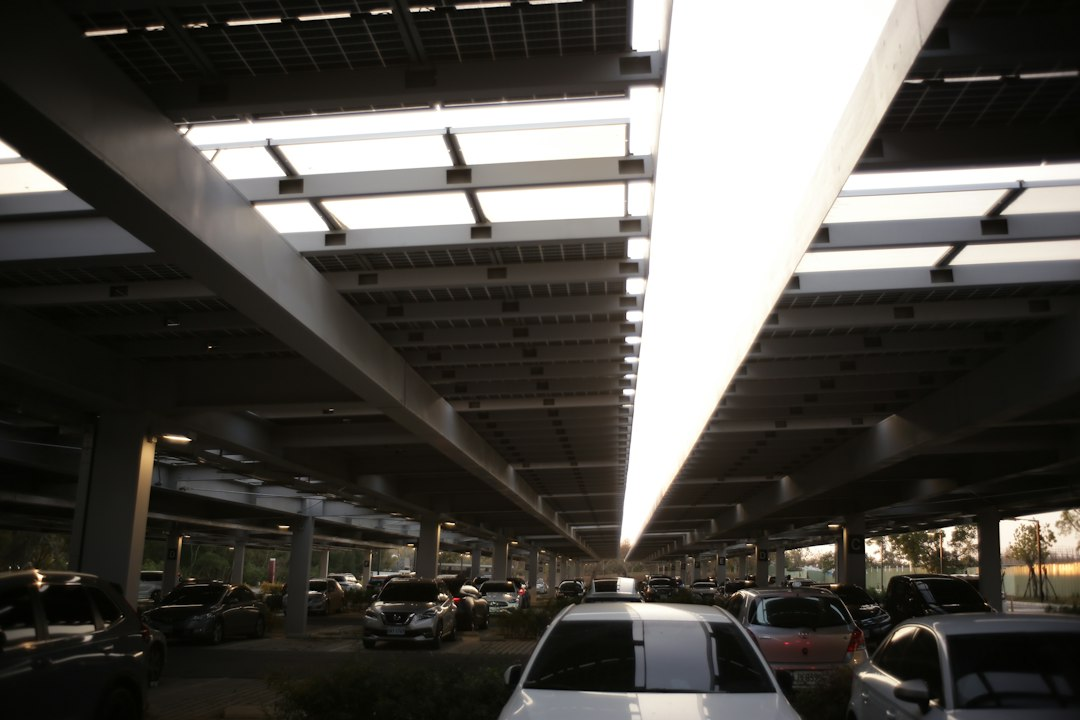
Picture a dad pulling into Six Flags Magic Mountain on a 95 degree afternoon, toddler strapped in a car seat. He parks, and for once he doesn’t crack the windows and hope the car isn’t an oven by the time his family gets back. That’s the small, human-sized promise behind the new Six Flags solar carport in Valencia, California, now the largest of its kind in the state.
A Parking Lot That Finally Pulls Its Weight
Six Flags broke ground on this project back in 2023 with Solar Optimum, a solar installer based in Glendale, California. The system went fully online on October 1. It uses 22,908 bifacial panels spread across more than 637,000 square feet of canopy, enough to make it one of the largest solar carports in the country.
The panels sit above roughly 4,315 parking spaces: 3,544 for guests and 771 for employees. That matters more than it sounds. A car in direct summer sun can reach dangerous interior temperatures within about an hour, according to research from Arizona State University. Shade from a solar canopy keeps everything inside that car, including a napping toddler or a waiting dog, meaningfully cooler.
What the Six Flags Solar Carport Actually Delivers
The array pairs with a 2 megawatt, 8 megawatt-hour battery, enough to run at full strength for about four hours. Together, solar and storage should produce roughly 20.8 gigawatt-hours a year. That’s enough to offset all the electricity used by Magic Mountain and its neighbor, Six Flags Hurricane Harbor Los Angeles, per Solar Builder Magazine’s reporting.
| What it delivers | Figure |
|---|---|
| Parking spaces shaded | 4,315 |
| Homes’ worth of power generated per year | About 2,874 |
| CO2 eliminated annually | 8,000+ tons |
| Water conserved annually | 10 million+ gallons |
| New EV charging connectors | 109 |
Cooler Cars, Cleaner Air, and Somewhere to Plug In
Eliminating more than 8,000 tons of carbon dioxide a year is roughly like taking 1,700 gas-powered cars off the road for good. Saving 10 million gallons of water matters too, since power plants burn through water for cooling. That is close to 15 Olympic swimming pools kept full instead of drained for electricity nobody can see.
Then there is the charging: 109 new EV connectors split between guest and employee lots. A family driving an EV in from out of state can skip the range anxiety. So can a retired couple road-tripping to see the grandkids. That’s one less thing to plan around before a day of roller coasters. It is the same instinct behind home battery systems giving homeowners their own buffer against outages: flexibility, built quietly into something people already use.
“This is a transformative moment for Six Flags Magic Mountain and our sustainability journey.”
Brian Oerding, park president, Six Flags Magic Mountain
What This Means If You Don’t Own a Theme Park
You probably don’t run an amusement park. But this project tells you where clean energy is headed. A seasonal business just bet its whole electricity bill on solar and batteries, and the math worked well enough to do it at scale. That is the same math showing up in community solar programs cutting electric bills for people who don’t even own a roof.
Keep an eye on your city’s biggest parking lots: stadiums, malls, big box stores. Those flat, baking rooflines are the next logical spot for a canopy like this one.