
Picture a retired mail carrier in Rockford, Illinois, opening her ComEd bill every month and bracing for the total. Now picture that bill landing with a real discount attached, and she never installed a single panel or signed a financing agreement. That is Rockford community solar savings in action, on the city’s far west side, right now.
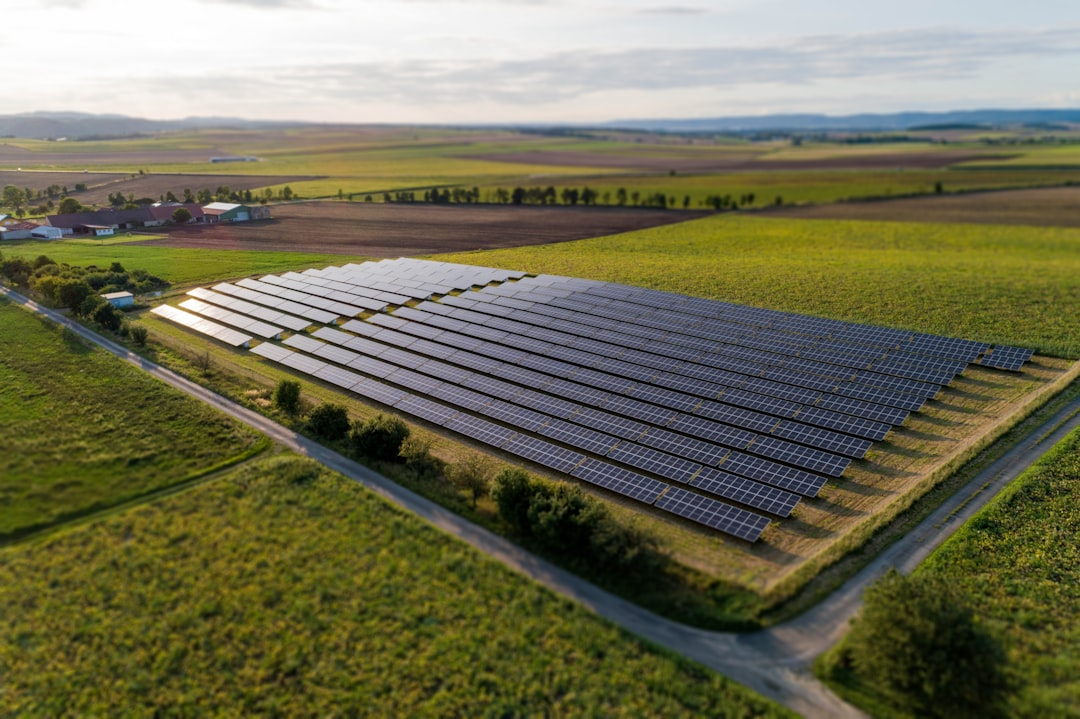
The project is called Mark Raeder Legacy I. It just wrapped its first full year online. Summit Ridge Energy built the 35-acre solar farm with Trajectory Energy Partners and ComEd, packing in 20,000 panels that generate 6.2 megawatts. It is Winnebago County’s first community-driven community solar project, and founder Steve Raeder named it for his late brother, as the companies announced this week.
“My brother believed that well done is better than well said, and that’s exactly what this project has been: a promise kept.”
Steve Raeder, Founder and CEO, Summit Ridge Energy
Who Actually Sees the Rockford Community Solar Savings
You do not need to own a roof, or even a house, to subscribe. About 690 residential customers signed up. More than a third are low-income households getting a 50 percent discount on their share of the power. Everyone else saves up to 20 percent a month. OSF Saint Anthony Medical Center anchors the project as the commercial subscriber.
| Subscriber | Year-One Savings |
|---|---|
| 690 residential households (combined) | about $98,000 |
| OSF Saint Anthony Medical Center | over $65,000 |
| Total first-year impact | about $163,000 |
Spread across every household, that averages roughly $140 a family, and low-income subscribers see a deeper cut than the average suggests. For someone stretching a fixed income through an Illinois winter, that is real money back for groceries or a heating bill.
A Hospital and a Union Hall Both Win
OSF Saint Anthony’s savings do not just sit on a balance sheet. A nonprofit hospital that spends less on electricity has more to put toward staffing and patient care. Building the array also put people to work: over 33,000 union labor hours, with electricians from IBEW Local 364, operating engineers from Local 150, and carpenters from Local 792 all on site. That kind of hiring rarely makes a panel spec sheet, but it is the part families feel. Illinois State Senator Steve Stadelman, who represents Rockford, called it proof that the state’s clean energy law is delivering real savings alongside good-paying local jobs.
Part of a Bigger Illinois Trend
Rockford is not alone. A similar push already brought community solar savings to Chicago’s South Side, and another opened savings for renters and homeowners in Bloomington. The Citizens Utility Board and the Solar Energy Industries Association both track this model as one of the fastest ways to bring clean power to people who cannot put panels on their own roof: renters, apartment dwellers, older adults on fixed incomes, and anyone whose roof sits in the shade.
There is an environmental payoff too. A 6.2-megawatt array like this one typically generates enough electricity in a year to match the usage of roughly 900 average Illinois homes. Every megawatt-hour it produces is one the ComEd grid does not need to generate by burning fossil fuel.
My honest read, after watching a dozen of these deals launch this year: the ones that last always pair the discount with something concrete, a union paycheck, a hospital’s budget, a family’s grocery money. Rockford checked every box.
If you rent, live in an apartment, or just do not want to finance rooftop panels, ask your utility whether it runs a community solar program. It took Rockford a year to prove this version works. The next city with numbers like these could be yours.