
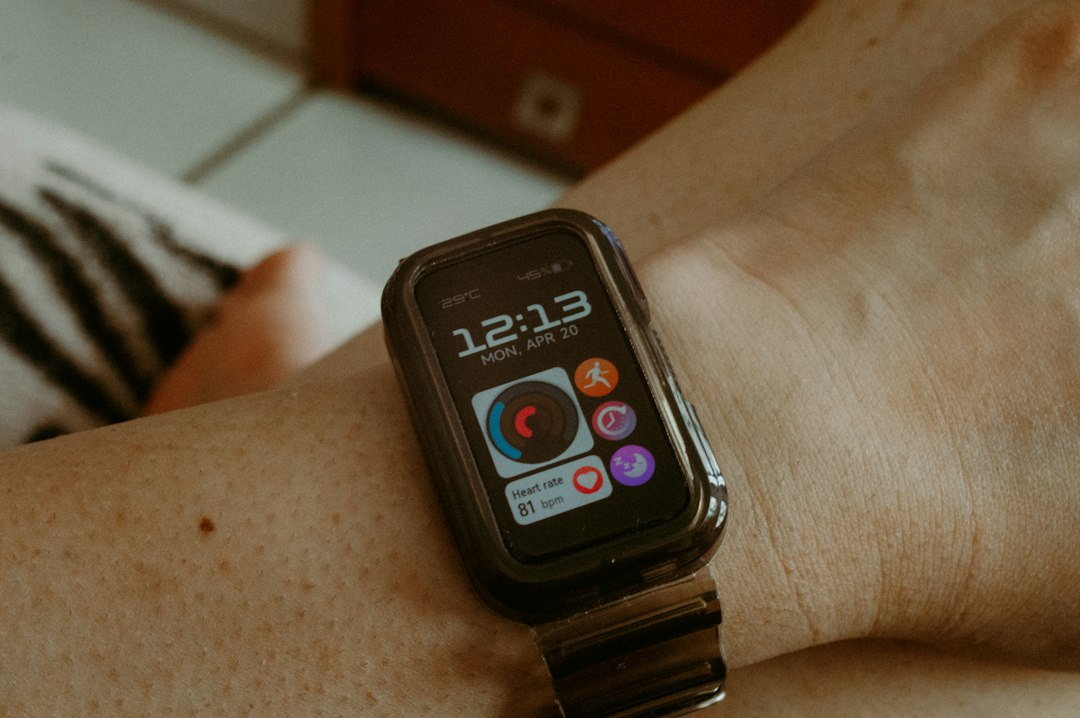
Picture Maria, a night-shift ICU nurse in Cleveland. She spends twelve-hour shifts checking other people’s blood pressure. She hasn’t checked her own in over a year. Her scrubs pocket holds a Pixel Watch that has been quietly doing it for her anyway.
That’s the idea behind Health Guardian, Google’s free update for Pixel Watch blood pressure tracking and insulin resistance trends. It started rolling out to Pixel Watch 3, 4, and 5 owners the week of September 24, 2026. The watch uses on-device AI to spot warning signs before you notice anything is wrong. No cuff. No blood draw. No appointment to book.
How Pixel Watch Blood Pressure Tracking Works
Health Guardian adds three passive tracking tools that run quietly in the background:
- Blood pressure trends: reads your pulse and motion patterns over about a month to flag when your numbers are creeping up.
- Insulin resistance trends: studies weeks of sensor data to catch early metabolic shifts tied to type 2 diabetes risk.
- Sleep breathing quality: tracks how well you breathe overnight and rolls it into a monthly report.
Google trained the insulin model on more than a trillion minutes of sensor data from five million people who opted in.
Why This Matters More Than It Sounds
Here’s the part that got my attention. Roughly 40% of adults have no idea they’re becoming insulin resistant. Most people only find out at a checkup they’ve been putting off for months.
Google Health puts it plainly: “Six in 10 people don’t realize when their blood pressure has shifted higher.”
A basic blood pressure check at urgent care can run $100 to $150 without insurance. A lab panel that flags insulin resistance often costs $50 to $200 out of pocket. Health Guardian does both jobs continuously, for zero dollars, if you already own a Pixel Watch 3, 4, or 5.
Think about what that means for a small business owner in Ohio who lets her insurance lapse during the slow season. Or a dad working two jobs who can’t take a weekday off for a doctor’s visit. Or an older adult who lives alone with no one checking their vitals day to day. The watch on their wrist becomes a low-stakes early warning system instead of one more appointment to schedule.
It joins a growing list of AI wearable features that quietly save people money, like the Apple Health Age Score and Meta’s hearing aid feature that could save users thousands. Wearables spent a decade mostly counting steps. This one goes after the two conditions that drive the country’s costliest health problems: heart disease and type 2 diabetes.
What It Won’t Do
Don’t mistake a trend alert for a diagnosis. Dr. Jacqueline Shreibati, Google’s clinical lead and a practicing cardiologist, stays candid about the limits. She told Yahoo Tech that catching serious heart conditions early is still “the goal,” not a finished product. Treat a flagged trend as a reason to book an appointment, not a reason to skip one.
Setup happens through the Google Health app this week, and the first trend reports start landing in early October. Fitbit Air owners get the same tools later this year, but only with a paid Google Health Premium subscription.
If you already own a Pixel Watch 3, 4, or 5, open the Health app this week and turn this on. It costs nothing. It might be the reason you catch a problem in month three instead of finding out the hard way, years later.