
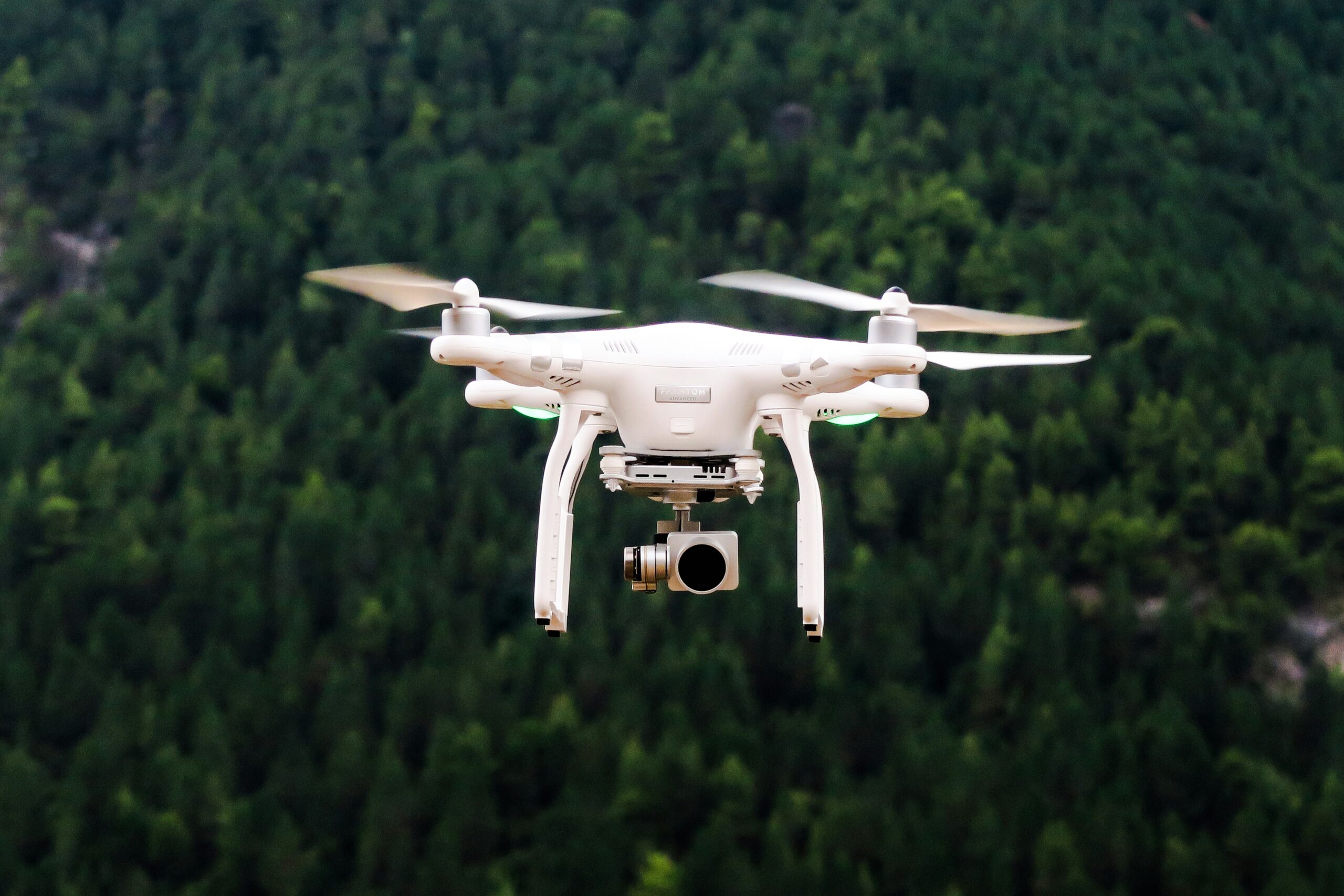
Picture Priya, a retired schoolteacher in Bolton, Ontario, out for her evening walk. She collapses on the sidewalk. Her heart has stopped. A neighbor calls 911 and starts CPR. Every second now works against her, unless a new medical drone pilot from Peel Regional Paramedic Services reaches her first.
Starting this month, that wait looks different in Bolton. Peel Regional Paramedic Services launched a medical drone pilot program on September 22, the first of its kind in Canada. Instead of only an ambulance racing through traffic, a drone can now fly a defibrillator straight to Priya’s neighbor, sometimes minutes before paramedics arrive.
Why Every Minute Without a Heartbeat Counts
Survival odds from cardiac arrest drop fast with each minute without CPR or a shock from a defibrillator. A simulation study of the Île-de-France region, published in late September, put real numbers on that urgency. Drones cut average response time by 3.76 minutes compared to ambulances alone, and in some cases the gap topped 10 minutes. A hybrid network of drones and fixed defibrillators reached more than 95 percent of cardiac arrest cases within five minutes. Ambulances alone hit that mark only 30 to 40 percent of the time. That gap is the difference between a bystander holding an AED and a family waiting helplessly on hold.
How the Medical Drone Pilot Works
The pilot covers a five-kilometer radius around the Bolton Paramedic Satellite Station and runs through 2029, with reviews every six months. Trained paramedics fly the drones in daylight, at up to 60 kilometers per hour. When someone calls 911 for cardiac arrest, opioid overdose, severe bleeding, or a bad allergic reaction, dispatchers can send a drone carrying:
- An automated defibrillator, for cardiac arrest
- Naloxone, for a suspected opioid overdose
- Trauma supplies, for severe bleeding
- An epinephrine auto-injector, for anaphylaxis
A paramedic stays on the phone, walking a bystander through using whatever the drone drops. Ambulances still come. The drone just buys time.
“By integrating drone technology into our response model, we are putting life-saving tools like AEDs into the hands of bystanders faster,” said Brian Gibson, Chief of Peel Regional Paramedic Services.
Who This Actually Helps
This isn’t only about cardiac arrest. Think of a father who can’t breathe after a bee sting at a backyard barbecue, or a teenager who collapses after taking something laced with fentanyl. Each of those calls falls within what this program covers.
For families, that means real peace of mind. You don’t need to own a car, live near a fire station, or keep an AED bolted to your wall. Help can come from the sky instead. For the paramedic service, a faster first response means fewer calls turn fatal simply because nobody reached the patient in time.
CBC News reports that Peel’s program builds on research from Dr. Sheldon Cheskes at Sunnybrook’s Centre for Prehospital Medicine, work that has already shaped similar drone-AED pilots in Sweden. If Bolton’s review shows fewer deaths and faster shocks, expect other Canadian towns, and some south of the border, to ask the same question: why isn’t there a drone base near me?
Peel isn’t the only place rethinking what “first responder” means. In Virginia, Bath County’s new text-to-911 system gives people who can’t safely speak on a call another way to reach help fast.
Here’s what I’d watch next: whether Peel publishes Bolton’s full evaluation, and whether it expands the drone network past that five-kilometer circle. If you live somewhere with slow ambulance access, this is worth raising with your local council. Sometimes the fastest way to save a life is the one flying over your street.