
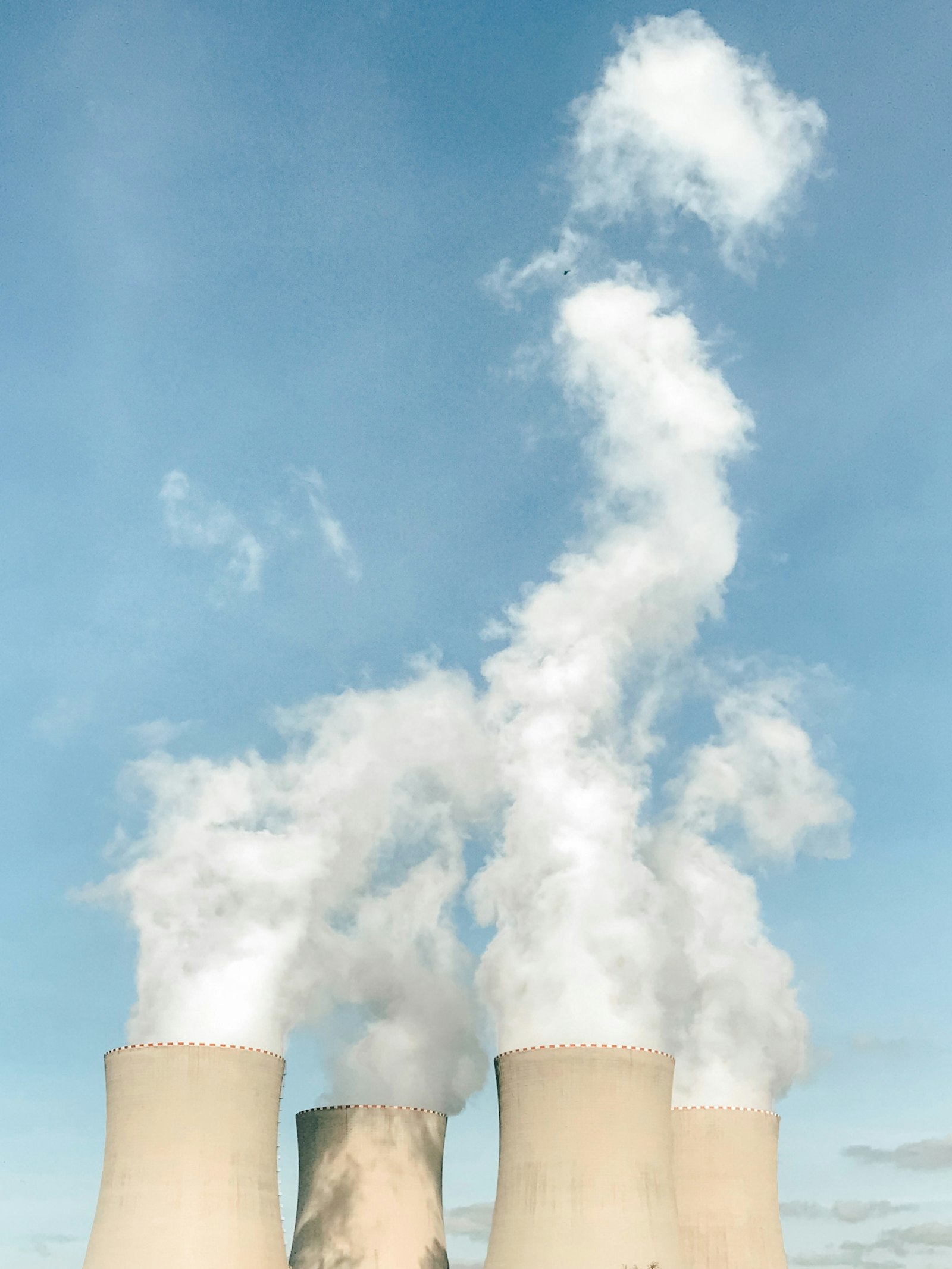
How do you keep the lights on at a weapons depot if the regional grid goes down? The US Navy’s answer, confirmed this week, is a nuclear reactor small enough to ship on a flatbed truck. On October 22, 2026, the Navy picked the Radiant Kaleidos microreactor to power Naval Weapons Station Crane in southern Indiana, according to Defense Daily and World Nuclear News. Nothing is built yet. The reactor still has an environmental review, site prep, and years of testing ahead of it. But the selection itself is real, and it makes Crane the Navy’s first-ever shore-based microreactor site.
The Radiant Kaleidos Microreactor, Explained
Radiant, a California company based in El Segundo, builds a 1-megawatt reactor called Kaleidos. The Navy chose it for NWS Crane, a 62,000-acre installation that tests and stores munitions and electronics for the fleet. World Nuclear News reports the plant will be the Navy’s first shore-based advanced micromodular reactor, and also Indiana’s first power-producing nuclear reactor of any kind. That second point matters: a state with zero nuclear generation today is about to host its first reactor, and it will belong to the Navy, not a utility.
The decision follows a trail that started in September. On September 9, 2026, the Department of War announced that Crane would get a commercially owned microreactor, without naming a vendor yet. The American Nuclear Society reported that the project runs through the Army’s Janus Program, the same effort that picked five companies for five Army bases back in August. Crane is different. It’s a Navy installation, and in October the Navy settled on Radiant as the vendor for it specifically.
Why Kaleidos Skips the Usual Reactor Headaches
Most of what makes this interesting isn’t the power output. One megawatt is tiny next to a commercial reactor. It’s how the thing gets built and dropped into place. According to The Defense Post and World Nuclear News, Kaleidos is designed around a few specific shortcuts:
- Factory-built, not site-built. Radiant assembles the whole unit in a factory and ships it out, rather than building it piece by piece on location.
- No cooling water required. It’s a high-temperature, gas-cooled design, so it skips the water intake and discharge systems a conventional plant needs.
- No major excavation. Radiant says the unit needs no deep foundation work, which is a big chunk of the cost and schedule on any normal reactor project.
- Five years between refuelings. A single fuel load runs the reactor for up to five years before it needs servicing.
- Transportable by land, sea, or air. That’s the whole point of a military microreactor: it can follow the mission instead of waiting for one.
- Twenty-year service life. That’s the planned lifespan for a single unit, per the reporting.
Those design choices are also a bet about cost. Big reactors get expensive partly because every one is a custom construction project. If Kaleidos really ships ready to plug in, Radiant is betting it can dodge the two line items that blow up nuclear budgets most: pouring concrete and laying water pipe.
The Only Company Picked by All Three Services
This isn’t Radiant’s first military contract. The Army already selected Kaleidos for Fort Benning, Georgia, as one of the five Janus Program vendors announced in August. World Nuclear News notes that the Air Force picked Radiant too, for Buckley Space Force Base in Colorado, back in April. With the Navy’s pick for Crane, Radiant becomes the only nuclear company working with the Army, Navy, and Air Force at the same time. That’s a meaningful signal on its own: three separate branches, running three separate selection processes, landed on the same design.
The timeline below shows how fast this moved once the Pentagon decided to act:
- 2025: President Trump signs Executive Orders 14299 and 14302, requiring an Army-regulated reactor operating at a domestic military installation by September 30, 2028.
- August 26, 2026: The Army names five companies, including Radiant, for five Army bases under the Janus Program.
- September 9, 2026: The Department of War announces Crane as the Navy’s first microreactor site, vendor still unnamed.
- October 22, 2026: The Navy names Radiant and Kaleidos as the vendor for Crane.
That’s a little over a year from executive order to a named vendor at a Navy base. Whether construction keeps pace with that is the real question.
What’s Still Unbuilt
None of this means a reactor is humming away in Indiana. A few things are still missing:
- Neither the Navy nor Radiant has announced a deployment date for Crane specifically, even though the broader executive order sets a September 2028 deadline for an Army-regulated reactor somewhere.
- Neither side has released a cost or contract value for the Crane project.
- The Navy hasn’t started environmental review, site preparation, or regulatory coordination with the Nuclear Regulatory Commission yet, according to the reporting.
- Kaleidos is still in testing, not commercial operation. Radiant has exclusive year-long access to the Department of Energy’s DOME facility at Idaho National Laboratory, where it’s running a full-power, long-duration test using the same design and fuel it plans to ship to customers. We covered that testing campaign when it began, and it’s still underway.
- “Selected” is not “built.” The Army’s own Janus Program documents show officials don’t expect every vendor to hit the 2028 target.
Who Benefits and How
This is a defense infrastructure story first, not a consumer product story, so the benefit to most people is indirect. For the people who work at Crane, a working microreactor would mean power that keeps running if the regional grid trips, which matters at a base that stores and tests munitions. For Indiana, it means the state’s first nuclear reactor, built and operated outside the usual utility process. For everyone else, the real payoff is slower and less certain: if Kaleidos proves it can be factory-built and dropped on-site without cooling towers or major excavation, that same playbook could eventually make small reactors cheaper and faster to build for civilian grids, hospitals, or disaster response. None of that is guaranteed yet. It depends on Crane’s reactor actually working as designed, on schedule, which hasn’t happened anywhere yet.
Two Quick Questions
Is this Indiana’s first nuclear reactor?
Yes, according to World Nuclear News. Indiana currently has no operating nuclear power reactors, so NWS Crane’s microreactor would be the state’s first, if it’s built as planned.
When will the reactor start producing power?
Neither the Navy nor Radiant has announced a date for Crane specifically. The broader executive order behind the Janus Program sets a September 30, 2028 deadline for an Army-regulated reactor at some domestic base, but officials have said not every site will meet it.
Keep an eye on two things from here: whether the Navy publishes an actual construction schedule for Crane in the coming months, and whether Radiant’s test campaign at Idaho National Laboratory wraps up clean. A vendor name is a milestone. A working reactor at a Navy base is the one that will actually prove this approach works outside a lab.
Sources
- Defense Daily: Radiant Picked To Supply Microreactor For Naval Weapons Station Crane (Oct 22, 2026)
- World Nuclear News: Radiant microreactor selected for deployment by US Navy (Oct 2026)
- The Defense Post: US Navy selects Radiant microreactor for Indiana base (Oct 22, 2026)
- Israel Defense: U.S. Navy selects Radiant’s Kaleidos nuclear microreactor (Oct 25, 2026)
- American Nuclear Society: Navy’s first terrestrial reactor coming to Indiana’s NWS Crane (Sep 11, 2026)
- World Nuclear News: Indiana to get its first power-producing nuclear reactor (Sep 14, 2026)