
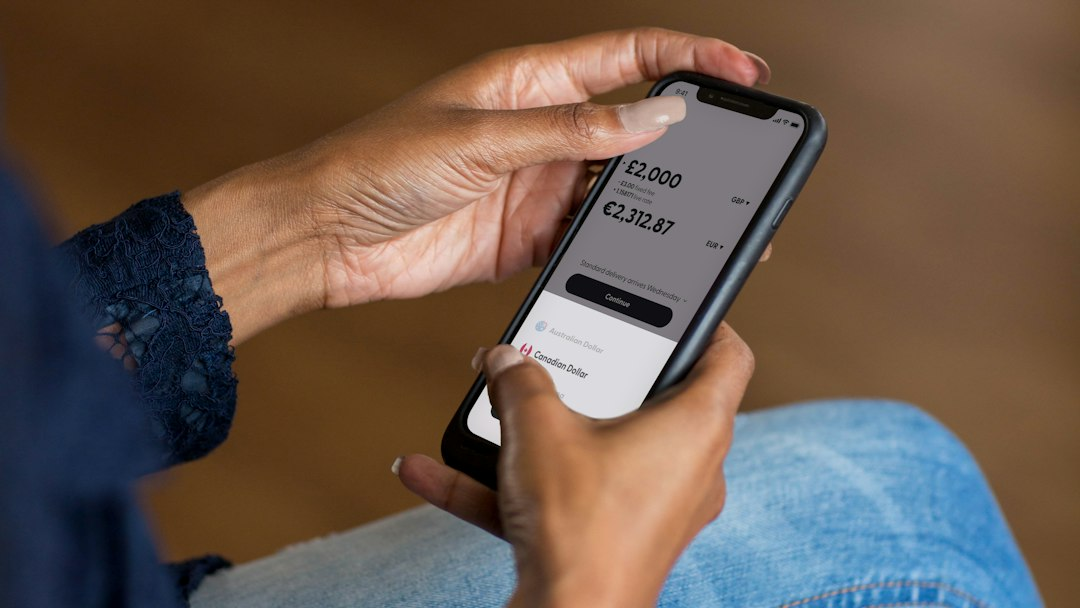
It’s 2 a.m. in Glasgow, and nurse Priya Sharma has just finished a 12 hour shift. Her phone buzzes. A text claims her NatWest card was declined for £340 and asks her to tap a link to verify it. Her stomach drops. Is this real, or a scam? Should she call the bank now, or wait until her alarm goes off for the next shift? NatWest just built a new AI fraud detection tool to close exactly that gap, the one between “something feels wrong” and “someone actually helps.”
An AI Fraud Detection Tool That Skips the Hold Music
NatWest announced two new AI tools on September 25, 2026. The first lives inside Cora, the bank’s existing chat assistant. It’s called the Fraud Triage Agent. Customers describe a suspicious transaction in plain language instead of hunting for the right menu option. Say “I think someone used my card,” and the agent routes you straight to the right fraud, scam, or dispute team. Since launch, it has handled close to 19,000 of these conversations, according to NatWest’s own announcement.
A Voice You Can Actually Talk To
The second tool, Spending Insights, lets customers talk through their finances out loud instead of scrolling a statement line by line. Ask why your grocery bill jumped last month. Interrupt yourself. Change the subject. It follows along and turns your spending into interactive graphs on the spot. NatWest built this on its own small language model. It skipped licensing someone else’s chatbot, a choice it says helps the tool match how customers actually talk about money.
“Customers want experiences that are simpler, more personal and more responsive, while still knowing there’s someone to turn to,” said Solange Chamberlain, NatWest’s retail CEO.
Why the Timing Matters
UK banks lost £1.28 billion to fraud in 2025, across more than four million cases, according to a UK Finance industry report. Scams that trick people into sending their own money jumped 19% in a year. Banks reimbursed only 61% of those losses. Speed matters here. The faster you flag a problem, the better your odds of getting the money back before it disappears. That’s a different job than AI budgeting tools, which mostly tell you where your money already went.
NatWest isn’t alone in this race. Metro Bank rolled out its own AI-powered Scam Checker, which lets customers forward a suspicious text or email over WhatsApp and get an answer in minutes. Add tools like Alexa’s own scam-text detection. Banking customers finally have an alternative to “just hang up and call us back,” a line that rarely feels possible with a declined card and a stranger’s text staring back at you.
What You Can Actually Do With This
- Skip the explaining. Describe what happened in your own words and let the AI route you, instead of guessing a phone menu.
- Ask real questions about your money. “Why did my spending jump in September?” beats digging through a statement by hand.
- Watch your own bank. If you’re with NatWest or Royal Bank of Scotland, the voice tool trials first under the RBS brand, with a wider rollout to follow.
This is a trial, not a finished product on every phone yet. Plenty of people will still want a human on the line when real money is at stake. A NatWest survey found 81% feel that way, and they should keep the option.
Still, the direction is worth watching, especially if your bank hasn’t said a word about this yet. Next time you’re on hold for something unrelated, ask one question: what happens if I get scammed at 2 a.m.? The answer says a lot about whether your bank is ready for a moment like Priya’s.