
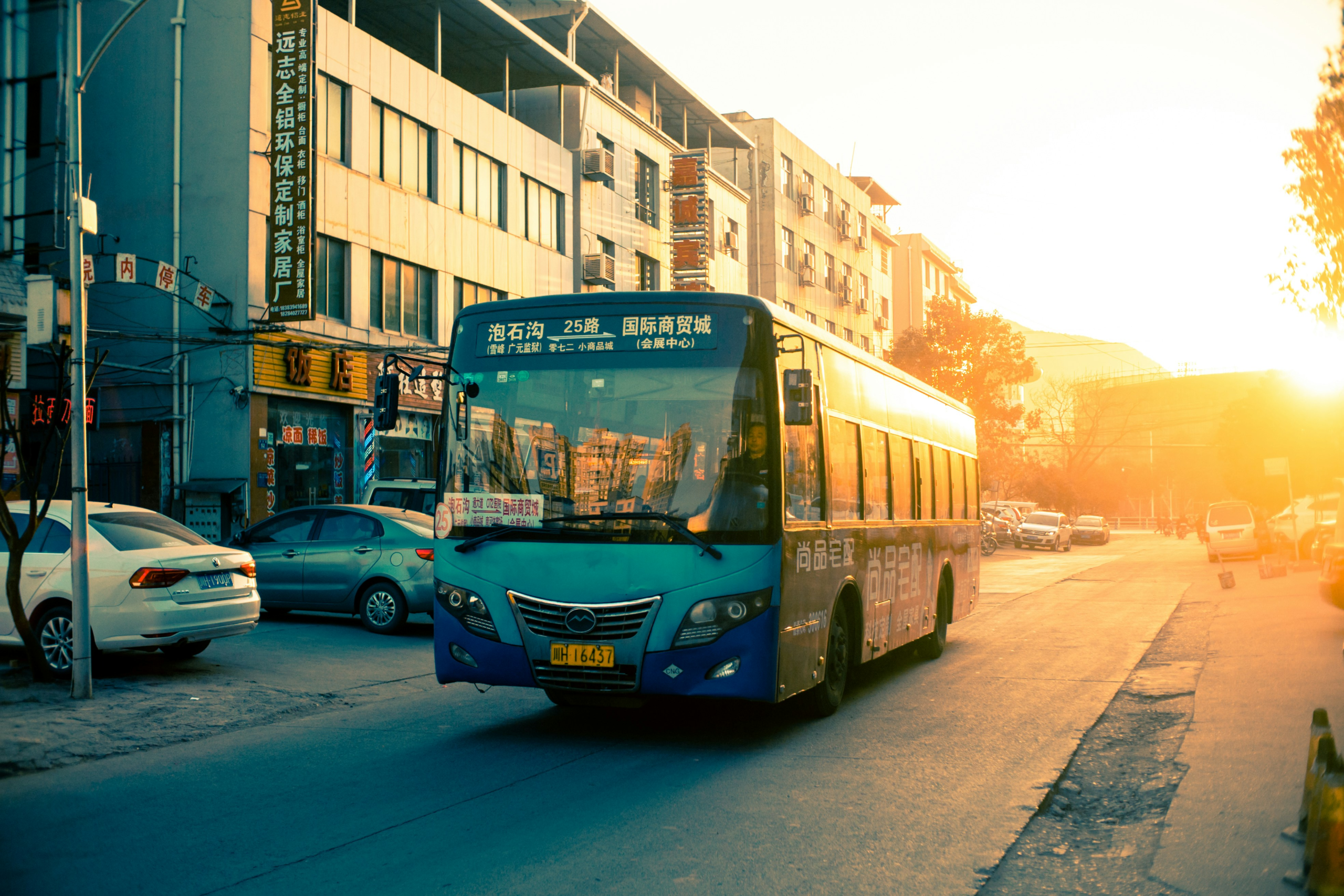
Picture Mira, a pharmacy technician in Munich’s Freimann district. She catches bus line 178 every weekday at 6:40 a.m. Last winter, her regular driver called in sick with no backup. The bus never came. She waited twenty minutes in the cold, then paid 18 euros she couldn’t spare for a rideshare.
Stories like hers play out across cities that can’t hire enough bus drivers. Boston’s MBTA, LA Metro, and Minneapolis’s Metro Transit have all cut routes for that exact reason in recent years. Munich just tested a different fix. This month, MAN Truck & Bus, transit operator MVG, and utility SWM put a fully automated electric bus into real city traffic. That makes it one of the clearest signs yet that a Munich autonomous bus could keep routes running even when human drivers run short.
Munich’s Autonomous Bus Drives Itself, With a Human Still Watching
The vehicle is a MAN Lion’s City 12 E, automated with software from ADASTEC, a company that builds Level 4 driving systems for buses. It has been running since early September on route 178, between Petuelring and Freimanner Hölzl, and this month it became visible to the public for the first time.
The bus reads the road with a stack of sensors:
- Five LiDAR units
- Six radars
- Eight cameras
- Satellite positioning for precise location
A trained safety driver still sits on board and can take control at any moment. Germany’s Federal Motor Transport Authority issued the operating permit, after TÜV inspectors signed off. Nobody removed a safeguard here. They added a backup driver that never calls in sick.
Why This Matters If You Don’t Drive
Not everyone can drive themselves to work, the doctor, or the grocery store. Older adults who no longer drive, people with disabilities, teenagers, and anyone who can’t afford a car all depend on the bus actually arriving. When a route gets cut because an agency can’t staff it, those riders lose real time and real money, not just convenience. A single missed bus that forces a rideshare home can easily cost $15 to $25. Miss two or three a month and that adds up to a car payment.
The Munich bus also keeps accessibility in mind. It seats about 30 people and holds space for a wheelchair or a pram, so a backup vehicle doesn’t mean a less accessible one.
Sinaida Cordes of SWM and MVG put it simply:
“We see autonomous vehicles as an opportunity to make public transport even more attractive, flexible, and efficient.”
That’s the real promise here: not a flashy robotaxi for people who already have options, but a steadier bus for people who don’t.
What Happens Next
Starting in November, a closed group of test riders will board the automated bus as it runs alongside the regular schedule. Munich residents can already sign up to be considered. The city isn’t promising driverless buses everywhere overnight. Officials expect series production only by the end of the decade. The MINGA research project behind this test runs on roughly 13 million euros in federal funding. That’s unglamorous groundwork. But it’s exactly what decides whether your bus shows up on time five years from now.
Munich isn’t alone in testing whether automation can protect transit access. Seoul is running self-driving buses to get night-shift workers home safely. Shreveport, Louisiana already proved a free self-driving bus can open up a city for riders who need it most. Independent trade coverage from Sustainable Bus notes that MAN switched technology partners earlier this year to get this test onto real streets faster.
If you ride the bus because you have to, keep an eye on programs like this one. The real measure of success won’t be a flashy demo. It’ll be whether your route still runs next winter when the agency can’t find a driver.