
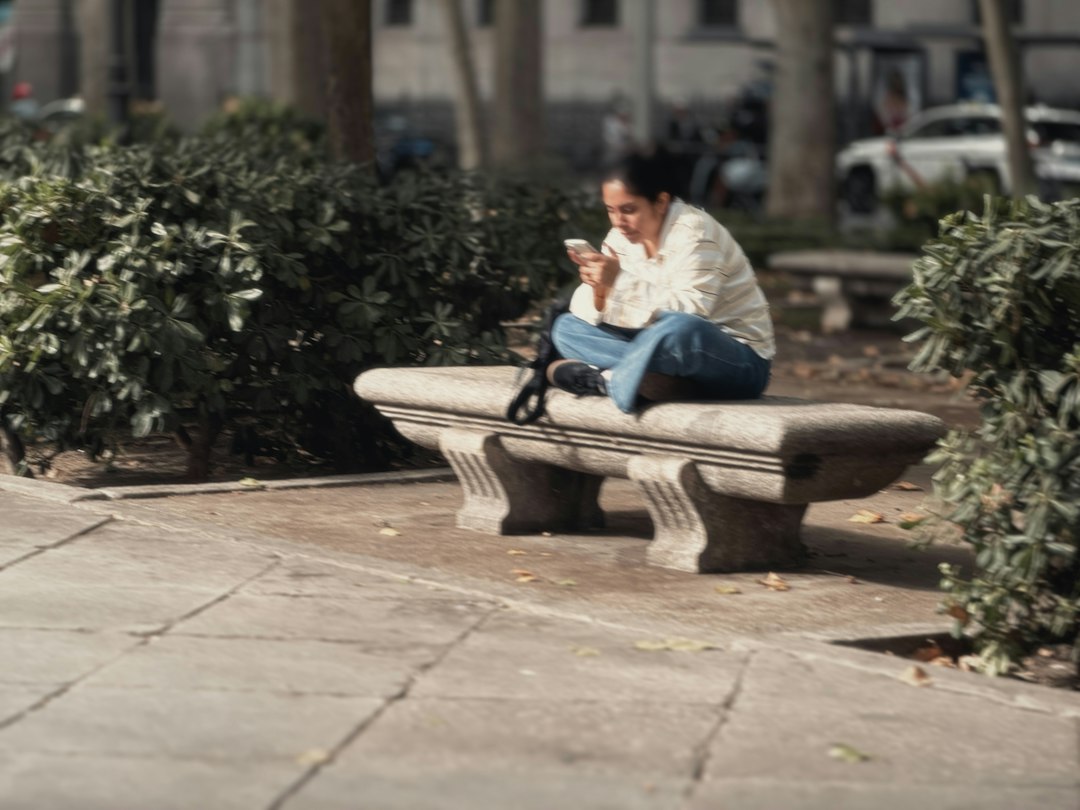
Marcus takes his dog to Hound Town Dog Park most mornings before his shift at the warehouse. While the dog chases a tennis ball, he checks his email and glances at a job listing he’s been tracking on his phone. He doesn’t pay for that connection, and he doesn’t need a password either. Hound Town just joined Moreno Valley’s WiFi Gardens network, and for people like Marcus, that small addition means real money and real time saved.
The city announced the expansion on September 17. Three more spots joined the network known as ILoveMoVal: Parque Amistad, Vista Lomas Park, and Hound Town Dog Park. They join more than a dozen locations added earlier this year. The setup works like a coffee shop that never charges for WiFi. No login screen. No data cap. No fine print.
What This Actually Saves People
Home internet in California costs about $83 a month on average, according to BroadbandNow’s 2026 pricing research. That adds up to nearly $1,000 a year. A free WiFi Garden won’t replace a home connection entirely. But for a family stretching a paycheck, a few hours a week of free, reliable internet adds up fast. Skip the overage fee on a phone plan. Skip the drive to a library that closes at 6 p.m. Finish the homework assignment from a park bench instead.
Moreno Valley Mayor Ulises Cabrera put it simply:
Access to reliable internet is essential for education, employment, accessing services and staying connected.
Councilwoman Cheylynda Barnard picked the name “WiFi Gardens” on purpose. These spots are meant to feel like a place to sit down and stay a while, not just a hotspot to duck into and leave.
Who Uses Moreno Valley’s WiFi Gardens
Picture the range of people who actually show up at one of these parks. A nurse coming off a night shift might check her kids’ school portal from a bench before heading home. A retired teacher might video call a grandchild who lives three states away. A small business owner without an office might upload invoices between errands. None of them fit a single “target demographic.” They just need a signal that works, at a time that fits their day.
The program reaches further than internet access alone. Qualifying residents can also get a free computer through the Community Action Partnership of Riverside County. That detail matters more than it might seem. A connection is useless without a device to use it on, and even a basic laptop runs $400 or more. Pairing free WiFi with a free device closes two gaps at once instead of one.
Part of a Bigger Pattern
Moreno Valley isn’t the only city rethinking public internet as basic infrastructure. Los Angeles recently opened free community WiFi in the Crenshaw Corridor ahead of the 2028 Olympics, and Philadelphia is closing in on a citywide public internet project spanning more than 180 sites. Cities are starting to treat internet access less like a luxury add-on and more like a streetlight or a park bench: something the whole community shares.
That shift matters because the digital divide rarely shows up as a headline. It shows up as a kid who can’t finish a homework assignment, a job application that times out mid-upload, or a telehealth visit that drops before the doctor finishes a sentence.
If your own city hasn’t announced something like this yet, it’s worth a quick check of your parks department website. Free WiFi at the park down the street might be closer than you think, and it could already be saving your neighbors money they didn’t know was on the table.