
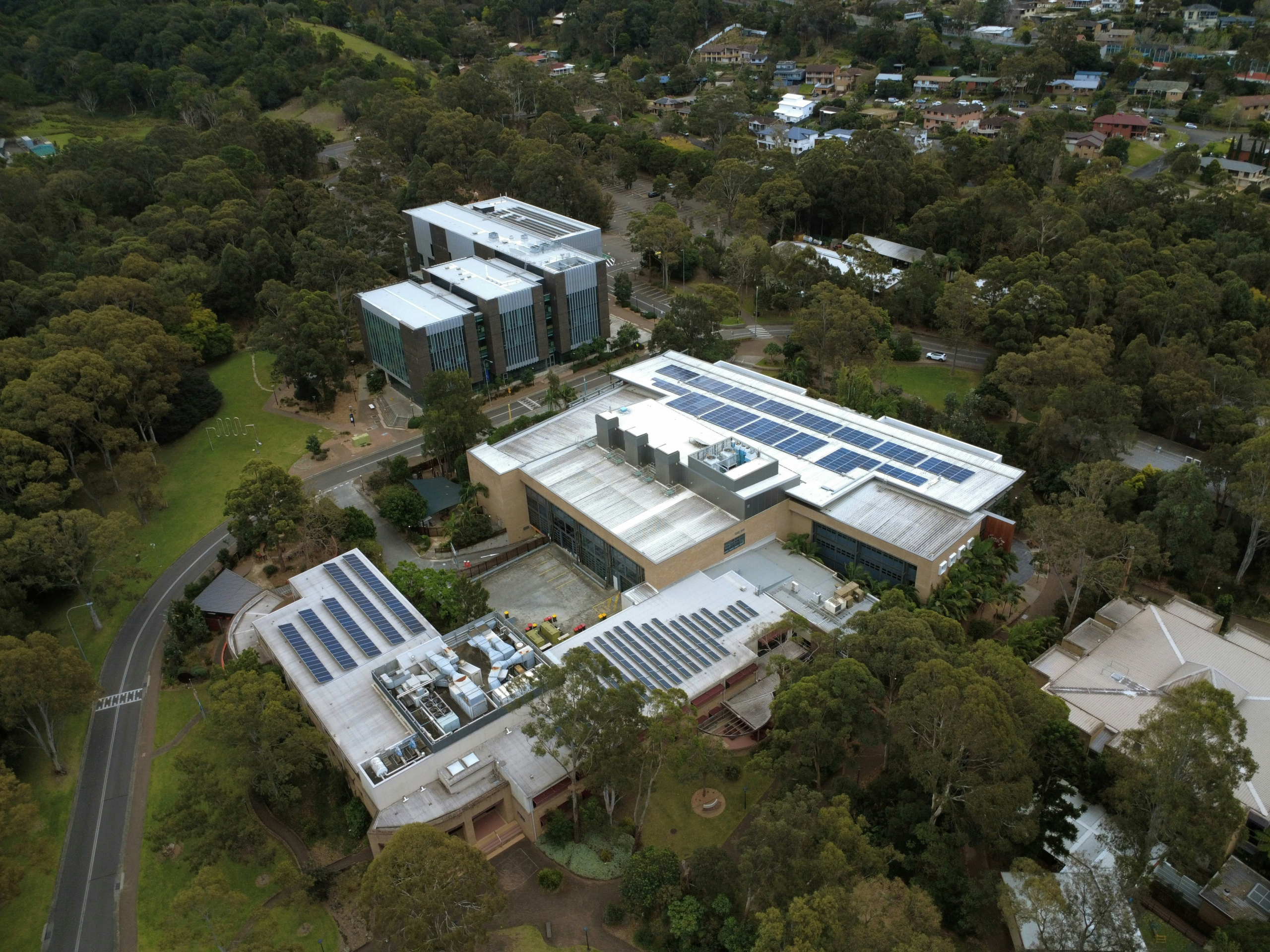
Four years ago, Minnesota had roughly 190 schools running at least part of their day on solar power. By the end of 2026, that number hits 400, under Minnesota’s Solar for Schools program, according to the state’s Department of Commerce. The milestone comes with a figure that matters more to most families than megawatts: the state expects participating schools to save about $46 million on electricity over the next 20 years.
That number isn’t a guess pulled from thin air. It comes from Minnesota’s Solar for Schools program, a state grant effort now in its fifth year, and it’s been reported independently by two Minnesota TV newsrooms this week, Fox 9 and Northern News Now, both citing the Department of Commerce. Here’s what’s actually behind the number, and what it means if you have a kid in a Minnesota public school.
How the Solar for Schools Program Grew to 400 Schools
The Minnesota Legislature created Solar for Schools in 2021, and the Department of Commerce’s Division of Energy Resources opened the grant program in January 2022. It pays for rooftop and ground-mounted solar at public K-12 schools, covering a share of project costs based on a district’s financial need.
Four years in, the program has handed out roughly 200 grants worth close to $32.6 million combined, per Fox 9 and Northern News Now. The solar projects it has funded add up to nearly 25 megawatts of capacity and are projected to generate more than 29 million kilowatt-hours of electricity a year, enough to power about 3,100 average Minnesota homes, according to the Department of Commerce figures both outlets cited. That pushes Minnesota to 7th nationally for the number of schools running on solar, Northern News Now reported.
Minnesota isn’t alone in this. The Solar Energy Industries Association recently highlighted districts in Illinois, Massachusetts, Connecticut and elsewhere installing solar for similar reasons, and cited a Generation 180 estimate that more than 7 million K-12 students nationwide, about 1 in 7, now attend a school powered at least partly by the sun. Minnesota’s program is one state-level piece of that bigger shift, and it isn’t the only Minnesota program doing this: the Owatonna Community Solar Garden passes similar savings directly to homeowners and renters instead of school budgets.
What It Actually Saves a District
Here’s where the numbers stop being abstract. A few of what Commerce and the two newsrooms reported:
- Statewide estimate: about $46 million in electricity savings for participating schools over 20 years.
- One real district: School District 622, covering North St. Paul, Maplewood and Oakdale, received nearly $675,000 toward its solar project.
- What that district is seeing: its solar array saves roughly $22,000 a year, which adds up to an estimated $900,000 over the system’s working life.
“The solar array saves us $22,000 annually, accumulating to an estimated $900,000 over the system’s lifetime,” said Christine Osorio, superintendent of School District 622.
That’s money that doesn’t have to come out of a levy, a program cut, or a classroom budget. It’s also a smaller echo of what other states are finding. SEIA’s rundown pointed to a Pennsylvania study estimating schools statewide could save up to $342 million by adding rooftop solar, and to McHenry High School in Illinois, which expects its new panels to cut energy costs by 30%.
Electric Buses Are Riding Along Too
Minnesota paired the solar grants with a separate Electric School Bus Grant Program, running since 2023. It has awarded nearly $8.8 million to 10 school districts, funding 23 electric buses now on the road along with the chargers and infrastructure to run them. District 622 again shows up with real numbers: more than $1.2 million for three electric buses and three charging stations, on top of its solar grant.
Julia Dreier, the department’s temporary commissioner, framed the two programs as two sides of the same lesson. “When we invest in Minnesota schools, we’re investing in more than classrooms and textbooks,” she told Fox 9. A diesel bus idling at pickup is a familiar source of exhaust right where kids are standing. Swapping even a handful of those buses for electric ones, in the districts that have managed to land a grant, is a small but real change to that picture, even though it’s reaching only 10 of Minnesota’s school districts so far.
The Catch
- Neither Fox 9 nor Northern News Now reported emissions figures for the new solar capacity or the electric buses, so there’s no verified tally of carbon avoided.
- The Department of Commerce’s own public program page, last describing “153 schools and counting” and “more than 150” grants, hasn’t caught up to this month’s reported totals of 400 schools and 200 grants. That’s a sign the agency’s website is stale, not necessarily that the new figures are wrong, but it’s worth flagging.
- Only 10 of Minnesota’s school districts have electric buses through this program. Most of the state’s districts, and most Minnesota schoolkids, aren’t riding one yet.
- The $46 million and $900,000 figures are projections over 20 years or a system’s lifetime, not audited utility bills.
- Both current funding rounds have already closed for readiness assessments. Full applications for the next round are due January 11, 2027, so the program’s growth depends on money the 2027 Legislature still has to approve.
Why It Matters to You
If you have a kid in a Minnesota public school, this program is mostly invisible, until you look at what it frees up in the budget. Every dollar a district isn’t sending to its utility is a dollar that can go toward a teacher’s salary, a counselor, or classroom equipment instead, the same logic Illinois and Pennsylvania districts are leaning on in SEIA’s reporting. Families in the 10 districts with new electric buses also get a quieter, lower-exhaust ride to school, though that part of the program has reached only a small slice of the state. None of this is a program you sign up for directly. It runs through your local school board, so whether your own district has it, or has applied for it, is worth asking about at the next board meeting.
The next full grant application window closes January 11, 2027. If your district hasn’t applied, that’s a conversation worth having before the deadline, not after.
Sources
- Fox 9: Minnesota nearing 400 solar-powered schools, 23 electric school buses purchased (Oct. 24, 2026)
- Northern News Now: Minnesota to reach milestone of 400 solar-powered schools by end of year (Oct. 22, 2026)
- Minnesota Department of Commerce: Solar for Schools program page (accessed Oct. 25, 2026)
- SEIA: Solar and Storage Are Saving Schools Millions (accessed Oct. 25, 2026)