
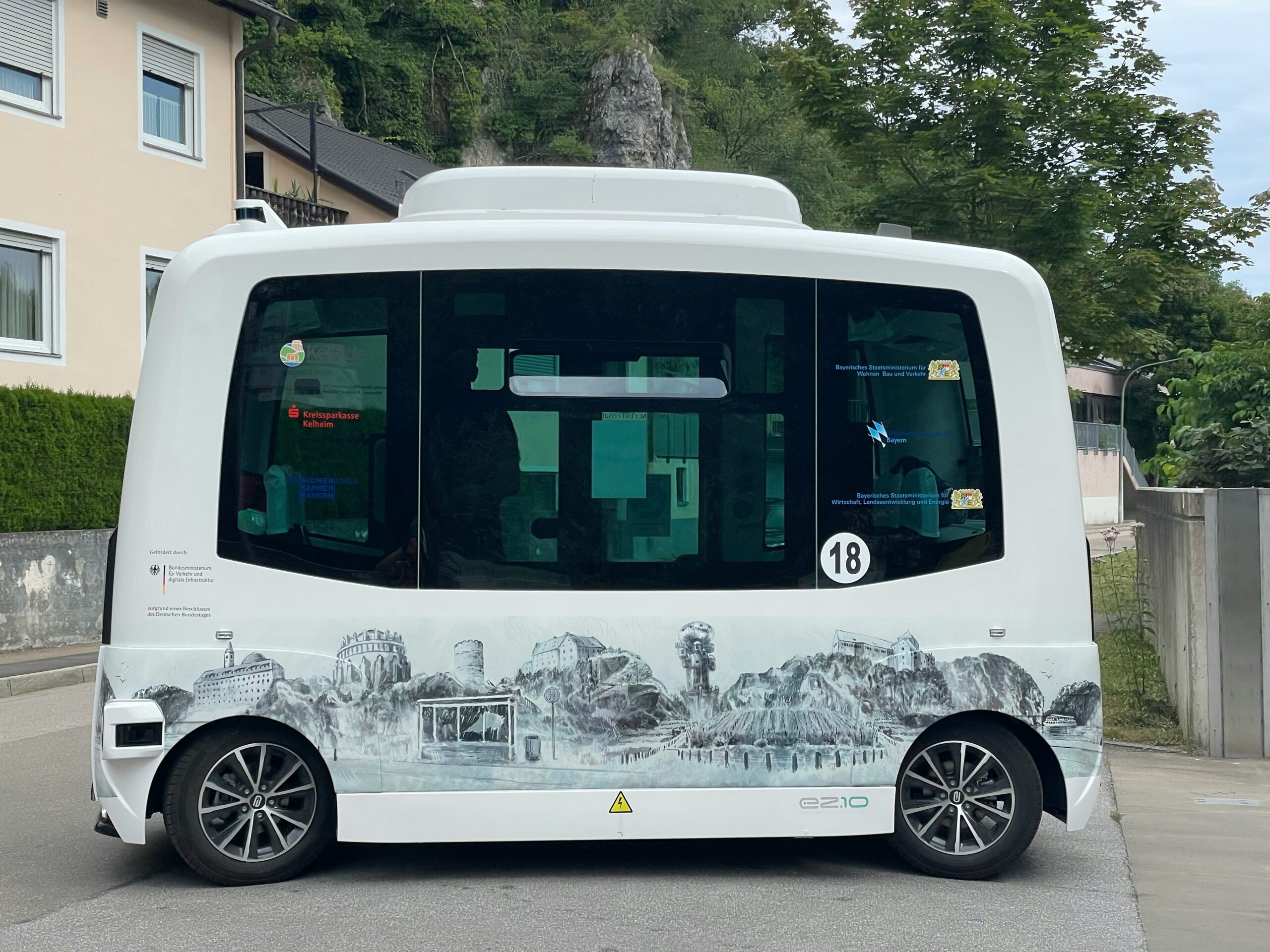
- May Mobility and NTT Mobility announced on Sept. 4, 2026 that Toyota e-Palette vehicles will run on public roads in Japan.
- The goal is Level 4 certification. It hasn’t been reported as granted.
- Multi-site deployments begin in fiscal year 2026, which ends in March 2027.
- Rural expansion, aimed at areas losing bus routes, is slated for fiscal year 2027.
What was announced
May Mobility and NTT Mobility say they will run Toyota e-Palette vehicles on public roads in Japan using May Mobility’s autonomous driving system. Automotive World calls it the first autonomous public e-Palette operation in Japan. The companies are working toward Level 4 certification, the category for driving without a human required to take over in defined conditions.
The e-Palette is a battery-electric Toyota vehicle that seats up to seven passengers and can carry wheelchair users. Deployments at multiple sites begin in Japan’s fiscal year 2026. In fiscal year 2027, models expand to regions facing bus route closures and driver shortages. The coverage doesn’t name the cities.
| Milestone | Timing | Source |
|---|---|---|
| e-Palette pilot at Toyota Kyushu factory | Late 2024 | May Mobility |
| NTT Mobility Operation Assist launches | July 2026 | Automotive World |
| Public-road e-Palette announcement | Sept. 4, 2026 | Automotive World |
| Multi-site deployments begin | Fiscal year 2026 | Automotive World |
| Expansion to areas with route closures | Fiscal year 2027 | Automotive World |
The technology and the track record
NTT Mobility launched a platform called Operation Assist in July 2026. It combines remote monitoring and communication infrastructure to support driverless operations. May Mobility says its own system updates its model of the road every 200 milliseconds and mixes learned and rules-based decision making.
None of this starts from zero. The company says it has deployed in nine Japanese cities since 2024, and that an e-Palette pilot began at Toyota Motor Kyushu’s Miyata factory in Fukuoka in late 2024. Its February 2026 write-up says it is progressing toward Level 4 certification, which is a different thing from holding it.
Why It Matters to You
If you live in a part of Japan losing bus routes or drivers, this is the kind of service meant for you, and it’s the part scheduled for fiscal year 2027, so it isn’t running yet. Riders who use wheelchairs would be able to board, since the e-Palette is described as accommodating them. For now the first deployments are at a handful of unnamed sites, so most readers won’t be able to ride one this year.
What’s still unclear
- Level 4 certification is a target, not a status. We found no report that the e-Palette service has received it.
- The coverage doesn’t say whether a safety operator or remote operator will ride along at each site.
- Automotive World attributes the project to Japan’s driver shortage but gives no figures on route closures or ridership, so the size of the problem can’t be judged here.
- The 200 millisecond figure and the decision approach are company descriptions of its own system, not independent test results.
Quick answers
Is the e-Palette shuttle already carrying riders without a driver?
The announcement says deployments begin in fiscal year 2026 with a Level 4 target. It doesn’t say any site is running without a human aboard.
Can wheelchair users ride?
Automotive World says the e-Palette accommodates wheelchair users.
What does Operation Assist do?
NTT Mobility describes it as remote monitoring and communication infrastructure that supports driverless operations. Details of how operators intervene weren’t given.
Sources
- Automotive World: May Mobility to launch first public autonomous e-Palette (Sep 4, 2026)
- May Mobility: May Mobility’s expanding autonomous footprint in Japan (Feb 24, 2026)