
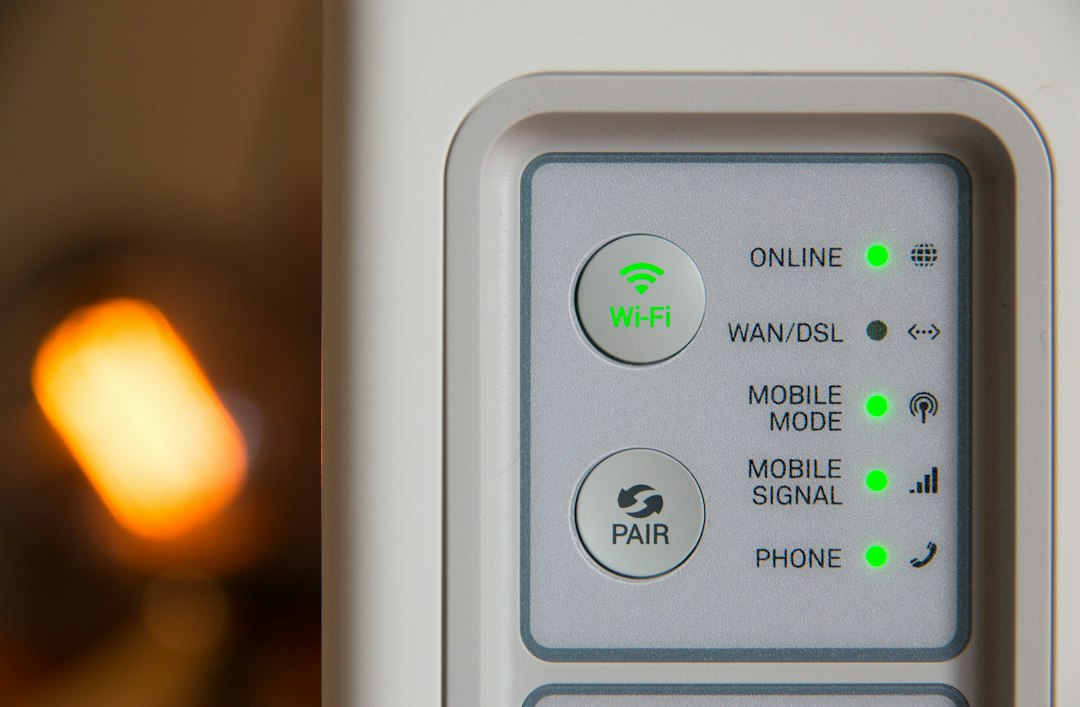
Terrence works the overnight stocking shift at a distribution center outside Rock Hill, South Carolina. His apartment doesn’t have a home internet plan. It’s not that he doesn’t want one. Rent, a car payment, and two growing kids eat up the budget first. So when he needs to fill out a job application or check his daughter’s school portal, he drives to the York County Library, checks out a library Wi-Fi hotspot the size of a phone, and gets online from his car before his shift starts.
How York County’s Library Wi-Fi Hotspots Work
York County Libraries just expanded that program in a big way. Working with Mission Telecom, a nonprofit telecom provider, the system grew its lending fleet from a few dozen devices to more than 200 across its branches. Any library cardholder can check one out. Each hotspot comes in a protective bag with simple instructions. Branches restrict use to schoolwork and job searching, not gaming or streaming, and staff can shut a device off remotely if it doesn’t come back.
One branch alone can lend out roughly 40 hotspots at a time, and they don’t sit on the shelf for long. That tells you something. This isn’t a nice-to-have. For a lot of families in York County, it’s the only reliable way online.
What a Free Hotspot Is Actually Worth
Here’s the part that surprised me, according to WBTV’s report on the program: the receipt printed at checkout tells patrons exactly what they saved. It comes out to about $200 every time someone borrows a hotspot instead of paying for a month of home internet or a phone plan add-on. Multiply that by the roughly 4,000 checkouts the library expects this year, and York County residents could avoid close to $800,000 in internet costs over twelve months. That’s grocery money. That’s car repair money. That’s real money.
Who actually uses these? Based on what the library and Mission Telecom describe, it’s a wide mix of neighbors, including:
- Parents finishing homework help after a school laptop’s own hotspot runs out of data
- Small business owners filling online orders from a shop or job site with no broadband line
- Adults studying for a GED or taking community college classes at night
- Older adults keeping up video calls with grandchildren who live states away
About 17% of South Carolina residents have no internet access at home, and the problem isn’t unique to this state. Mission Telecom’s interim executive director, Mark Colwell, put the national picture in blunt terms.
About 2 out of 5 low-income households don’t have a home internet subscription.
A Cheap Fix Compared to the Alternative
Running new fiber or cable lines to every underserved neighborhood costs millions of dollars and takes years to finish. A hotspot lending program costs a fraction of that and starts helping people the same week it launches. York County isn’t alone in figuring this out. Oklahoma’s library system built its own broadband portals to reach rural homes, and New Mexico’s public Wi-Fi push already covers 17 counties. The pattern is getting hard to ignore.
The Urban Libraries Council has tracked similar lending programs nationwide and found roughly the same result everywhere. Give people a library card and a hotspot, and a surprising number of digital divide problems just disappear.
If you’re paying extra for a backup hotspot on your phone bill just in case, call your local library first. It might already have one waiting for you, free, with a $200 receipt to prove it.