
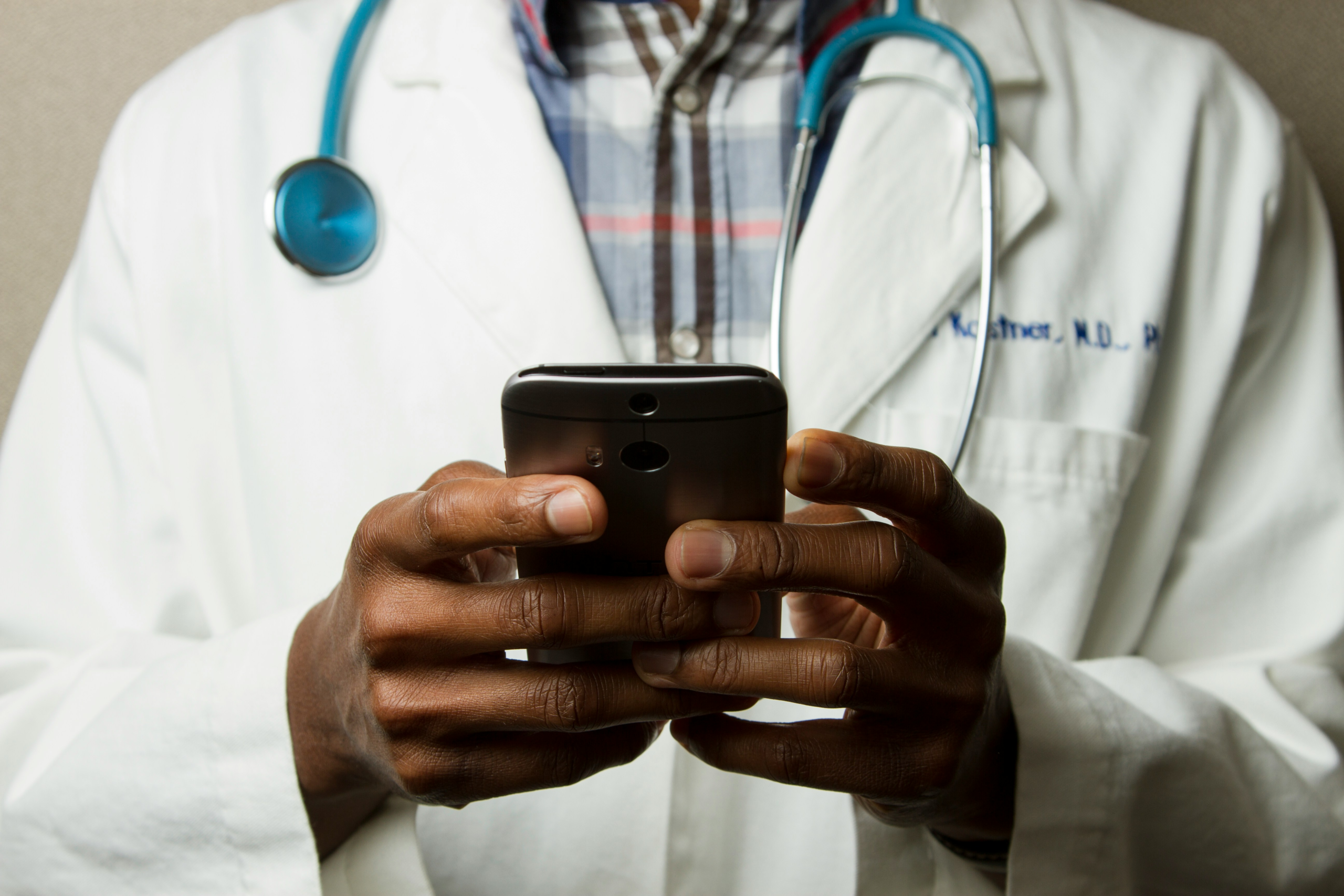
Picture a nurse named Aida, running the only clinic for three villages in rural Uganda. A toddler comes in with a fever that doesn’t match anything in her textbook. The nearest pediatric specialist sits four hours away by bus, a trip that costs more than her family earns in a week. Until this week, Aida had only her own training and a stack of outdated pamphlets to go on.
That gap just got smaller. On September 22, Anthropic and OpenEvidence launched a free AI medical tool for clinicians in roughly 100 low and middle income countries, including Uganda, Angola, Sudan, Haiti, and Mongolia (full details in TheNextWeb’s coverage). A doctor or nurse types in a question about a real patient. The tool answers in seconds, pulling from peer-reviewed research and treatment guidelines, right on an ordinary smartphone.
A Free AI Medical Tool Reaches the Doctors Who Need It Most
OpenEvidence isn’t new. Doctors in the U.S. and Europe already use it free, asking it 42 million questions in August alone. Anthropic’s AI models power the search behind the scenes. The new international version adjusts to local disease patterns and the medicines clinics actually stock.
“Smartphones can provide clinicians with access to medical information that was previously concentrated in leading institutions.”
That quote matters more once you see the numbers behind it. Researchers at Our World in Data found that wealthy countries have roughly ten times as many doctors per person as poor ones. A single nurse in Haiti or Angola often has no one to call for a second opinion. This tool gives her one, instantly, for free.
Why This Saves Real Time, Money, and Sometimes a Life
Think about what a missed diagnosis costs a family with no safety net. A wrong guess means another bus fare, another lost day of wages, maybe a second trip to a farther hospital. That kind of trip isn’t a minor inconvenience. It can mean choosing between rent and getting your child seen by someone qualified. A fast, sourced answer on the spot stops that chain of cost and delay before it starts.
Anthropic president Daniela Amodei was refreshingly honest about why this took philanthropy, not market forces. Reaching these communities, she said, simply wasn’t going to happen “without some philanthropic effort.” That’s a rare admission from a company that sells AI access for a living.
Your Own Doctor May Already Be Using This
Here’s the part that hits closer to home if you live in the U.S. If you saw a doctor for anything complicated this year, there’s a real chance they already leaned on OpenEvidence to double check a drug interaction or a rare symptom. The company expects several hundred million Americans to be treated in 2026 by a doctor who used its platform. This isn’t a lab experiment. It’s becoming how medicine gets practiced, from a clinic in Rwanda to an urgent care center in Ohio.
This fits a pattern we keep seeing: AI closing gaps that used to require money, time, or luck. We’ve covered how New Jersey’s doula assistant turned a 38 page benefits form into a 20 minute conversation, and how Apple Health’s perimenopause tracking started naming symptoms doctors miss. This expansion belongs on that list, at a much bigger scale.
Watch Rwanda and Botswana next. OpenEvidence already piloted the tool there with 45 local doctors and nurses. If outcomes improve, the real question becomes speed: how fast the other 95 countries get full access. It’s also worth asking whether other AI companies follow Anthropic’s lead instead of waiting on a profit motive that may never show up.