
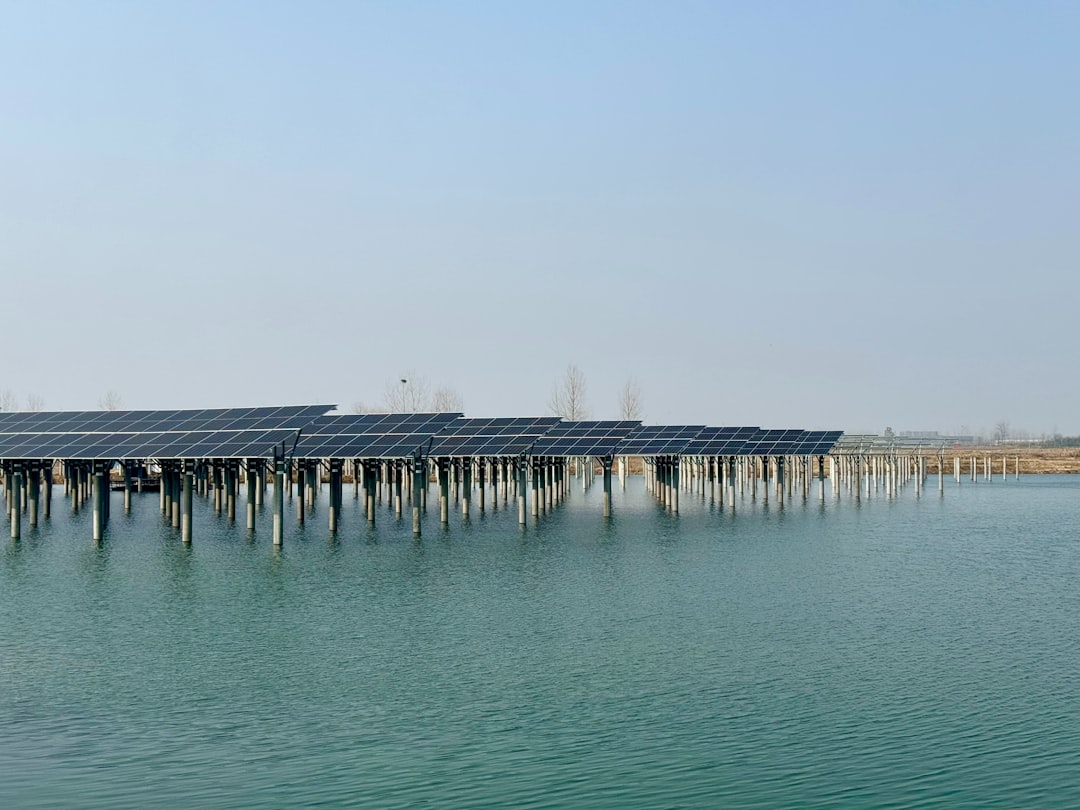
Lima, Ohio just proved a city doesn’t need open farmland to go solar. Workers flipped the switch on a new floating solar reservoir array on August 12. It’s already saving real money for the 35,000 people who turn on their tap every day. The panels float on Twin Lake Reservoir, the same water body that supplies the city’s drinking water.
Here’s why that location matters. Lima’s water treatment plant processes about 14 million gallons a day. It eats more electricity than any other building the city runs. Instead of buying a new plot of land for solar panels, Lima used space it already owned. The panels now sit on the very water the plant treats every day.
How the Floating Solar Reservoir Cuts Water Bills
The 2-megawatt array carries more than 3,100 bifacial panels. Officials project it will save the water utility roughly $200,000 in its first year alone. Add it up over 15 to 20 years, and city officials expect total savings near $10 million. Lima utilities director Michael Caprella put it simply: the project lets the city put “an asset we already have” to work.
Lower operating costs at a water plant don’t just sit in a spreadsheet. They ease pressure on the rates families pay for water. Denise, who has lived in Lima for thirty years and budgets carefully for her monthly water bill, has watched utility costs climb for years with no end in sight; a project like this is the first sign in a while that her bill might hold steady instead of creeping up again. They also free up city budget for other needs instead of rising electric bills. That’s money staying in a mid-sized Rust Belt city instead of flowing out to a utility company.
Cleaner Air and Ten Acres of Saved Land
Building the same 2 megawatts of solar on dry ground would have required nearly 10 acres. Floating the panels on the reservoir needed just 4. That’s 6 acres that can stay as farmland, park space, or simply undeveloped ground near Lima instead of getting paved over for energy infrastructure.
The array also offsets an estimated 1,076 tons of carbon dioxide every year. That’s roughly the same as taking 230 gas-powered cars off the road. For a city working to modernize aging infrastructure, that’s cleaner air for residents without new land disputes or zoning fights.
A Model Other Towns Can Copy
Lima isn’t alone. Monroeville, Ohio has its own 6-megawatt floating array on track to come online before the end of 2026. Other Midwest utilities are watching both projects closely. Cities everywhere are hunting for ways to trim energy costs without raising taxes or eating up land, from community battery storage that cuts power bills for renters to utility-scale storage that keeps the grid steady during heat waves.
What makes Lima’s approach worth watching is how boring it sounds in the best way: no new land purchase, no rate hike, no controversy, just a reservoir the city already owned put to better use. Small and mid-sized cities across the country are short on vacant land and long on water infrastructure, which means Lima’s blueprint could show up in a lot more places over the next few years.