
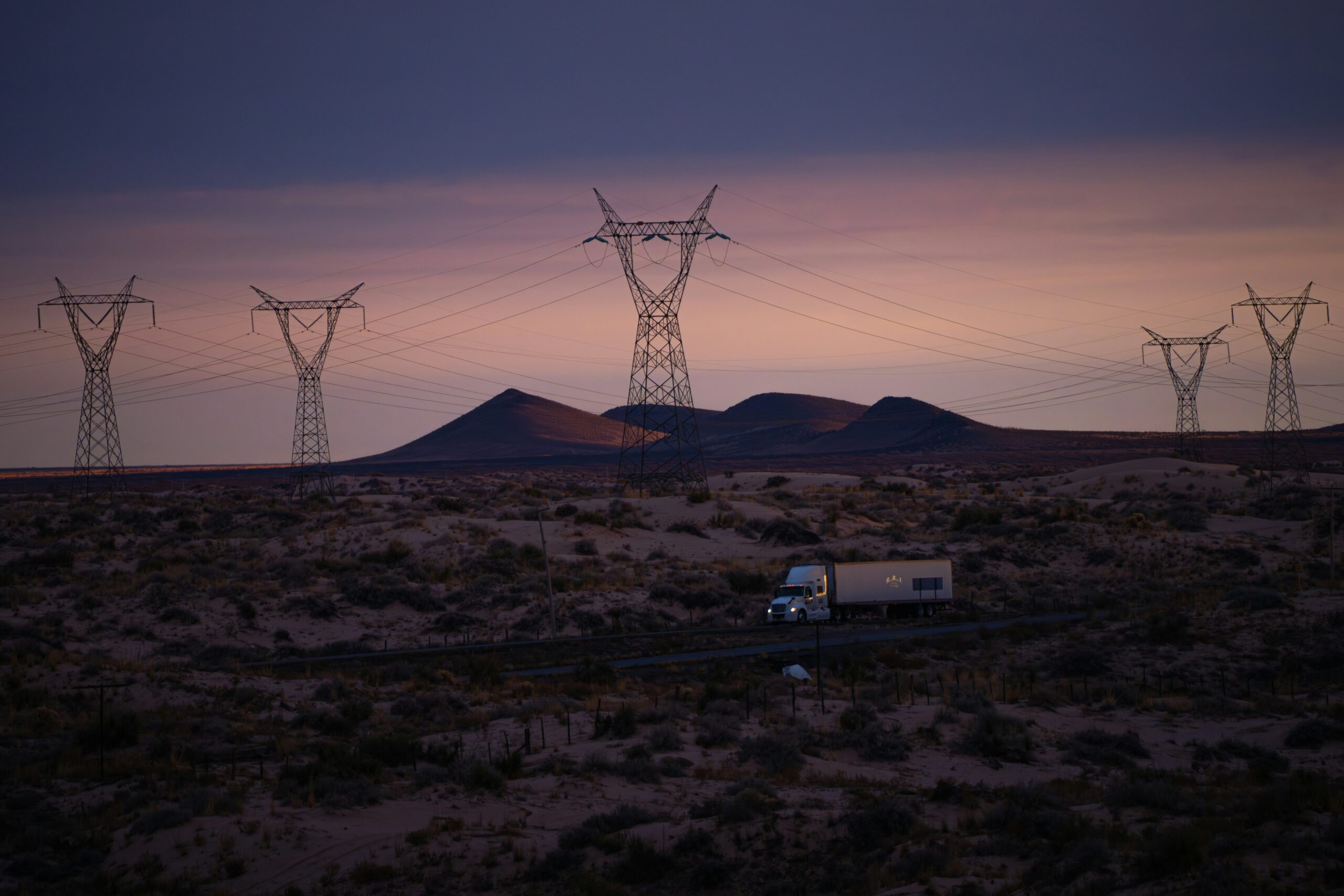
Fervo Energy’s Cape Station in Beaver County, Utah, has started delivering geothermal power. The company synchronized its first unit to the grid on September 24, 2026, and declared commercial operation on September 30, according to its October 1 release. Fervo calls it the first utility-scale enhanced geothermal development to reach first power. That is the company’s own description.
Getting heat out of dry rock
Traditional geothermal plants need hot water close to the surface, and only some places have it. Enhanced geothermal systems (EGS) go after hot, dry rock elsewhere. Fervo borrows horizontal drilling techniques from the oil and gas industry. Crews drill wells deep into the rock, connect them through fractures, and circulate water through the system to carry heat to the surface and spin a turbine.
One unit running, two close behind, a big phase later
What’s actually operating is GeoBlock 1, which Fervo puts at 33 MW net, in commercial operation since September 30, 2026. GeoBlocks 2 and 3, about 66 MW together, are being commissioned with a contractual date of January 1, 2027. Phase II, at 400 MW, is under construction and expected in 2028. The unit and phase figures come from Fervo’s release and Power Engineering.
Fervo says the first unit took 23 months to build and commission, and that it is confident in an 18-month timeline for later units.
The buyers matter as much as the megawatts. Power Engineering reports Google with a 396 MW agreement announced in September 2026 and an option to expand by about 600 MW, Southern California Edison, Clean Power Alliance with an 18 MW addition to an existing agreement, and Shell Energy North America. Fervo says about 900 MW is fully contracted, which it says is enough to power the equivalent of nearly 1 million U.S. homes annually. It doesn’t explain how it converted megawatts to homes, so treat that as a rough company figure. The article gives no megawatt figures for Southern California Edison or Shell.
Why It Matters to You
For most readers the benefit is indirect and still early. Geothermal heat doesn’t depend on sun or wind, which is why buyers value it, and a working plant shows the approach can deliver power outside the few places with shallow hot water. But the power is sold under contracts between Fervo and its buyers, including Google and several utilities. The sources show no evidence that this plant changes retail rates for any utility customer, so nobody should expect a lower bill from it today. If more units follow on the schedule Fervo describes, customers of the utilities that signed contracts would be the first to see this power in their mix.
What the numbers don’t prove yet
Start with the gap between 33 MW operating and 900 MW contracted. The contracted figure includes capacity that hasn’t been built, and only the first unit is in commercial operation. The homes figure is a generic conversion of that contracted capacity, and utilities use different assumptions, so figures vary.
Costs are the bigger open question. Fervo’s drilling numbers are company-reported and dated: in February 2024, it said the cost per well across its first four horizontal Cape wells fell from $9.4 million to $4.8 million, and that its fastest well took 21 days, down 70% from 71 days on its first Nevada horizontal well in 2022. Those were early results from a few wells. The $45 per megawatt-hour figure sometimes quoted is a U.S. Department of Energy goal, not a Fervo result. Heatmap reported in 2024 that CEO Tim Latimer said Fervo is on track for economic projects at that level but did not disclose current costs, and that Fervo would need about $100 per megawatt-hour to be competitive. No current cost figure has been published, and prices in the buyer contracts weren’t disclosed in the sources opened. Google’s data center plans also aren’t final: Power Engineering notes they remain subject to several factors.
Quick answers
Is Cape Station running now?
Yes, one unit. Fervo says GeoBlock 1 produced 33 MW of net power and entered commercial operation on September 30, 2026. Two more 33 MW units are expected by January 1, 2027, then a 400 MW phase in 2028, per Fervo.
Does geothermal run around the clock?
Geothermal heat doesn’t depend on sun or wind, which is why buyers value it. There’s no independent operating data for Cape Station yet, since it only just started.
Who is Fervo’s largest buyer?
Google, with a 396 MW agreement, according to Power Engineering.
Sources
- Power Engineering: Fervo Energy achieves first power at flagship Utah geothermal project (Sep 24, 2026)
- Fervo Energy press release via GlobeNewswire: Cape Station commercial operation (Oct 1, 2026)
- Heatmap: Fervo Energy and Tim Latimer on drilling costs (Feb 14, 2024)
- ThinkGeoEnergy: Fervo reports improved drilling times at Cape Station geothermal project, Utah (Feb 12, 2024)