
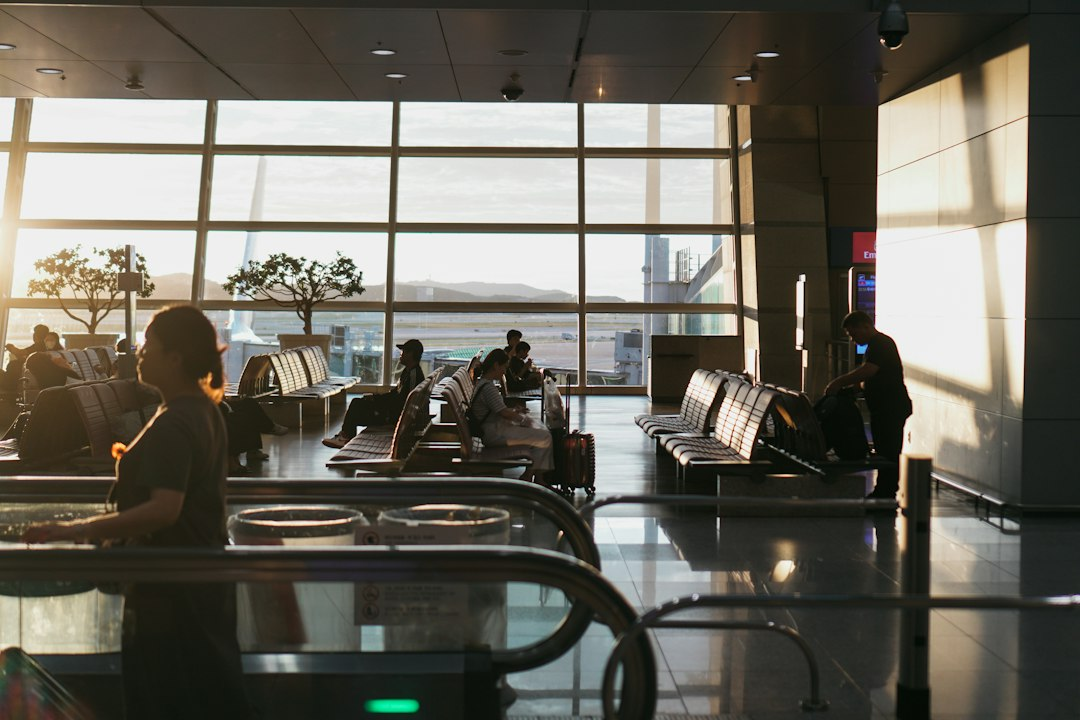
Marcus works night shifts in a Cleveland ICU. He gets one weekend a month to fly home to Atlanta and see his mother. Last spring, a single ground stop in Charlotte turned his 90-minute layover into an eight-hour slog, and he missed her birthday dinner by four hours. A new AI flight delay tool the federal government just switched on is built to catch that kind of trouble before it ever grounds anyone.
Stories like his play out thousands of times a day, once for every flight crossing US skies. It joins a wave of travel-focused AI this year, alongside apps that already plan your whole trip before you pack a bag. This one tries to keep that itinerary intact once you reach the airport.
How This AI Flight Delay Tool Actually Works
The FAA calls it SMART, short for Strategic Management of Airspace, Routes and Trajectories. It went live September 21 over Washington, D.C., watching Reagan National, Dulles, and Baltimore-Washington airports first. Instead of reacting once a storm or staffing gap backs up the system, SMART pulls together roughly 200 live data streams and looks for trouble days ahead of time, including:
- Weather systems moving toward busy flight corridors
- Real-time flight paths and traffic volume
- Controller staffing levels at individual facilities
- Historical patterns for how delays cascade across the network
Transportation Secretary Sean Duffy explained the goal in the official FAA announcement. The agency wants to catch problems before they snowball into the delays travelers actually feel.
What This Means for Your Wallet and Your Weekend
Here is the part that matters if you are stuck at gate B12. When controllers spot a bottleneck a day, or even a week, out, they can reroute traffic and warn airlines before your connection gets scrapped, not after. United Airlines CEO Scott Kirby did not hold back.
“It will do more to reduce delays and cancellations than anything that’s happened in decades.” (Scott Kirby, United Airlines CEO)
The FAA also argues that fewer disruptions mean lower costs for airlines, and that savings could eventually reach ticket prices. That part is harder to bank on. When you are already paying several hundred dollars a ticket for a family trip, even a small drop matters, but do not expect it on your next receipt. The program is only 90 days into testing, with no confirmed date for a nationwide rollout.
Not Everyone Is Sold Yet
Aviation experts are holding their applause. John Gradek at McGill University called the technology “not groundbreaking” in comments to Forbes, noting other countries already run similar predictive systems. He is doubtful about the fare-savings pitch, calling that link “a stretch.” Travel analyst Katy Nastro added a blunt reminder: a sudden mechanical issue or a bird strike is something “AI just cannot predict.”
The National Air Traffic Controllers Association says it was not part of designing or testing SMART, and cannot yet say how the tool will affect the people working the radar screens. The FAA insists a person makes every final call. Duffy put it simply: a human will always manage the airspace, with SMART just handing controllers a clearer picture, sooner.
What to Watch Next
If you fly through the D.C. area this fall, you are part of the test group, whether you realize it or not. Watch how Reagan National, Dulles, and BWI hold up during the next big storm. That is your real preview of whether SMART earns its reputation before it reaches your home airport. For anyone who has ever sat on a plane wondering why nobody warned them sooner, this one is worth tracking.